
Hydraulic Cylinder Speed Calculation: How Fast Will It Move?
When it comes to heavy-duty equipment, whether it’s used in construction, agriculture, or industrial operations, one thing is certainhydraulic cylinders are the backbone of many critical systems. They power the movement of machinery and provide the force necessary for lifting, pushing, pulling, and turning. But while we often focus on how strong these cylinders are, another key concern is how fast they can move. Knowing how to calculate the speed of a hydraulic cylinder’s movement is crucial for optimizing performance and preventing unnecessary wear and tear.
In this article, we’ll dive into how you can calculate hydraulic cylinder speed, the factors that influence this speed, and how to make sure you’re choosing high-quality cylinders for your operations. This guide will help you avoid common issues like premature failures, seal leakage, and rod damageall while ensuring you’re getting the most out of your equipment.
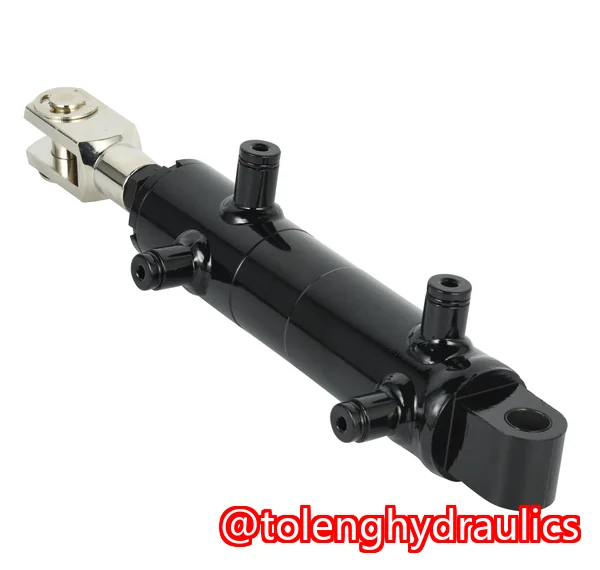
Why Hydraulic Cylinder Speed Matters
Before we get into the nitty-gritty of calculations, it’s important to understand why the speed of a hydraulic cylinder matters. In simple terms, speed determines how quickly a piston moves inside the cylinder, which directly impacts the overall performance of your equipment. If the cylinder moves too quickly, it may result in a jerky motion, putting stress on the seals, rods, and overall system. On the other hand, if it moves too slowly, it can lead to inefficiency and longer operation times.
For example, in construction machinery like excavators, if the arm extends too slowly, it can waste precious time, increasing overall project costs. If it moves too quickly, it could lead to instability or premature wear on the cylinder seals.
Hydraulic Cylinder Speed Formula
The basic formula for calculating the speed of a hydraulic cylinder is straightforward. Here’s what you need to know:
Formula:
Where:
-
Speed is the piston speed (in meters per second or inches per minute).
-
Flow Rate is the volume of fluid entering the cylinder, typically measured in liters per minute (LPM) or gallons per minute (GPM).
-
Cylinder Area refers to the cross-sectional area of the piston, calculated using the bore size of the cylinder.
Step-by-Step Breakdown:
-
Determine the Flow Rate: This is the amount of hydraulic fluid delivered to the cylinder. The flow rate is often specified by the pump manufacturer and should be available in the equipment’s specification sheet.
-
Calculate the Cylinder Area: The area is determined by the formula for the area of a circle, which is:
Make sure to use consistent units (e.g., inches or millimeters).
-
Apply the Formula: Once you have both the flow rate and the cylinder area, simply divide the flow rate by the area. This will give you the speed of the cylinder in terms of how fast the piston moves.
Example:
Let’s assume you have a cylinder with:
-
A flow rate of 20 LPM (liters per minute).
-
A bore size of 50 mm.
-
Cylinder Area:
-
Speed Calculation:
Or about 10.2 mm per second.
Factors That Influence Cylinder Speed
While the formula above gives you a theoretical speed, several real-world factors can influence how quickly your hydraulic cylinder actually moves. These include:
1. Hydraulic Fluid Viscosity
The thicker the fluid, the slower it flows, which in turn reduces the speed of the cylinder. Choosing the correct hydraulic fluid for your temperature and operating conditions is critical for maintaining consistent performance.
2. Seal and Rod Quality
The quality of the seals and rods within the cylinder can impact its movement speed. If seals are worn or damaged, the hydraulic fluid may leak, causing a decrease in speed or loss of power.
3. Cylinder Mounting Style
Depending on the application, you may be using either welded or tie-rod cylinders. Welded cylinders are typically more durable and can handle higher pressures, which might affect how quickly the cylinder moves under load.
4. Pressure Settings
The hydraulic system’s pressure settings also influence cylinder speed. Higher pressures lead to higher force but may decrease speed if the system isn’t properly balanced.
5. Temperature
Hydraulic fluid becomes thinner when heated, and this can increase the cylinder’s speed. However, prolonged high temperatures can also cause wear and tear on seals, leading to premature failure.
Inspecting Hydraulic Cylinder Quality
To ensure that your hydraulic cylinders provide reliable speed and performance, it’s crucial to assess their quality before making a purchase. A poorly manufactured cylinder can lead to costly repairs, downtime, and safety issues.
Here’s how to perform an inspection:
1. Check the Bore Finish
A smooth bore finish ensures that the piston moves freely and doesn’t cause unnecessary friction. Look for signs of roughness or corrosion, which can lead to inefficiency and faster wear of seals.
2. Inspect the Rod Surface
The piston rod should have a smooth, polished surface with an even chrome plating. This helps prevent wear on the seals and extends the life of the cylinder.
3. Examine the Seals
High-quality seals are critical to maintaining hydraulic pressure. Inspect the seals for any visible cracks or wear, and make sure they are suitable for the type of fluid and pressure in your system.
4. Evaluate Welds and Mounts
Poor welding can weaken the structure of the cylinder, potentially causing failures under load. Check the welds at the cylinder ends and ensure the mounts are solid and free from any defects.
5. Confirm the Cylinder Type
Ensure the cylinder you’re selecting is suitable for your application. Whether it’s a tie-rod cylinder for lighter applications or a welded cylinder for heavy-duty work, the type affects not just performance but also the durability of the unit.
Benefits of Proper Inspection
Investing time and effort in inspecting hydraulic cylinders will pay off in the long run. Here are some benefits of choosing high-quality cylinders:
-
Reduced Equipment Downtime: Properly selected cylinders are less likely to fail prematurely, keeping your equipment running without interruption.
-
Lower Maintenance Costs: Identifying potential issues early allows you to address them before they become costly problems.
-
Improved Safety: High-quality cylinders reduce the risk of accidents caused by system failures, ensuring both your machinery and personnel stay safe.
Conclusion: Make the Right Choice for Hydraulic Cylinder Performance
When choosing hydraulic cylinders for your equipment, speed isn’t the only factor to considerbut it is an important one. By following the steps to calculate speed and ensuring that you’re selecting high-quality cylinders with the right materials, seals, and finishes, you can avoid costly failures and downtime.
I highly recommend following these inspection guidelines to ensure that any hydraulic cylinder purchase delivers long-term reliability and performance. Whether you’re upgrading existing equipment or sourcing new cylinders, being informed can make all the difference in maintaining efficient, safe, and cost-effective operations.
Browse our selection of high-quality hydraulic cylinders: 🔗 Toleng Hydraulics
FAQ
How can I tell if a hydraulic cylinder has quality seals?
Check for consistent sealing surfaces and ensure that the seals are made from materials suitable for the type of fluid and pressure in your system. Good seals prevent leaks and maintain cylinder pressure.
What rod surface finish is best for long seal life?
A smooth, polished rod with an even chrome plating ensures long-lasting performance by reducing friction and preventing damage to seals.
How do I measure bore size and stroke length correctly?
Use precise calipers to measure the internal diameter of the cylinder for bore size and a ruler or caliper to measure the distance the piston travels for stroke length.
What are the signs of a poorly manufactured cylinder?
Look for rough bore finishes, inconsistent rod surface quality, weak welds, or poorly fitted seals. These defects can lead to inefficiency, leaks, and premature failure.
Which cylinder mounting styles are strongest?
Welded cylinders tend to be stronger and more durable, especially for heavy-duty applications, while tie-rod cylinders are more suited for lighter tasks.
How do I choose between welded and tie-rod cylinders?
Consider the application and load requirements. Welded cylinders are more robust and handle higher pressures, while tie-rod cylinders are easier to repair and maintain.
What chrome plating thickness should I look for on rods?
A thicker chrome plating (usually 20-30 microns) helps to extend the lifespan of the cylinder by preventing corrosion and wear.
Tags/Keywords: hydraulic cylinder quality, cylinder seals, rod finish, bore size, hydraulic cylinder maintenance, cylinder inspection, welded hydraulic cylinder, tie-rod cylinder, hydraulic cylinder buying guide, cylinder failure prevention, hydraulic cylinder materials

