
Understanding Hydraulic Cylinder Buckling Euler’s Formula
When purchasing hydraulic cylinders for heavy machinery, we often face a familiar challenge: how can we be sure we’re investing in a high-quality product that won’t fail prematurely? As someone who has spent years in this field, I’ve witnessed firsthand how premature cylinder failuresdue to issues like rod damage, seal leaks, or poor bore finishcan bring operations to a halt. The question isn’t just about choosing a cylinder; it’s about choosing one that will stand up to the rigors of real-world applications.
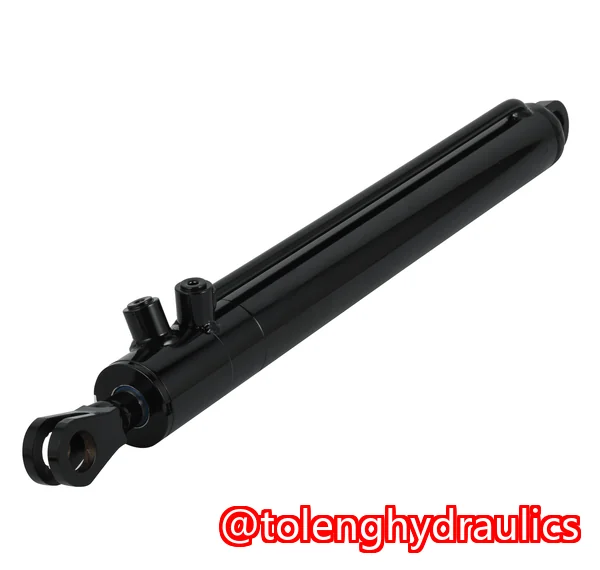
In this article, we’ll focus on an important principle that helps us understand and avoid cylinder failureshydraulic cylinder buckling. Specifically, we’ll explore Euler’s formula, a crucial tool in assessing hydraulic cylinder strength and performance. By the end, you’ll be able to inspect hydraulic cylinders more effectively and ensure you’re selecting the right products for your heavy equipment.
The Problem: Hydraulic Cylinder Failures
Hydraulic cylinders are critical components in industries like construction, agriculture, and manufacturing. They’re responsible for powering heavy machinery and ensuring smooth operation. However, when a cylinder buckles under pressure, the consequences are far-reaching. From equipment downtime to costly repairs, failing to choose a high-quality cylinder can have significant financial and operational impacts.
So, how do you make sure you’re selecting a hydraulic cylinder that won’t buckle under pressure? One way is to understand the factors that contribute to cylinder failure, and Euler’s formula offers an essential insight into how forces and design parameters affect a cylinder’s structural integrity.
Understanding Hydraulic Cylinder Buckling: Euler’s Formula
Buckling in hydraulic cylinders occurs when a compressive load causes the cylinder to bend or collapse. This is particularly relevant for cylinders used in applications where axial forces or lateral loads are high. Euler’s buckling formula is a fundamental principle that helps engineers assess the critical load a cylinder can handle before it buckles.
Euler’s buckling formula is given by:
Where:
-
is the critical buckling load.
-
is the modulus of elasticity of the material (a measure of stiffness).
-
is the moment of inertia of the cylinder’s cross-section.
-
is the length of the cylinder.
Let’s break it down:
-
Modulus of Elasticity (E): This is a material property that defines how stiff the material is. The higher the , the less likely the cylinder is to buckle.
-
Moment of Inertia (I): This measures the resistance of the cylinder’s cross-section to bending. For hydraulic cylinders, a thicker, more robust rod or barrel will have a higher , making it less prone to buckling.
-
Length of the Cylinder (L): A longer cylinder is more susceptible to buckling. This is why larger equipment requires stronger and more carefully engineered cylinders.
In practical terms, Euler’s formula helps engineers understand the load capacity of a hydraulic cylinder. By ensuring that a cylinder has sufficient material strength, wall thickness, and stiffness, they can prevent buckling and ensure smooth, safe operation.
Evaluating Hydraulic Cylinder Quality: The Key Inspection Criteria
Now that we understand how buckling is related to cylinder design, it’s time to turn our attention to how you can apply this knowledge to evaluate hydraulic cylinders during the purchasing process. There are a few key areas that play a role in preventing buckling and ensuring overall cylinder reliability. Let’s take a look at these areas in more detail:
1. Cylinder Tube Material and Internal Bore Finish
One of the most important aspects of cylinder design is the material used in the tube and the finish of the bore. The material directly impacts the cylinder’s ability to withstand compressive and tensile forces. A high-quality cylinder will be made from durable steel, often alloyed for additional strength and resistance to corrosion.
Why is this important?
A poor-quality bore finish can lead to uneven wear on seals, causing leaks and reducing the cylinder’s lifespan. When evaluating the bore, check for smoothness, consistency, and lack of pitting or scoring. Uneven surfaces increase the risk of premature seal failure, causing costly repairs down the line.
2. Piston Rod Hardness and Chrome Plating Thickness
The piston rod is a critical component that comes in direct contact with the seals and the external environment. A high-quality rod will have the proper hardness and chrome plating thickness to resist wear and corrosion.
Key Tips for Inspection:
-
Rod Hardness: Check for the rod’s surface hardness. A harder surface resists damage and prolongs the life of the seals.
-
Chrome Plating Thickness: Ensure that the chrome plating is uniform and thick enough to withstand harsh environments without flaking or wearing away.
3. Seal Types and Materials
Choosing the right seal is essential for preventing leaks and extending the cylinder’s life. Different applications require different types of seals, and the material used should be compatible with the environment (e.g., exposure to chemicals, temperature extremes, etc.).
How to Inspect:
-
Look for seals made from durable, high-quality materials such as nitrile rubber, polyurethane, or Viton.
-
Check for visible wear or damage, which could indicate poor-quality seals or improper installation.
4. Weld Quality on Cylinder Ends and Mounts
Welding is often used to join the various parts of a hydraulic cylinder, and the quality of these welds can make or break the cylinder’s performance. Poor welds can result in weak spots that fail under pressure, leading to catastrophic damage.
Inspection Tips:
-
Inspect welds for uniformity, smoothness, and signs of stress or cracking.
-
Ensure the cylinder ends and mounts are securely welded to avoid any mechanical failures.
Practical Tips for Hydraulic Cylinder Inspection
To help you identify high-quality hydraulic cylinders, here’s a quick guide to the inspection process:
-
Measuring Bore Size and Rod Diameter:
-
Use a caliper to measure the internal diameter of the bore and the external diameter of the rod. Ensure that these measurements match the cylinder specifications and that the tolerances are within acceptable limits.
-
-
Identifying Signs of Poor Seal Quality:
-
Look for uneven wear or scoring on the rod, which could indicate that the seals are not performing well.
-
Check for any oil leakage, as this is often a clear sign of a damaged or improperly installed seal.
-
-
Checking for Rod Straightness:
-
Use a straightedge or a dial indicator to verify that the rod is perfectly straight. A bent rod can cause operational issues, including uneven load distribution.
-
-
Inspecting Port Threads and Fitting Quality:
-
Examine the threads for uniformity and damage. Poorly threaded ports can lead to leaks or difficulty fitting hoses and connectors.
-
Why This Matters: The Benefits of Proper Inspection
Investing the time and effort into thoroughly inspecting hydraulic cylinders before purchase offers several benefits:
-
Avoid Costly Equipment Downtime: Detecting quality issues early means fewer repairs and reduced downtime.
-
Extend Cylinder Service Life: Proper inspection ensures you’re choosing cylinders that can handle the demands of your equipment without premature wear or failure.
-
Lower Maintenance Costs: By selecting high-quality cylinders, you’ll reduce the frequency of replacements and repairs, saving money over time.
Conclusion: Select Hydraulic Cylinders with Confidence
In my experience, following these inspection guidelines is key to making informed purchasing decisions and avoiding costly mistakes. When you evaluate hydraulic cylinders using these methods, you can ensure long-term reliability and performance.
I highly recommend following these inspection guidelines to ensure any hydraulic cylinder purchase delivers long-term reliability and performance.
Call to Action:
Browse our selection of high-quality hydraulic cylinders at 🔗 Toleng Hydraulics and download our complete hydraulic cylinder inspection checklist today!
Frequently Asked Questions (FAQs)
-
How can I tell if a hydraulic cylinder has quality seals?
Look for seals made from durable materials and check for visible wear, cracks, or leaks. The presence of oil around the seals is a clear indication that they may be failing.
-
What rod surface finish is best for long seal life?
A smooth, hard chrome finish on the rod minimizes wear on the seals and helps prevent leaks.
-
How do I measure bore size and stroke length correctly?
Use a caliper for the bore and a ruler or tape measure for the stroke length. Ensure that the measurements match the specifications provided by the manufacturer.
-
What are the signs of a poorly manufactured cylinder?
Poor welds, rough or inconsistent surface finishes, and improper seal installation are all signs of a low-quality cylinder.
-
Which cylinder mounting styles are strongest?
Welded cylinders tend to be stronger than tie-rod cylinders because of their solid construction and resistance to stress.
-
How do I choose between welded and tie-rod cylinders?
Choose welded cylinders for more robust, high-stress applications and tie-rod cylinders for lighter-duty, more flexible setups.
-
What chrome plating thickness should I look for on rods?
The plating thickness should typically be between 0.002 inches and 0.004 inches for optimal performance and durability.
Tags/Keywords:
-
hydraulic cylinder quality, cylinder seals, rod finish, bore size, hydraulic cylinder maintenance, cylinder inspection, welded hydraulic cylinder, tie-rod cylinder, hydraulic cylinder buying guide, cylinder failure prevention, hydraulic cylinder materials

