
Hydraulic Cylinders in Construction: Backbone of Heavy Machinery
When purchasing hydraulic cylinders for heavy machinery, I’ve learned that not all cylinders are built to last. Premature seal failure, rod damage, and leaks can bring operations to a halt, causing unnecessary downtime and costly repairs. After seeing these issues firsthand in the construction industry, I realized just how vital it is to understand what makes a hydraulic cylinder truly durable and reliable.
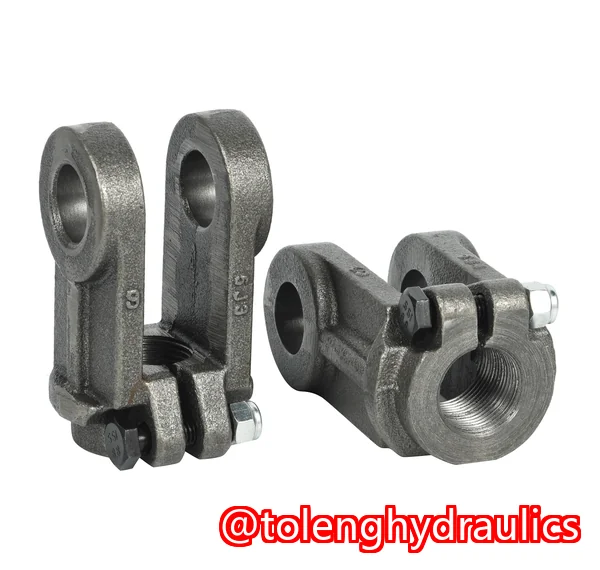
Hydraulic cylinders are crucial components in construction equipment, responsible for transferring energy from the hydraulic system to mechanical motion. They enable machinery such as excavators, loaders, and cranes to perform tasks with precision and power. But how can you ensure that the cylinders you’re purchasing won’t fail prematurely? In this article, I’ll walk you through the key factors to consider when evaluating hydraulic cylinders, and I’ll share some practical tips for inspecting them to make sure you’re getting the quality you deserve.
Common Pain Points When Evaluating Hydraulic Cylinders
As someone who has been involved in equipment maintenance and procurement, I can tell you that sourcing high-quality hydraulic cylinders is often easier said than done. There are a few common pitfalls that many buyers fall into when evaluating these components:
-
Appearance Can Be Deceptive: The external finish of a hydraulic cylinder might look sleek and solid, but looks can be misleading. A shiny surface or a polished exterior doesn’t guarantee the internal quality that’s necessary for durability and long service life.
-
Uncertainty About Seal Quality: The seals in a hydraulic cylinder are crucial to prevent fluid leaks and contamination. However, not all seals are created equal. Choosing the wrong type of seal for your application can lead to premature failures.
-
Rod Surface Finish and Hardness: The rod is the most exposed part of the cylinder, and it faces constant wear and tear. If the rod surface isn’t finished correctly or lacks adequate hardness, you’ll experience issues like scoring, pitting, and leaks.
Let’s dive deeper into these problems and discuss how to identify a high-quality cylinder from the start.
How to Inspect Hydraulic Cylinders for Quality
The first step in avoiding premature failures is to properly inspect the hydraulic cylinders you’re considering. Here’s a step-by-step guide on how to evaluate cylinder quality.
1. Inspecting the Cylinder Tube and Bore Finish
The material and finish of the cylinder tube directly affect the performance and lifespan of the hydraulic cylinder. Poor bore finishes can lead to premature wear and damage to seals. To inspect the bore:
-
Look for Smoothness: Run your finger along the bore’s surface to check for roughness or visible imperfections. A smooth finish helps maintain the proper sealing environment, reducing wear on both the seals and the piston.
-
Check for Pitting or Scratches: Any pits or deep scratches in the bore can cause seals to fail prematurely by allowing hydraulic fluid to bypass.
2. Evaluating the Piston Rod
The piston rod bears the full force of the cylinder’s operation and is exposed to the most wear and tear. When inspecting the rod, focus on:
-
Rod Hardness: A properly hardened rod is essential for preventing damage from constant friction. You can test hardness through methods such as the Rockwell hardness test, but visually, the rod should have a smooth, consistent finish, without any visible dents or bends.
-
Chrome Plating Thickness: For enhanced durability, hydraulic rods are often coated with chrome. A proper chrome coating should be evenly applied, at least 20 microns thick, and free from cracks or corrosion.
-
Surface Finish: Inspect the rod for smoothness and uniformity. Surface defects like cracks, rust, or chips are signs of poor manufacturing or improper maintenance.
3. Checking Seal Quality and Materials
Seals are the critical barrier between the hydraulic fluid and the outside environment. Poor seal materials or installation can lead to leakage and contamination, costing you both time and money. Here’s how to ensure the seals are up to par:
-
Material Selection: Different types of hydraulic seals are designed for different environments and pressures. For instance, nitrile seals are commonly used in low-temperature, low-pressure applications, while Viton seals are more suitable for high-temperature or aggressive environments.
-
Inspection for Damage: Check for any visible cracks, tears, or wear. If the seal is loose, improperly installed, or showing signs of damage, it’s an indicator of poor manufacturing or improper handling.
4. Assessing Weld Quality and Mounting Integrity
The welds on the cylinder ends and mounts play a vital role in maintaining the structural integrity of the entire system. Weak welds can lead to catastrophic failure. Here’s what to look for:
-
Weld Appearance: High-quality welds should have a smooth, uniform finish. Look for any signs of undercutting, gaps, or inconsistencies.
-
Mounting Style: Depending on your application, different mounting styles may be more or less suitable. Welded cylinders typically offer higher strength and reliability, but tie-rod cylinders might be easier to maintain.
5. Verifying Bore Size and Rod Diameter
Properly measuring the bore size and rod diameter is crucial for ensuring the cylinder fits into the system and operates efficiently. You’ll need to use precise tools like calipers to ensure the measurements are accurate.
-
Bore Size: This is the internal diameter of the cylinder, and it directly impacts the amount of fluid and pressure the cylinder can handle. An incorrect bore size can lead to inefficient operation and premature failure.
-
Rod Diameter: A thicker rod will offer more strength and resistance to bending, which is crucial for heavy-duty applications.
Benefits of Proper Cylinder Inspection
By taking the time to inspect hydraulic cylinders thoroughly, you can avoid a number of potential issues:
-
Avoid Equipment Downtime: One of the most significant benefits of proper inspection is minimizing unexpected failures. Quality cylinders perform consistently, reducing the risk of downtime on job sites.
-
Extend Cylinder Service Life: Selecting a cylinder built to last ensures that you’ll get the most out of your investment, as high-quality cylinders tend to have a longer operational lifespan.
-
Reduce Maintenance Costs: By identifying issues before purchase, you can avoid costly repairs and replacements down the line.
Conclusion
Hydraulic cylinders are a critical component in construction machinery, agricultural equipment, and industrial automation. To ensure long-term reliability and optimal performance, it’s essential to follow proper inspection guidelines when sourcing these parts. I highly recommend focusing on the rod finish, seal material, bore size, and weld quality when evaluating any hydraulic cylinder purchase.
By taking the extra time to inspect the cylinders, you can avoid costly downtime, reduce maintenance expenses, and increase the overall lifespan of your equipment. If you’re looking for top-quality hydraulic cylinders for your construction machinery, check out our range of products at Toleng Hydraulics. 🔗 Browse our selection of high-quality hydraulic cylinders here.
Download our complete hydraulic cylinder inspection checklist today to ensure your equipment is always performing at its best!
FAQs
1. How can I tell if a hydraulic cylinder has quality seals?
Look for seals made of high-quality materials like Viton or PTFE, and check for visible cracks, deformation, or wear. Proper installation is also key to preventing leaks.
2. What rod surface finish is best for long seal life?
A smooth, polished surface with a uniform chrome plating thickness is ideal for preventing abrasion and extending seal life.
3. How do I measure bore size and stroke length correctly?
Use precision measuring tools like calipers to measure the internal bore and stroke length of the cylinder. Ensure you follow manufacturer specifications for accurate dimensions.
4. What are the signs of a poorly manufactured cylinder?
Signs include visible weld defects, poor surface finish on the rod, uneven chrome plating, or distorted cylinder bodies.
5. Which cylinder mounting styles are strongest?
Welded cylinders are typically stronger and more durable, while tie-rod cylinders are easier to maintain and replace.
6. How do I choose between welded and tie-rod cylinders?
If strength and durability are critical, go for welded cylinders. Tie-rod cylinders are a better option when ease of maintenance and cost are your primary concerns.
7. What chrome plating thickness should I look for on rods?
A chrome plating thickness of at least 20 microns is recommended for optimum durability and resistance to wear and corrosion.
Tags or Keywords: hydraulic cylinder quality, cylinder seals, rod finish, bore size, hydraulic cylinder maintenance, cylinder inspection, welded hydraulic cylinder, tie-rod cylinder, hydraulic cylinder buying guide, cylinder failure prevention, hydraulic cylinder materials

