
Understanding the Role of the Piston Seal in Hydraulic Cylinders
When you work in industries that rely heavily on hydraulic systemslike construction, agriculture, or industrial automationyou know that the reliability of your equipment is paramount. But here’s a harsh truth that most equipment owners and maintenance teams face: not all hydraulic cylinders are created equal. And unfortunately, poor-quality cylinders can lead to serious problems, including premature seal failure, rod damage, and leaks that halt operations. These issues can result in unexpected downtime, costly repairs, and even safety concerns.
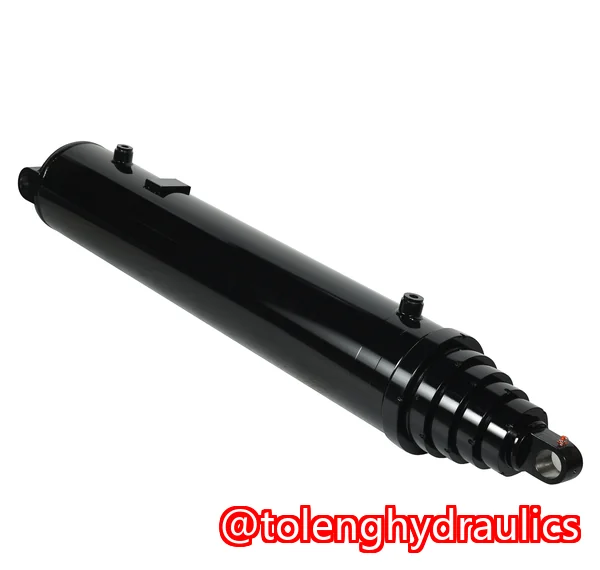
As someone who has worked with hydraulic systems for years, I can tell you firsthand that the piston seal plays a huge role in the longevity and performance of hydraulic cylinders. But how do you know if the cylinder you’re purchasing is built to last, or if it’s a ticking time bomb waiting to fail? In this article, I’ll guide you through how to evaluate the quality of hydraulic cylinders, with a special focus on the often-overlooked piston seal, and give you practical tips for making smarter, more informed purchases.
Common Issues with Hydraulic Cylinders
Before diving into inspection techniques, let’s first take a look at some of the most common issues that occur when evaluating hydraulic cylinders.
1. Appearance vs. Performance
One of the biggest mistakes I see people make is judging a hydraulic cylinder by its appearance. It’s easy to assume that a shiny, well-polished cylinder with no visible defects must be of high quality. However, while appearance is important, it doesn’t tell the full story. Quality goes beyond looks, and understanding the materials and internal construction is crucial.
2. Seal Failure
Seal failure is one of the most common issues in hydraulic cylinders. Seals are designed to prevent fluid leaks, protect the internal components, and ensure smooth operation. But over time, seals can wear out due to improper material choices, excessive pressure, or poor design. Premature seal failure can be catastrophic, leading to leaks, loss of pressure, and even complete system failure.
3. Rod and Bore Damage
Another frequent problem is rod and bore damage, which occurs when the piston rod gets scratched, or the cylinder bore finish is subpar. When the rod is damaged, it can affect the seal, causing leaks and inefficiency. Inadequate surface finishes or improper chrome plating on the rod can lead to early wear, increased friction, and reduced sealing effectiveness.
How to Inspect Hydraulic Cylinder Quality
Now that we’ve highlighted the key pain points, let’s dive into how you can ensure you’re buying high-quality hydraulic cylinders that will serve you well for years to come. These inspection steps will help you evaluate everything from seal quality to rod finishes, and ensure that you’re getting value for your investment.
1. Inspect the Cylinder Tube Material and Bore Finish
The cylinder tube plays a vital role in the durability and functionality of the hydraulic system. You want to ensure that the material used for the tube is robust and resistant to corrosion. Additionally, the internal bore finish is critical for preventing excessive wear and tear on the seals. A smooth, uniform bore finish minimizes friction and ensures the piston seals work effectively.
Tip: Look for cylinders made from high-quality steel with a proper internal bore finish. If you’re unsure, request detailed specifications from the manufacturer, or ask for a sample to inspect the bore finish.
2. Examine the Piston Rod Surface and Chrome Plating
The piston rod is another crucial component that should be inspected carefully. Rod quality is essential for the overall performance of the cylinder and to avoid seal degradation. First, check for any signs of corrosion or scratches on the rod. A good-quality rod will have a smooth, uniform surface with a consistent chrome plating thickness to resist wear and corrosion.
Tip: You can measure the rod’s surface hardness to ensure it’s properly treated. A hard rod is essential for withstanding the high pressures and friction it faces during operation.
3. Evaluate Seal Materials and Types
Piston seals come in a variety of materials, including rubber, polyurethane, and PTFE (Teflon). The choice of material depends on the application, pressure, and temperature the cylinder will be exposed to. For example, a high-pressure agricultural machine may require seals that can handle extreme pressure and fluctuating temperatures, while a construction machine might need seals that resist dirt and abrasive materials.
Tip: For longer service life, choose seals made from materials like polyurethane or nitrile rubber, as these materials offer excellent wear resistance and sealing capability. Be sure to verify the manufacturer’s claims about seal material durability.
4. Verify Weld Quality on Cylinder Ends and Mounts
Weld quality is often overlooked, but it’s essential for ensuring structural integrity and long-term performance. Poor welds can lead to cylinder failure due to stress cracks and leaks. Examine the welds around the cylinder ends and mounting points, looking for smooth, consistent seams with no signs of cracks or incomplete bonding.
Tip: Ask the manufacturer for a weld certification or quality assurance report to confirm that the cylinder meets industry standards.
5. Check for Proper Threading and Fittings
The quality of the port threads and fittings also plays a significant role in ensuring that your hydraulic system remains leak-free. Damaged or poorly threaded ports can lead to fluid leaks, causing pressure loss and reduced performance. Ensure that all ports are threaded correctly and that fittings are robust and free from defects.
Tip: When inspecting the cylinder, test the fittings by hand to ensure they fit snugly without wobbling or resistance. This simple check can help you avoid leaks later.
Why Proper Inspection Matters
Taking the time to inspect hydraulic cylinders thoroughly before purchase has significant benefits. By following the steps above, you can avoid unnecessary downtime and costly repairs due to poor-quality cylinders. Here’s why proper inspection is crucial:
-
Prevents Unexpected Failures: A detailed inspection helps identify potential weak points like poor seals or rod finish, preventing costly breakdowns in the future.
-
Extends Service Life: Properly selected and inspected cylinders will last longer, saving you money on replacements and repairs.
-
Reduces Maintenance Costs: Identifying quality issues upfront reduces the need for costly maintenance later on.
-
Ensures System Efficiency: High-quality cylinders lead to smoother operations and better performance, which improves productivity and reduces energy consumption.
Conclusion: Choose Wisely for Long-Term Performance
After reviewing these inspection steps, I hope you feel more equipped to assess the quality of hydraulic cylinders. Remember, it’s about more than just the cylinder’s outward appearanceit’s about the materials, seals, rod finishes, and welds that ensure long-term performance and reliability. I highly recommend following these inspection guidelines to ensure that any hydraulic cylinder purchase delivers long-term reliability and performance.
If you’re looking for high-quality hydraulic cylinders, I encourage you to browse our selection at 🔗 Toleng Hydraulics. We offer a comprehensive guide and tools to help you evaluate hydraulic cylinder quality and ensure that you make the best choice for your equipment.
Download our complete hydraulic cylinder inspection checklist today to make your next purchase even easier!
FAQs
1. How can I tell if a hydraulic cylinder has quality seals?
Look for seals made from high-grade materials like polyurethane or nitrile rubber. Check for smooth installation and ensure that they fit snugly into the piston housing. Seals should have no signs of cracks, tears, or poor bonding.
2. What rod surface finish is best for long seal life?
A smooth, uniform surface finish with consistent chrome plating ensures long seal life. The rod should be hardened and free of scratches or pitting that could damage the seals.
3. How do I measure bore size and stroke length correctly?
Use precise measuring tools like a micrometer or caliper to measure the internal bore size. For stroke length, measure the distance the piston can travel within the cylinder when fully extended and retracted.
4. What are the signs of a poorly manufactured cylinder?
Look for uneven or inconsistent welds, poor surface finishes on the rod, and uneven chrome plating. Also, check for misaligned ports or threads, which can cause leaks.
5. Which cylinder mounting styles are strongest?
Welded cylinders are generally stronger and more durable than tie-rod cylinders because they provide better structural integrity. However, the right mounting style depends on your specific application.
6. How do I choose between welded and tie-rod cylinders?
Welded cylinders are ideal for high-pressure applications and environments requiring strong, durable construction. Tie-rod cylinders are easier to repair and are typically used in lower-pressure systems.
7. What chrome plating thickness should I look for on rods?
Look for chrome plating with a thickness of at least 0.002 to 0.004 inches. This provides a durable surface that resists corrosion and wear.

