
Pressure Ratings Explained: What Does PSI Mean for Your Cylinder
When you’re working with heavy machinery, whether in construction, agriculture, or industrial automation, the reliability of your hydraulic system is paramount. As someone who has spent time around hydraulic cylinders, I know that premature failures can lead to significant downtime, repair costs, and even safety risks. One critical aspect that often gets overlooked when evaluating a hydraulic cylinder is its pressure rating. Understanding what PSI (pounds per square inch) really means for your cylinder could be the difference between smooth operations and costly repairs.
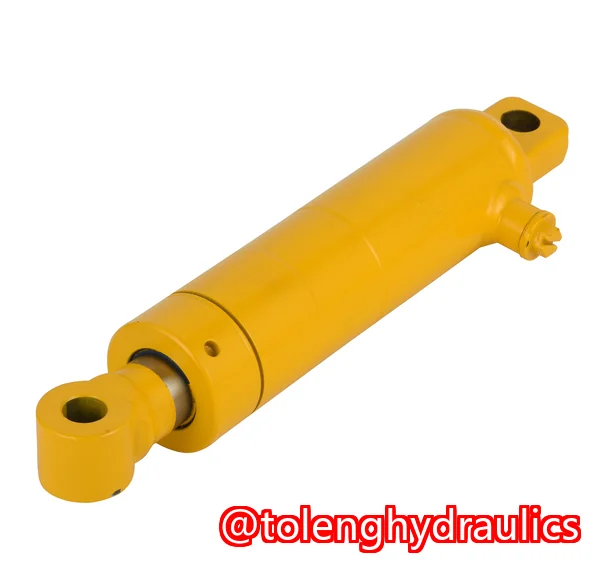
Hydraulic cylinders are designed to operate under high pressure, but not all cylinders are created equal. If you’re not careful when selecting a cylinder, you may end up with one that’s underperforming, potentially failing early due to the wrong PSI for your equipment’s needs. Let’s take a deeper dive into what pressure ratings really mean and how they impact cylinder performance, helping you make an informed purchasing decision for your equipment.
What is PSI and Why is it Important?
Pressure is a fundamental aspect of hydraulic systems. Simply put, PSI is a unit of pressure that measures how much force is applied to a specific area. In hydraulic cylinders, PSI refers to the maximum pressure the cylinder can safely handle. Each cylinder is built to withstand certain pressure levels, which vary depending on its construction, materials, and intended use.
Knowing the PSI rating is vital because it tells you how much pressure your hydraulic cylinder can safely endure. Exceeding the rated PSI can cause the cylinder to fail, often leading to leaks, seal ruptures, or even catastrophic failure in extreme cases.
Common Pain Points When Evaluating Cylinder PSI
-
Understanding Pressure Ratings
Many people assume that all hydraulic cylinders with the same bore size can handle the same pressure. But this isn’t true. Pressure ratings can vary significantly based on materials, manufacturing techniques, and the cylinder’s intended application.
For example, a cylinder designed for a compact excavator may have a different PSI rating compared to one used in agricultural machinery. As a result, selecting the right cylinder for your equipment requires understanding both the maximum pressure the system operates at and the type of cylinder best suited for that pressure.
-
Incorrect Pressure Rating Leads to Seal and Rod Failures
If the pressure rating is too high for the cylinder’s design, it can cause severe damage to seals, rods, and other internal components. I’ve seen this happen firsthand in various equipment. A common issue is the premature wear of seals, which can eventually lead to fluid leakage and system failure.
-
Confusing Bore Size and Stroke Length with Pressure Rating
Many users mistakenly believe that bore size or stroke length directly correlates with PSI. While these factors are essential for cylinder function, they aren’t always indicative of the cylinder’s pressure rating. It’s easy to focus on the cylinder’s dimensions while overlooking the more critical components related to pressure handling, such as material strength and weld integrity.
How to Choose a Hydraulic Cylinder Based on PSI
When you’re sourcing hydraulic cylinders, particularly for demanding applications, here’s what you should focus on to ensure you’re selecting a high-quality unit that meets your pressure needs:
1. Material Matters: Look for High-Strength Materials
The material of the cylinder is a primary factor in determining its PSI rating. Steel is often the material of choice for hydraulic cylinders due to its strength and durability. However, not all steels are created equal. Some are more resistant to corrosion or higher pressures than others. For high-pressure applications, look for cylinders made from alloy steels, which can handle greater stress and have better longevity.
2. Cylinder Design and Construction
The design of the cylinder also plays a significant role in pressure handling. A well-engineered cylinder should have robust end caps, high-quality welds, and precise machining to withstand high pressure. Always check the welds around the cylinder’s ends and mountsweak welds can lead to leaks or even total failure under pressure.
3. Seal Quality
Seals are crucial for maintaining pressure within the cylinder. Hydraulic seals can wear out over time, especially if the pressure rating is too high for the material they’re made from. For high-pressure systems, it’s essential to choose cylinders with high-quality seals. Materials like polyurethane or Viton are commonly used for high-pressure applications and have great resistance to wear and temperature changes.
4. Rod Finish and Chrome Plating
The piston rod of the hydraulic cylinder also needs to be able to withstand high pressure. Pay attention to the rod’s surface finish and chrome plating thickness. A rough rod surface can cause premature seal damage, while a thick, smooth chrome plating helps extend the life of the seals and prevents corrosion.
5. Bore Size and Stroke Length
While not directly related to pressure, bore size and stroke length are still vital for choosing the correct cylinder for your equipment. The bore size should match your system’s requirements, ensuring that the cylinder can handle the required force. The stroke length, or the distance the piston travels, must also suit the application at hand.
How to Inspect Hydraulic Cylinders for Quality
Now that we’ve covered what makes a high-quality hydraulic cylinder, let’s talk about how you can inspect one before purchase. Here are some essential inspection methods you can use to ensure you’re getting a reliable product that will stand the test of time:
-
Check the Tube Material and Bore Finish
Inspect the cylinder tube to ensure it’s made from durable, high-strength steel. Look at the internal bore finishan improperly finished bore can cause excessive wear on seals and premature failure. If the bore is too rough, it may lead to leakages and reduced cylinder life.
-
Examine the Piston Rod for Surface Defects
Inspect the piston rod for any surface defects such as scratches, gouges, or rust. These imperfections can damage seals and cause hydraulic fluid leaks. Additionally, ensure the chrome plating is thick and consistentthin plating will wear off quickly under high pressure.
-
Seal Types and Materials
Verify the types of seals used in the cylinder. For high-pressure systems, seals made from materials like polyurethane or Viton offer superior performance. Make sure that the seals are properly installed without any signs of damage or improper fitting.
-
Weld Quality
Check the welds around the cylinder’s ends and mounts. Poor welds can lead to leaks or even catastrophic failure under high pressure. Look for uniform welds with no signs of cracking or improper bonding.
-
Port Thread Quality and Fittings
Check the threads and fittings for signs of damage or poor machining. The threads should be smooth and free from burrs. Damaged fittings can cause leaks and complicate installation.
Why Proper Inspection Saves You Money
Investing time in inspecting a hydraulic cylinder before purchase can save you from a lot of future headaches. By ensuring you’re selecting cylinders with the right PSI rating, quality seals, strong rods, and proper bore finishes, you can:
-
Avoid costly downtime: Prevent unexpected failures that bring your machinery to a halt.
-
Extend service life: Proper cylinder selection ensures longevity and reduces the frequency of replacements.
-
Lower maintenance costs: Identifying potential issues before purchase helps you avoid frequent repairs.
Conclusion
I highly recommend following these inspection guidelines to ensure any hydraulic cylinder you purchase will deliver long-term reliability and performance. Properly evaluating pressure ratings, materials, and design features is key to making an informed decision. Whether you’re in construction, agriculture, or industrial machinery, ensuring that you have the right hydraulic cylinder for your equipment is crucial for maximizing uptime and minimizing maintenance costs.
Browse our selection of high-quality hydraulic cylinders at 🔗 Toleng Hydraulics and make your next purchase with confidence. To help you further, download our complete hydraulic cylinder inspection checklist today and ensure you’re choosing cylinders that meet your needs.
FAQ
How can I tell if a hydraulic cylinder has quality seals?
Quality seals should be made of durable materials like polyurethane or Viton. Look for any signs of wear, cracks, or poor fitting that could lead to leaks or failures.
What rod surface finish is best for long seal life?
A smooth, high-quality chrome-plated rod is ideal. The chrome should be thick and consistent to reduce friction and protect seals.
How do I measure bore size and stroke length correctly?
To measure bore size, use a micrometer or caliper to determine the internal diameter of the cylinder tube. For stroke length, measure the full extension distance of the piston.
What are the signs of a poorly manufactured cylinder?
Signs include rough welds, uneven chrome plating, defective seals, or poor-quality materials. Always inspect for these red flags before purchasing.
Which cylinder mounting styles are strongest?
Welded mounting styles tend to be stronger and more durable than tie-rod mounting styles, particularly in high-stress applications.
How do I choose between welded and tie-rod cylinders?
Welded cylinders are more robust and suitable for high-pressure, heavy-duty applications. Tie-rod cylinders are easier to repair but may not handle the same pressures.
What chrome plating thickness should I look for on rods?
Look for a chrome plating thickness of at least 0.002 inches for general applications, with thicker plating for higher pressure or demanding environments.
Tags or Keywords
-
hydraulic cylinder quality, cylinder seals, rod finish, bore size, hydraulic cylinder maintenance, cylinder inspection, welded hydraulic cylinder, tie-rod cylinder, hydraulic cylinder buying guide, cylinder failure prevention, hydraulic cylinder materials

