
Single-Acting vs Double-Acting Hydraulic Cylinders Key Differences
When it comes to hydraulic cylinders, choosing the right manufacturer is just as important as choosing the right type of cylinder. I’ve seen countless cases where equipment downtime was caused not by design flaws, but by poor-quality cylinders sourced from unreliable suppliers. Leaks, premature seal failure, and bent or scratched rods are all too common when quality control is compromised. That’s why at Toleng Hydraulics, we prioritize precision, durability, and consistent performance in every cylinder we produce. Our manufacturing philosophy is simple: build it right the first time, and your equipment will thank you with years of reliable service.
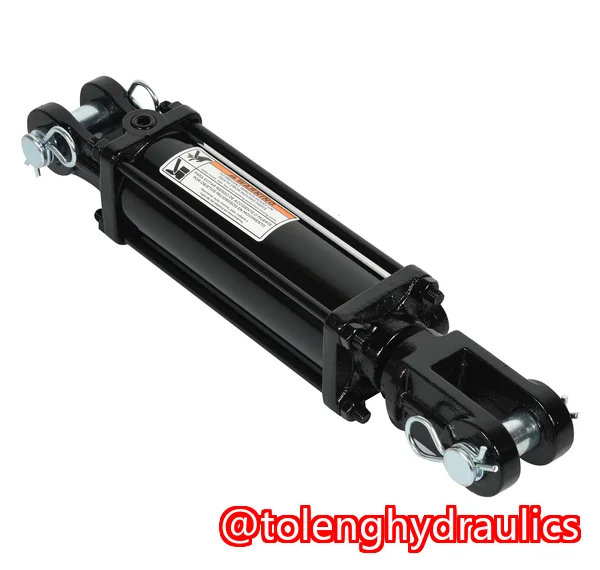
Understanding Single-Acting vs Double-Acting Cylinders
Hydraulic cylinders generally come in two main types: single-acting and double-acting. Single-acting cylinders apply force in only one direction, relying on a spring or external force for the return stroke. Double-acting cylinders, on the other hand, can apply force in both directions, giving you more control and power for lifting, pushing, or pulling.
While this distinction seems straightforward, choosing between them is not just about function. The quality of the cylinderhow it’s manufactured, the materials used, and the precision of assemblycan dramatically affect its performance and lifespan. A poorly built double-acting cylinder can leak at the seals, develop rod corrosion, or fail under pressure, creating safety hazards and costly downtime.
Pain Points from Low-Quality Hydraulic Cylinders
I’ve seen first-hand what happens when hydraulic cylinders fail prematurely. Some of the most common problems include:
-
Seal Leakage: Inferior seals or improper installation allow fluid to escape, reducing efficiency and potentially contaminating machinery.
-
Rod Damage: Poor chrome plating or handling can scratch the rod, leading to rapid wear on seals.
-
Bore Imperfections: Inconsistent bore finish causes uneven wear, reduces cylinder life, and increases maintenance costs.
-
Untraceable Materials: Without proper material traceability, you can’t be certain of strength or corrosion resistance, leaving cylinders vulnerable in harsh environments.
These failures are not just inconvenientthey cost money, time, and sometimes compromise safety. The good news is that careful inspection and choosing a professional manufacturer like Toleng can prevent them.
Toleng Hydraulics Manufacturing Capabilities
Our approach starts with in-house production, giving us complete control over every stage of manufacturing. Some of our key capabilities include:
-
Advanced CNC Machining Centers: Every cylinder component is machined with micron-level accuracy, ensuring precise fit and smooth operation.
-
Automatic Welding Equipment: We use state-of-the-art welding machines to guarantee strong, consistent welds, essential for maintaining cylinder integrity under high pressure.
-
Precision Honing Machines: Our honing process ensures a perfect bore finish, which extends seal life and reduces friction during operation.
-
Complete Testing Facilities: Before any cylinder leaves our factory, it undergoes rigorous testing to meet and exceed performance standards.
Quality Control You Can Trust
At Toleng, quality control isn’t just a stepit’s a culture. Every cylinder passes through multiple inspection points:
-
Raw Material Inspection and Traceability: All steel and alloys are verified for strength, composition, and corrosion resistance. Every batch has full documentation.
-
In-Process Quality Checks: Components are continuously measured and tested during assembly to catch any deviation immediately.
-
Final Pressure Testing: Cylinders are tested at 1.5 times their working pressure to ensure they can handle extreme conditions safely.
-
Surface Finish and Coating Inspection: Rods and bores are meticulously checked for smoothness, plating integrity, and protective coatings.
This approach ensures that the cylinders you purchase will perform as expected in real-world applications, from heavy construction machinery to agricultural equipment.
Customization for Your Needs
One of the advantages of working with a professional manufacturer is the ability to tailor cylinders to your exact requirements. At Toleng, we offer:
-
Custom Bore Sizes and Stroke Lengths: Whether you need a compact cylinder for mobile hydraulics or a long-stroke cylinder for industrial lifts, we can provide it.
-
Special Materials for Harsh Environments: Corrosion-resistant alloys and high-strength steels extend service life in aggressive conditions.
-
Various Mounting Styles: Clevis, flange, trunnion, and custom mounts are available for seamless integration.
-
Special Seal Options: High-temperature, low-friction, or high-pressure seals ensure optimal performance in any application.
These options help reduce downtime, improve efficiency, and adapt to unique operational needs.
Benefits of Working with a Professional Manufacturer
Choosing a trusted manufacturer isn’t just about the productit’s about the partnership. Working with Toleng Hydraulics means you get:
-
Consistent Quality Assurance: Every cylinder meets the same high standard, reducing variability and surprises in the field.
-
Shorter Lead Times: Our integrated production process and stock of materials allow us to respond quickly to urgent orders.
-
Technical Support and Expertise: Our engineers provide guidance on cylinder selection, installation, and maintenance.
-
Cost-Effective Solutions: High-quality cylinders reduce maintenance costs and prevent expensive failures.
Practical Guidance for Inspecting Hydraulic Cylinders
When evaluating cylinders, I always recommend a hands-on inspection. Here’s what to check:
-
Material Certification: Confirm that the steel or alloy has proper documentation and meets industry standards.
-
Seal Condition: Inspect for any defects, proper fit, and compatibility with hydraulic fluid.
-
Bore Finish: Look for smooth, uniform surfaces; avoid cylinders with visible scratches or tool marks.
-
Rod Chrome Plating: Rods should be evenly plated, smooth, and free of pits or corrosion.
-
Mounting Integrity: Check welds, threads, and attachment points for durability.
-
Pressure Test Verification: Ensure the cylinder has passed a 1.5x working pressure test for safety.
Following these inspection steps helps prevent purchasing cylinders that will fail under load or in challenging environments.
Real-World Use Cases
Toleng cylinders are widely used in:
-
Construction Equipment: Excavators, loaders, and cranes benefit from our durable, leak-free cylinders.
-
Agricultural Machinery: Tractors, harvesters, and sprayers operate reliably in dusty, wet, and high-load conditions.
-
Industrial Automation: Robotics, presses, and material handling systems require precise, long-lasting cylinders.
-
Mobile Hydraulics: Emergency vehicles, forklifts, and utility machines need cylinders that withstand constant movement.
By selecting quality cylinders and following inspection protocols, operators can maximize uptime, reduce maintenance costs, and ensure safety.
Conclusion
Choosing the right hydraulic cylinder requires more than picking a typeit requires understanding manufacturing quality, material integrity, and proper inspection. By focusing on bore finish, rod plating, seal quality, and pressure testing, buyers can confidently select cylinders that deliver long-term reliability.
I highly recommend following these inspection guidelines to ensure any hydraulic cylinder purchase delivers long-term reliability and performance. Browse our selection of high-quality hydraulic cylinders: 🔗 https://tolenghydraulics.com/contact/ and download our complete hydraulic cylinder inspection checklist today to make informed purchasing decisions.
FAQs
1. What quality certifications do you have?
We provide ISO-certified products, full material traceability, and compliance with industry safety standards.
2. What is your typical production lead time?
Depending on specifications, most orders are delivered within 36 weeks, with expedited options available.
3. Do you offer custom designs?
Yes, we provide custom bore sizes, stroke lengths, materials, mounting styles, and seal options.
4. What testing do you perform on each cylinder?
All cylinders undergo 1.5x working pressure testing, surface inspection, seal checks, and bore finish verification.
5. What is your minimum order quantity?
We accept both small OEM runs and large-scale production orders. Contact us to discuss your requirements.
6. Do you provide technical drawing support?
Absolutely. Our engineers can create detailed technical drawings and assist with integration into your system.
7. What materials do you use for cylinder tubes and rods?
We use high-strength alloy steel for tubes and precision chrome-plated steel for rods, with corrosion-resistant options for harsh environments.
Keywords
hydraulic cylinder, manufacturer, manufacturing, factory, CNC machining, quality control, testing, inspection, custom design, OEM, lead time, certification, pressure testing, hydraulic cylinder materials, hydraulic cylinder inspection, cylinder quality control, hydraulic seal types, cylinder bore finish, rod chrome plating

