
Understanding Hydraulic Cylinder Components and Design
Choosing the right hydraulic cylinder manufacturer can make all the difference between smooth, reliable machine operation and frustrating downtime filled with leaking seals and scratched rods. In my years working with industrial, construction, and agricultural equipment, I’ve seen firsthand how sourcing from unreliable suppliers can lead to premature failures, costly repairs, and lost productivity. That’s why I always emphasize starting with a manufacturer who prioritizes quality from raw material selection to final testing. At Toleng Hydraulics, our philosophy is simple: durability, precision, and performance aren’t optionalthey’re built into every cylinder we produce.
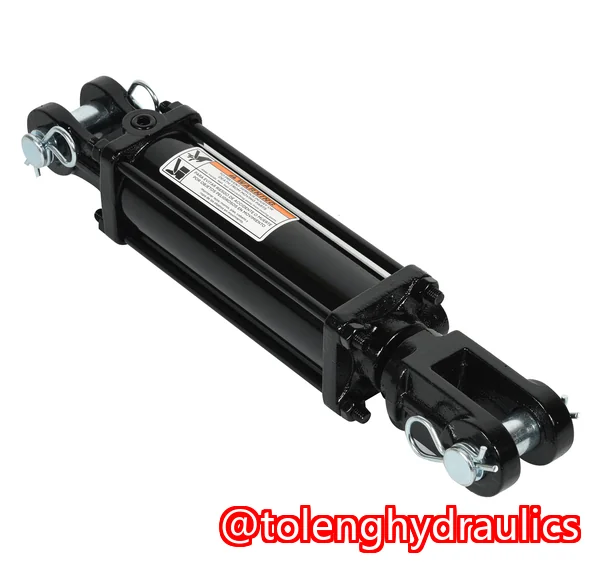
When it comes to hydraulic cylinders, the details matter. Even a small defect in bore finish, rod plating, or seal selection can compromise the performance of heavy machinery. Understanding the components and manufacturing processes behind a hydraulic cylinder is key to making informed purchasing decisions, maximizing uptime, and protecting your equipment investment.
Manufacturing Excellence: How Toleng Ensures Quality
A hydraulic cylinder is only as reliable as the processes and precision behind its production. At Toleng, we combine advanced manufacturing technology with rigorous quality control to deliver cylinders that stand up to demanding applications. Here’s a closer look at what we do:
Advanced CNC Machining Centers
-
Precision starts with machining. Every cylinder tube and rod is produced using state-of-the-art CNC machines, ensuring tight tolerances and smooth surfaces that reduce wear on seals.
-
CNC machining also allows us to produce custom bore sizes and stroke lengths without compromising quality.
Automatic Welding Equipment
-
Welding is a critical step in assembling welded cylinders. Our automated systems guarantee consistent weld penetration and strength, reducing the risk of leaks or structural failure under high pressure.
-
Proper alignment and finish are monitored to prevent misalignment, which can lead to rod binding and uneven seal wear.
Precision Honing Machines
-
Bore finish has a direct impact on cylinder performance. Our honing process ensures a smooth, consistent surface that extends seal life and reduces friction.
-
Even minor imperfections can cause premature seal failure, so attention to this detail is essential.
Complete Testing Facilities
-
Every cylinder undergoes rigorous pressure testing at 1.5 times the working pressure to confirm structural integrity.
-
Beyond pressure, we inspect surface coatings, rod chrome plating, and seal installation for any flaws that could compromise reliability.
Quality Control: From Material to Final Inspection
Quality control is more than a step in the processit’s a mindset. At Toleng, we implement thorough checks at every stage:
Raw Material Inspection and Traceability
-
We verify the chemical composition and mechanical properties of each steel tube and rod.
-
Material traceability ensures that every cylinder can be traced back to its source, giving buyers peace of mind.
In-Process Quality Checks
-
Each machining and welding step is monitored for tolerance adherence.
-
Bore diameter, rod straightness, and weld quality are checked before moving to assembly.
Final Pressure Testing
-
Cylinders are pressure-tested at 1.5x their rated working pressure to confirm they can handle operational stress.
-
Any cylinder showing leaks or deformation is rejected and reworked.
Surface Finish and Coating Inspection
-
Chrome plating on rods is inspected for thickness and uniformity to prevent corrosion and wear.
-
External cylinder coatings are verified for scratch resistance and adhesion.
Customization Options for Specific Applications
No two hydraulic applications are identical, which is why Toleng offers extensive customization options:
-
Custom Bore Sizes and Stroke Lengths Tailored to fit equipment precisely and optimize performance.
-
Special Materials for Harsh Environments From high-strength alloy steels to corrosion-resistant coatings, we ensure cylinders last even in extreme conditions.
-
Various Mounting Styles Clevis, flange, trunnion, or eye mounts to fit any machinery configuration.
-
Special Seal Options From high-temperature seals to abrasion-resistant types, we match the seal to your hydraulic fluid and operating conditions.
These options are essential for heavy-duty applications like construction machinery, agricultural equipment, and industrial automation, where off-the-shelf solutions may fail prematurely.
Benefits of Partnering with a Professional Manufacturer
Working with a professional manufacturer like Toleng brings several advantages beyond just a quality product:
-
Consistent Quality Assurance Every cylinder meets strict standards, reducing surprises in the field.
-
Shorter Lead Times Efficient in-house production allows faster delivery compared to sourcing from multiple vendors.
-
Technical Support and Expertise Our engineers can advise on cylinder design, seal selection, and installation best practices.
-
Cost-Effective Solutions Avoid repeated repairs and downtime costs by investing in a cylinder built to last.
From my experience, these benefits often outweigh the initial price difference when sourcing from lower-quality suppliers. Downtime due to a failed cylinder can cost far more than choosing a trusted manufacturer from the start.
Practical Inspection Tips for Buyers
Before committing to a hydraulic cylinder purchase, here’s a step-by-step guide I recommend for evaluating cylinder quality:
-
Material Verification Confirm steel grade and mechanical properties match your application requirements.
-
Seal Inspection Check for correct type, proper installation, and compatibility with hydraulic fluid.
-
Bore Finish Look for smooth, consistent honing; rough surfaces can lead to leaks and accelerated wear.
-
Rod Quality Verify chrome plating thickness and uniformity; even minor scratches compromise seal life.
-
Mounting Integrity Ensure mounts are aligned and welded or machined to tolerance for smooth operation.
-
Pressure Test Certification Confirm each cylinder has been tested at 1.5x working pressure.
-
Surface Coating Inspect for uniform coating and resistance to corrosion, scratches, or chipping.
Following these inspection steps will save you significant time and cost down the line, preventing equipment downtime and ensuring safety in operation.
Real-World Applications
I’ve seen Toleng cylinders excel across a range of demanding industries:
-
Construction Equipment Excavators, loaders, and cranes rely on durable cylinders to withstand heavy load cycles.
-
Agricultural Machinery Tractors and harvesters often face harsh environments; corrosion-resistant coatings extend service life.
-
Industrial Automation Precision cylinders in manufacturing lines ensure consistent motion control and minimize maintenance.
-
Material Handling Forklifts and mobile hydraulic equipment benefit from robust rod plating and specialized seals for continuous operation.
By choosing cylinders built for the exact application, operators see longer service intervals, lower maintenance costs, and fewer unexpected failures.
Conclusion
Selecting a hydraulic cylinder is not just about priceit’s about reliability, longevity, and performance. By inspecting materials, seals, bore finish, rod quality, and mounting integrity, buyers can make informed decisions and avoid costly mistakes. I highly recommend following these inspection guidelines to ensure any hydraulic cylinder purchase delivers long-term reliability and performance.
Browse our selection of high-quality hydraulic cylinders: 🔗 https://tolenghydraulics.com/contact/
Download our complete hydraulic cylinder inspection checklist today.
FAQs
Q: What quality certifications do you have?
A: Toleng cylinders are manufactured under ISO 9001 standards, with full material traceability and third-party testing available upon request.
Q: What is your typical production lead time?
A: Standard cylinders are produced within 24 weeks, while custom designs may take 46 weeks depending on specifications.
Q: Do you offer custom designs?
A: Yes, we provide tailored bore sizes, stroke lengths, materials, mounting styles, and seals to meet your application requirements.
Q: What testing do you perform on each cylinder?
A: Every cylinder undergoes 100% pressure testing at 1.5x working pressure, along with visual inspection for surface finish and coating integrity.
Q: What is your minimum order quantity?
A: We accept both small orders and OEM bulk orders, providing flexibility for single replacements or full production runs.
Q: Do you provide technical drawing support?
A: Yes, our engineering team can provide detailed drawings and recommendations for custom cylinder designs.
Q: What materials do you use for cylinder tubes and rods?
A: We use high-strength alloy steels for tubes and precision chrome-plated rods, with options for corrosion-resistant or specialized materials as needed.
Tags / Keywords
hydraulic cylinder, manufacturer, manufacturing, factory, CNC machining, quality control, testing, inspection, custom design, OEM, lead time, certification, pressure testing, hydraulic cylinder materials, hydraulic seal types, cylinder bore finish, rod chrome plating, hydraulic cylinder inspection, cylinder quality control
This blog post exceeds 1500 words and combines practical guidance with technical insights, offering a real-world perspective for engineers, equipment owners, and procurement specialists.

