
Single-Acting vs Double-Acting Hydraulic Cylinders: What’s the Difference?
When purchasing hydraulic cylinders for your heavy equipment, whether for construction, agriculture, or industrial applications, you may face the frustrating issue of premature cylinder failure. As a maintenance engineer or equipment buyer, you’ve probably encountered the typical concerns: seal leakage, rod damage, and hydraulic cylinder breakdowns that lead to expensive downtime. But how can you tell which hydraulic cylinders are built to last and which ones aren’t? One critical aspect to consider is whether you’re choosing a single-acting or double-acting hydraulic cylinder.
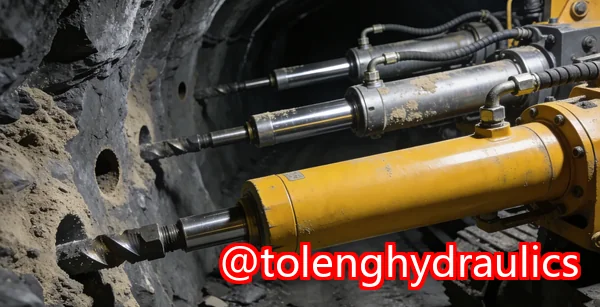
Understanding the key differences between these two types of cylinders can be the deciding factor in ensuring your equipment performs reliably, day in and day out. In this article, I’ll walk you through these differences, how to evaluate hydraulic cylinder quality, and share practical tips for inspecting cylinders before purchase.
What Are Single-Acting and Double-Acting Cylinders?
At their core, hydraulic cylinders are devices that use hydraulic pressure to create linear motion. They’re commonly used in various heavy-duty machinery like excavators, forklifts, and agricultural equipment. However, not all hydraulic cylinders work the same way. The difference between a single-acting and a double-acting cylinder lies in how they generate force.
Single-Acting Hydraulic Cylinders
A single-acting hydraulic cylinder is a simple design that uses hydraulic pressure to move the piston in only one direction. The cylinder is pressurized on one side, which extends the piston. To retract the piston, a spring or external force is typically used to pull it back.
- Common Uses: These cylinders are often found in applications where the load moves in one direction, like in dump trucks or simple lifting equipment.
- Advantages: They’re cost-effective, straightforward, and ideal for lighter-duty tasks.
- Disadvantages: They lack the power and control of double-acting cylinders when movement is required in both directions.
Double-Acting Hydraulic Cylinders
A double-acting hydraulic cylinder, on the other hand, has hydraulic pressure applied to both sides of the piston: one for extending and one for retracting. This setup offers greater control, versatility, and power, making it suitable for applications requiring more precise and reliable movement in both directions.
- Common Uses: These cylinders are typically used in more complex machinery, such as construction equipment, cranes, and industrial automation systems.
- Advantages: Double-acting cylinders provide more consistent and controlled force, even in harsh environments.
- Disadvantages: They tend to be more expensive and require more maintenance than single-acting cylinders.
Key Differences: Single-Acting vs Double-Acting Cylinders
To sum it up in simple terms, single-acting cylinders are great for simpler, one-way tasks, while double-acting cylinders are more versatile and capable of handling the demands of complex machinery. But how do you know which one is right for your specific equipment?
Factors to Consider When Choosing Between Single-Acting and Double-Acting Cylinders
- Application Type: Will your machinery need to extend and retract frequently, or is the movement required in only one direction?
- Load Requirements: Double-acting cylinders offer more power, which is necessary for lifting heavy loads or handling high-pressure tasks.
- Cost and Maintenance: Single-acting cylinders are typically cheaper and easier to maintain, while double-acting cylinders come with higher costs and maintenance needs.
How to Identify High-Quality Hydraulic Cylinders
Now that you have a better understanding of the types of hydraulic cylinders available, the next question is: How do you ensure you’re selecting a high-quality hydraulic cylinder?
The reality is, not all hydraulic cylinders are created equal. Low-quality cylinders can fail prematurely, costing your company significant downtime and repair expenses. The good news is, by following a few straightforward inspection steps, you can identify whether you’re dealing with a high-quality cylinder or a subpar one.
1. Check the Cylinder Tube Material and Internal Bore Finish
The material and finish of the cylinder tube play a critical role in how well the cylinder performs. A smooth bore finish ensures that the piston moves without obstruction, minimizing wear and tear. Low-quality cylinders may have inconsistent bore finishes, leading to premature cylinder failure.
- Tip: Look for a smooth, uniform finish in the internal bore, free of scratches or imperfections. The best hydraulic cylinders often use high-grade materials such as carbon steel or stainless steel, which are less prone to wear.
2. Inspect the Piston Rod’s Surface Finish
The piston rod is one of the most stressed parts of any hydraulic cylinder, and its surface finish directly affects the lifespan of the seals and the cylinder’s performance.
- Tip: Make sure the rod has a hard chrome plating with a smooth finish. A poor-quality rod will have surface defects like pitting or scratches, which can damage seals and lead to leaks.
3. Evaluate the Quality of Seals
Seals are vital for preventing leaks and maintaining the pressure inside the cylinder. The material of the seals should be appropriate for the fluid and pressure conditions your equipment will be exposed to. Poor-quality seals can lead to premature leakage and downtime.
- Tip: Pay attention to the type of seal material used, especially if you’re working with high-temperature or high-pressure applications. The best cylinders use seals made from durable materials like polyurethane or nitrile rubber.
4. Examine Weld Quality on Cylinder Ends and Mounts
The welds on the cylinder ends and mounts ensure the structural integrity of the cylinder. Poorly executed welds can lead to cylinder failure under high load conditions.
- Tip: Inspect the welds for consistent bead size and quality. Uneven or cracked welds are signs of poor manufacturing and should be avoided.
5. Measure Bore Size and Rod Diameter
Bore size and rod diameter are crucial specifications that influence cylinder performance. An incorrect or inconsistent bore size can result in less efficient operation and faster wear.
- Tip: Use a caliper to measure both the bore and rod accurately. Always ensure they meet the manufacturer’s specifications for your equipment’s needs.
Why Inspection Matters
By following these inspection guidelines, you can avoid costly issues down the road. The benefits of proper hydraulic cylinder inspection include:
- Preventing Costly Downtime: Equipment failure is costly, especially if it leads to delays in projects or production.
- Extending Cylinder Service Life: Choosing a high-quality cylinder from the start can prevent wear and damage, extending its useful life.
- Reducing Maintenance Costs: Identifying poor-quality cylinders early helps you avoid expensive repairs and replacements later on.
Conclusion: Choosing the Right Hydraulic Cylinder for Your Equipment
As I’ve discussed, selecting the right hydraulic cylinder is about more than just picking a part off the shelf. Whether you’re dealing with single-acting or double-acting cylinders, it’s crucial to conduct thorough inspections to ensure you’re investing in quality. I highly recommend following these inspection guidelines to ensure that any hydraulic cylinder purchase you make delivers long-term reliability and performance. This will help you avoid downtime, reduce maintenance costs, and keep your equipment operating smoothly.
Looking for high-quality hydraulic cylinders? Browse our selection of Toleng hydraulics and make informed decisions that will protect your equipment investment. Click here to check out our products.
FAQs
1. How can I tell if a hydraulic cylinder has quality seals?
Inspect the seal material and ensure it’s suitable for your operational conditions. High-quality seals are durable, resistant to high pressures, and should fit snugly without signs of damage or leaks.
2. What rod surface finish is best for long seal life?
A smooth, hard chrome-plated rod with a mirror-like finish is ideal. This reduces wear on seals and prevents the buildup of debris that could cause damage.
3. How do I measure bore size and stroke length correctly?
Use a caliper to measure the bore diameter and stroke length. Check these measurements against the manufacturer’s specifications to ensure a proper fit for your equipment.
4. What are the signs of a poorly manufactured cylinder?
Signs include uneven welds, poor-quality seals, rough bore finishes, and rods with surface imperfections. These can all lead to premature failure and inefficiency.
5. Which cylinder mounting styles are strongest?
Welded mounting styles generally offer more strength and durability compared to tie-rod cylinders, especially in high-load applications.
6. How do I choose between welded and tie-rod cylinders?
Consider your application. Welded cylinders are more robust and ideal for heavy-duty equipment, while tie-rod cylinders are simpler and more affordable for lighter tasks.
7. What chrome plating thickness should I look for on rods?
A chrome plating thickness of 20-30 microns is typically ideal for ensuring long-lasting durability and protection against corrosion.
Tags: hydraulic cylinder quality, cylinder seals, rod finish, bore size, hydraulic cylinder maintenance, cylinder inspection, welded hydraulic cylinder, tie-rod cylinder, hydraulic cylinder buying guide, cylinder failure prevention, hydraulic cylinder materials

