
Tie-Rod vs Welded Hydraulic Cylinders: Which One Do You Need?
When you’re in the business of heavy equipment or machinery, you know how critical hydraulic cylinders are. But here’s a real-world concern that many engineers and maintenance teams face: not all hydraulic cylinders are made the same. In fact, premature failures due to faulty seals, rod damage, or leaks can bring operations to a halt, costing both time and money. So, how do you ensure that the hydraulic cylinder you’re purchasing won’t fail prematurely and leave you dealing with costly repairs?
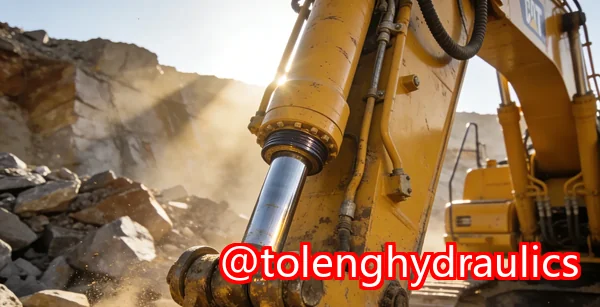
In this article, we’ll dive deep into the differences between tie-rod and welded hydraulic cylinders. We’ll guide you through practical ways to evaluate cylinder quality and provide tips to help you make informed purchasing decisions. Whether you’re looking for cylinders for construction, industrial, or agricultural applications, this guide will help you avoid common mistakes and select hydraulic cylinders that deliver long-lasting performance.
Common Problems When Evaluating Hydraulic Cylinders
Before we jump into the nitty-gritty of cylinder types and inspections, let’s talk about the most common challenges equipment buyers and maintenance teams face:
-
Difficulty Distinguishing Cylinder Quality: A shiny exterior or a well-painted surface doesn’t necessarily mean the hydraulic cylinder is of high quality. A cylinder might look great but still have subpar internal components or poor manufacturing practices that will cause it to fail prematurely.
-
Uncertainty About Seal Materials: The seals in a hydraulic cylinder are critical for preventing fluid leaks, and if you’re using cylinders in tough conditions (think extreme heat or moisture exposure), you’ll need the right seals. But how do you know if the seals in a particular cylinder are the best fit for your application?
-
Inconsistent Bore Finish: A smooth bore finish is essential for minimizing wear and tear on both the seals and the piston. An improper finish can lead to early seal failure or excessive friction, which can decrease the cylinder’s lifespan.
Choosing Between Tie-Rod and Welded Hydraulic Cylinders
Now that we’ve covered the common pain points, let’s look at the two main types of hydraulic cylinders: tie-rod and welded. Each type has its advantages and disadvantages depending on your application.
Tie-Rod Hydraulic Cylinders
Tie-rod cylinders are one of the most commonly used designs. They consist of a series of rods that tie the cylinder together, which means they can be disassembled for maintenance and repairs. This makes tie-rod cylinders a favorite for applications where maintenance is required often or where you need easy access to the internal components.
Pros of Tie-Rod Cylinders:
-
Easy to Maintain: Since they are bolted together, they can be disassembled easily for repairs.
-
Cost-Effective: They tend to be more affordable than welded cylinders due to their simpler design and ease of manufacturing.
-
Versatility: Tie-rod cylinders are widely used in construction and agricultural equipment, making them a reliable choice for many industries.
Cons of Tie-Rod Cylinders:
-
Lower Pressure Rating: Tie-rod cylinders are generally not as robust under high-pressure conditions compared to welded cylinders.
-
Larger Design: The additional tie rods make them bulkier, which may not be ideal for tight spaces.
Welded Hydraulic Cylinders
On the other hand, welded cylinders are designed for heavier-duty applications where higher pressure is involved. These cylinders are welded together, meaning they can handle greater stresses and are generally more durable.
Pros of Welded Cylinders:
-
Stronger Construction: Welded cylinders can handle higher pressure and are often used in more demanding industrial applications.
-
Compact Design: Without the tie rods, welded cylinders tend to be more compact and ideal for space-limited machinery.
-
Better Sealing: The welded construction provides a more robust seal, reducing the risk of leaks.
Cons of Welded Cylinders:
-
Difficult to Repair: If something goes wrong with a welded cylinder, it’s usually more difficult and expensive to repair since it can’t be easily disassembled.
-
Higher Cost: The manufacturing process for welded cylinders can be more expensive, making them a higher upfront investment.
How to Inspect Hydraulic Cylinders for Quality
When it comes to evaluating the quality of any hydraulic cylinder, there are several critical inspection points that can help you avoid purchasing a cylinder that will fail prematurely.
1. Inspect Cylinder Tube Material and Bore Finish
The material of the cylinder tube and the quality of its internal bore finish are two of the most important factors that affect the cylinder’s performance. Here’s how to inspect them:
-
Cylinder Tube Material: Ensure that the cylinder is made from high-quality steel or alloy. Steel is the most common, but some heavy-duty applications require special alloys.
-
Bore Finish: A smooth bore finish is essential for reducing wear on the seals. To inspect this, you can use a bore gauge or inspect the surface with a high-powered light. Any inconsistencies could indicate poor manufacturing.
2. Examine Piston Rod Hardness, Chrome Plating, and Surface Finish
The piston rod is a critical part of any hydraulic cylinder, so it’s important to check its hardness, chrome plating thickness, and surface finish:
-
Hardness: Check for the hardness of the piston rod using a hardness tester. A rod that’s too soft can wear out prematurely, while a rod that’s too hard might crack under pressure.
-
Chrome Plating Thickness: The chrome plating on the piston rod helps reduce friction and protect the rod from corrosion. Inspect the rod for any signs of damage to the plating and ensure it meets the necessary thickness (usually around 0.002 inches).
-
Surface Finish: The surface should be free of pits, scratches, or other imperfections that could lead to seal failure or reduce the lifespan of the cylinder.
3. Evaluate Seal Types and Materials
The seals are one of the most important aspects of a hydraulic cylinder. The right seal material can extend the life of your cylinder, while poor-quality seals can result in leaks and downtime.
-
Seal Type: Ensure the cylinder uses the right type of seal for your application. For example, hydraulic seals like nitrile or Viton are common, but for extreme temperatures or harsh chemicals, you may need something more specialized.
-
Seal Quality: Look for signs of wear or improper installation in the seals. Misaligned seals or poor-fitting seals can cause leaks, leading to a loss of pressure and cylinder failure.
4. Verify Weld Quality on Cylinder Ends and Mounts
For welded cylinders, check the quality of the welds. Poor welds can result in cylinder failure, especially under high stress.
-
Inspect the welds for smoothness and consistency.
-
Ensure there are no cracks or weak points that could compromise the cylinder’s integrity.
5. Check Mounting Styles and Port Threads
The mounting style of a cylinder (such as flange, trunnion, or foot mounting) determines its compatibility with your equipment. Ensure that the cylinder is designed for the specific application it’s intended for.
-
Mounting Styles: Choose a mounting style that can withstand the forces involved in your equipment’s operation.
-
Port Threads: Verify that the port threads are clean and undamaged. Poor-quality threads can cause leaks or prevent proper installation.
Conclusion: Choosing the Right Hydraulic Cylinder
Selecting the right hydraulic cylinder isn’t just about picking the first one you see. By taking the time to inspect the materials, seals, rod finishes, and other components, you can ensure that you’re getting a cylinder that will perform reliably and last longer. I highly recommend following these inspection guidelines to ensure any hydraulic cylinder purchase delivers long-term reliability and performance.
If you’re looking for high-quality hydraulic cylinders, Toleng Hydraulics offers a range of products that are built to perform in the toughest conditions.
Browse our selection of high-quality hydraulic cylinders: Toleng Hydraulics
Download our complete hydraulic cylinder inspection checklist today.
Frequently Asked Questions (FAQ)
How can I tell if a hydraulic cylinder has quality seals?
Look for seals made from high-quality materials like Viton or polyurethane. Ensure that the seals are properly aligned and show no signs of wear or damage.
What rod surface finish is best for long seal life?
A smooth, polished rod surface with proper chrome plating ensures reduced wear on seals and extends the cylinder’s life.
How do I measure bore size and stroke length correctly?
Use a caliper to measure the internal diameter of the cylinder’s bore. For stroke length, measure from the cylinder’s fully retracted position to its fully extended position.
What are the signs of a poorly manufactured cylinder?
Signs include rough welds, poor seal quality, scratches or pits on the rod, and irregular bore finishes.
Which cylinder mounting styles are strongest?
Trunnion mounting provides the strongest support for large, heavy equipment, while flange mounting is typically used for lighter-duty applications.
How do I choose between welded and tie-rod cylinders?
Welded cylinders are better for heavy-duty, high-pressure applications, while tie-rod cylinders are easier to maintain and cost-effective for less demanding jobs.
What chrome plating thickness should I look for on rods?
Look for chrome plating that is at least 0.002 inches thick for durability and corrosion resistance.

