
Telescopic Hydraulic Cylinders: How They Work and When to Use Them
When purchasing hydraulic cylinders for heavy equipment, one thing I’ve learned over the years is that not all cylinders are built to last. Premature seal failures, rod damage, and leaks can grind operations to a halt, causing costly downtime and repairs. But here’s the thingthese failures don’t always have to happen. With the right knowledge and inspection techniques, you can ensure that the hydraulic cylinders you buy are up to the task, delivering long-term reliability and performance.
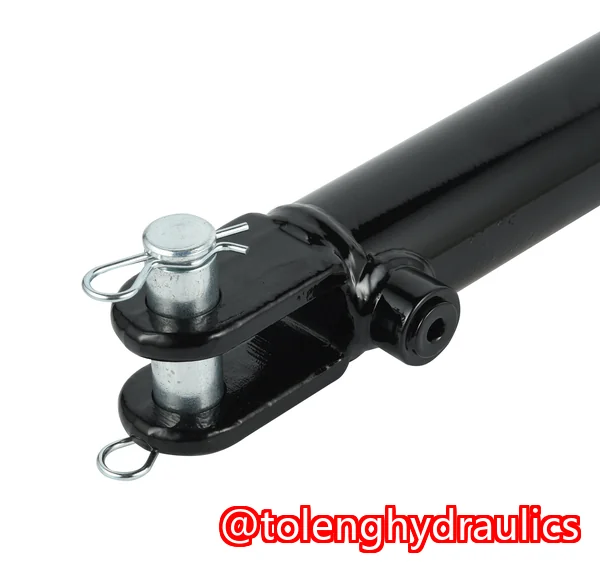
If you’re in the market for hydraulic cylinders, you probably know how challenging it can be to distinguish between high-quality cylinders and those that are poorly manufactured. That’s where a thorough inspection comes in. From evaluating the materials used in the cylinder tube to checking the rod finish and seal types, every detail matters. In this post, I’ll walk you through what to look for when evaluating telescopic hydraulic cylinders, so you can make informed purchasing decisions and avoid the pitfalls of poor-quality equipment.
Understanding Telescopic Hydraulic Cylinders
Telescopic hydraulic cylinders are a special type of hydraulic cylinder designed for applications that require a compact size during retraction, yet extend to provide a significant range of motion. These cylinders consist of multiple nested tubes that extend in stages to achieve a much longer stroke length than conventional single-stage cylinders. They are widely used in industries like construction, agriculture, and material handling, where space-saving and extended reach are critical.
When do you need telescopic cylinders?
Telescopic hydraulic cylinders come in handy when you need to maximize the stroke length but don’t have the space for a fully extended conventional cylinder. For example, in dump trucks, lifting mechanisms, or agricultural equipment like boom arms and forklifts, telescopic cylinders allow for long, extended reach while maintaining a compact size when retracted. Their versatility makes them indispensable in machinery that demands both flexibility and strength.
Common Hydraulic Cylinder Failures
If you’ve worked in maintenance or procurement, you’ve probably faced the frustration of dealing with premature hydraulic cylinder failures. Some common issues include:
-
Seal Failures: The seals in hydraulic cylinders are designed to prevent fluid leakage and contamination. However, poor-quality seals or improper installation can lead to leaks, affecting the cylinder’s performance.
-
Rod Damage: The piston rod in a hydraulic cylinder is subject to extreme stress during operation. Over time, poor rod finishes, corrosion, or wear can compromise its integrity, leading to potential failure.
-
Bore Finish Problems: The interior surface of the cylinder bore plays a crucial role in maintaining efficient hydraulic pressure. An inconsistent bore finish can cause excessive wear, leading to reduced cylinder lifespan.
-
Weld Quality Issues: The welds at the ends of the cylinder, where the tube connects to the mounts, must be durable and precise. Poor-quality welding can lead to joint failure, compromising safety and performance.
How to Inspect Hydraulic Cylinders for Quality
Before making a purchase, you need to carefully inspect the cylinder to ensure it’s up to industry standards. Here’s how you can evaluate the quality of a telescopic hydraulic cylinder:
1. Inspect the Cylinder Tube Material and Internal Bore Finish
The quality of the material used for the cylinder tube and its internal finish is paramount to the cylinder’s overall performance and longevity. A high-quality steel alloy should be used for the tube to ensure strength and resistance to wear.
-
Check for smoothness: A smooth bore finish is essential to avoid excessive wear on the seals and the piston.
-
Verify tolerance: Ensure the bore is within specified tolerances to ensure proper sealing and hydraulic efficiency.
2. Check the Piston Rod Finish
The piston rod is the part of the hydraulic cylinder that extends and retracts, carrying the load. It’s crucial that this component is made from high-quality steel and features a smooth, hard surface finish.
-
Look for chrome plating: The piston rod should be coated with a thick layer of chrome plating to protect it from corrosion and wear.
-
Inspect for surface defects: Even small scratches or imperfections can lead to seal damage, so make sure the rod is free from blemishes.
-
Check rod hardness: A hard, durable piston rod ensures that it can withstand the forces it encounters during operation.
3. Evaluate the Seal Types and Materials
Hydraulic cylinder seals are designed to prevent fluid leakage and keep contaminants out. Choosing the right seal material is critical to maintaining cylinder integrity.
-
Material choice: The seal should be made of durable materials that can handle the pressure, temperature, and type of hydraulic fluid used in the system. Common materials include polyurethane, nitrile rubber, and fluorocarbon elastomers.
-
Examine the installation: Properly installed seals will prevent leakage and contamination. Ensure that the seals are seated correctly in their grooves and free from damage.
4. Assess the Weld Quality
Welding is critical for the structural integrity of the cylinder. A good weld ensures that the parts of the cylinder stay together under high pressure.
-
Look for consistent welds: Inspect the welds for uniformity. Any gaps or cracks in the welds can lead to failure under stress.
-
Check for weld fatigue: Over time, the welds can weaken due to pressure cycles. Be sure to inspect for any signs of stress or cracks near the welded joints.
5. Verify Mounting Styles
The mounting style affects the way the cylinder is attached to the machinery. There are different types of mounts, including flange mounts, trunnion mounts, and clevis mounts. Make sure the mounting style suits the application and provides the necessary durability and performance.
-
Check for proper fit: Mounting points should be aligned and free from excessive wear.
-
Look for heavy-duty mounts: For high-stress applications, heavy-duty mounting styles will offer better support and performance.
Tips for Avoiding Common Hydraulic Cylinder Failures
To maximize the lifespan of your hydraulic cylinders and avoid costly repairs, here are some tips to follow:
-
Regular Inspections: Inspect your cylinders regularly for signs of wear or damage. Catching issues early can prevent bigger problems down the road.
-
Use the Right Fluid: Ensure that the hydraulic fluid you use is compatible with your seals and rod materials to prevent degradation.
-
Maintain Proper Pressure Levels: Avoid over-pressurizing your hydraulic system, as this can lead to premature seal wear and cylinder damage.
Conclusion: How to Choose the Right Hydraulic Cylinder
By following these inspection methods, you can be sure that the hydraulic cylinders you purchase are of the highest quality. Regular maintenance and thorough checks are essential to avoid downtime, ensure safety, and extend the service life of your equipment.
I highly recommend following these inspection guidelines to ensure any hydraulic cylinder purchase delivers long-term reliability and performance. For more information, browse our selection of high-quality hydraulic cylinders at Toleng Hydraulics, and download our complete hydraulic cylinder inspection checklist today.
Frequently Asked Questions (FAQs)
1. How can I tell if a hydraulic cylinder has quality seals?
Look for seals made from high-quality materials such as nitrile rubber or polyurethane. Check that they are properly seated and free from any damage.
2. What rod surface finish is best for long seal life?
A chrome-plated piston rod with a smooth, hard surface finish will extend seal life by preventing friction and wear.
3. How do I measure bore size and stroke length correctly?
Use precision measuring tools like micrometers and calipers to measure the bore diameter. Stroke length can be measured by fully extending and retracting the cylinder and noting the total distance traveled.
4. What are the signs of a poorly manufactured cylinder?
Signs include poor welds, inconsistent bore finishes, damaged or uncoated rods, and improperly installed seals.
5. Which cylinder mounting styles are strongest?
Trunnion mounts and flange mounts are often the strongest and most durable for heavy-duty applications.
6. How do I choose between welded and tie-rod cylinders?
Welded cylinders are typically more durable and compact, while tie-rod cylinders are easier to maintain and repair.
7. What chrome plating thickness should I look for on rods?
Look for chrome plating thickness of at least 20 microns to ensure durability and resistance to corrosion.
Tags or Keywords
-
hydraulic cylinder quality, cylinder seals, rod finish, bore size, hydraulic cylinder maintenance, cylinder inspection, welded hydraulic cylinder, tie-rod cylinder, hydraulic cylinder buying guide, cylinder failure prevention, hydraulic cylinder materials

