
The Complete Guide to Telescopic Hydraulic Cylinders
Hydraulic cylinders play a critical role in a wide range of industries, from construction to agriculture. These powerful tools convert hydraulic energy into linear motion, powering machinery such as excavators, cranes, and even tractors. But here’s the thing: not all hydraulic cylinders are built the same. If you’re not careful when selecting one, you could end up with a cylinder that’s prone to premature failure, expensive downtime, or costly repairs. Whether you’re buying a hydraulic cylinder for a piece of industrial machinery or a mobile piece of equipment, it’s crucial to ensure you’re getting the best possible quality.
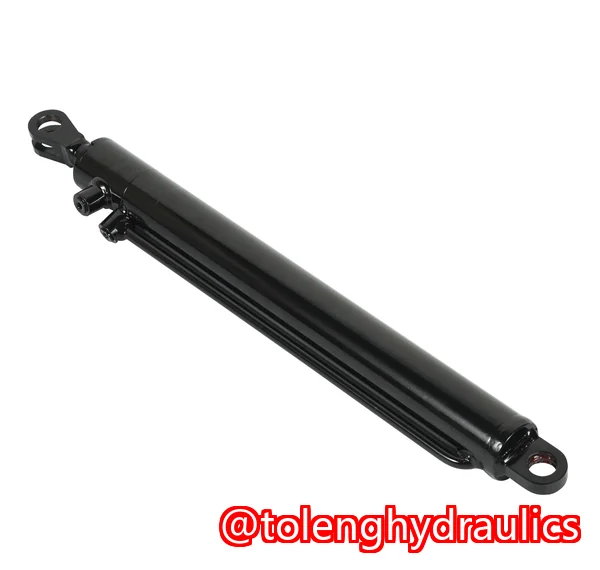
In this guide, I’ll walk you through how to assess the true quality of telescopic hydraulic cylinders. By the end, you’ll be equipped with practical, hands-on methods for inspecting these cylinders, so you can make better purchasing decisions and avoid unnecessary repairs. We’ll cover everything from rod finish to cylinder bore size, and help you pinpoint quality issues before they become problems.
Understanding the Pain Points: Why Hydraulic Cylinders Fail Prematurely
When purchasing hydraulic cylinders for heavy machinery, it’s easy to be swayed by the exterior appearance or price alone. But let’s be honest: appearances can be deceiving. Often, poor-quality hydraulic cylinders may look good on the surface but fail to perform as expected. Some common pain points include:
-
Premature seal failure: The seals in a hydraulic cylinder prevent fluid leaks, and if they aren’t up to spec, they can lead to significant leaks, reducing performance and causing system failures.
-
Rod damage: The piston rod, responsible for transferring force, can become damaged over time if it’s not made from durable materials, leading to inefficiency and costly repairs.
-
Leaks: A poor cylinder design or subpar welding can result in leaks, which, if left unchecked, can damage machinery and bring operations to a halt.
With that in mind, let’s explore how to avoid these pitfalls and select hydraulic cylinders that will deliver long-lasting performance.
Step 1: Inspecting the Cylinder’s Materials and Construction
The first step in assessing hydraulic cylinder quality is examining the materials used in its construction. A cylinder that’s built with substandard materials will not stand the test of time, especially under high pressure and constant use.
-
Cylinder Tube Material: Check the material used for the cylinder tube. High-quality cylinders typically use honed steel with excellent resistance to wear. Avoid cylinders with tubes made from softer materials that may deform or wear out faster.
-
Internal Bore Finish: The internal bore of the cylinder must have a smooth finish to avoid excessive wear and tear on the piston and seals. Poor bore finishes lead to high friction, which can result in increased heat generation and eventually premature failure.
-
Rod Material: Piston rods need to be made of durable steel, treated to withstand stress. When inspecting the rod, pay attention to any signs of cracks, bends, or pitting, which could be signs of poor material quality or manufacturing errors.
Step 2: Checking Seal Quality and Materials
The seals in a hydraulic cylinder are vital for preventing fluid leaks, maintaining pressure, and ensuring the hydraulic system works efficiently. But not all seals are created equal, so it’s essential to assess them before purchasing a cylinder.
-
Seal Material: The best seals are made from high-quality rubber or synthetic materials like nitrile, Viton, or polyurethane. The material must be chosen based on the operating temperature and the fluids the cylinder will encounter.
-
Seal Installation: Check the installation of the seals. Even the highest-quality seals won’t perform well if they’re improperly installed or misaligned. Look for signs of excessive wear or gaps between the seals and the cylinder walls.
-
Seal Design: Not all seal designs are created equal. Some designs offer better resistance to contaminants, which is especially important in heavy-duty environments like construction sites. Ensure that the seal design fits the application and conditions the cylinder will face.
Step 3: Evaluating the Rod Surface Finish
The surface finish of the piston rod plays a crucial role in the performance and longevity of a hydraulic cylinder. A poor surface finish can cause the seals to wear out faster, leading to fluid leaks and reduced efficiency.
-
Chrome Plating Thickness: Many hydraulic cylinders use chrome plating on the piston rod for added durability. The thickness of this plating should be uniform and thick enough to protect the rod from wear and corrosion. Thin or uneven chrome plating may not offer adequate protection and could result in rod damage.
-
Rod Straightness: The piston rod should be straight and free of any bends. A bent rod can cause uneven pressure distribution and lead to seal damage. Use a precision tool to measure rod straightness before installation to ensure it is within the required tolerance.
-
Surface Finish: The rod should have a smooth surface finish to prevent seal wear. A rough or uneven surface can lead to premature failure of the seals, so it’s essential to inspect the rod for scratches, rust, or corrosion.
Step 4: Checking Bore Size and Stroke Length
Proper cylinder sizing is essential to ensure the hydraulic system operates correctly. Incorrect bore size or stroke length can lead to poor performance or even total failure of the equipment.
-
Bore Size: The bore size should be chosen based on the load and pressure requirements of the system. Too small of a bore can lead to insufficient force, while too large of a bore could result in inefficient power transfer. Use a micrometer to measure the bore size and ensure it’s within specifications.
-
Stroke Length: The stroke length determines the range of motion for the hydraulic cylinder. It must match the intended application’s needs. Measure the stroke length accurately to avoid issues with the operation of the equipment.
Step 5: Assessing Cylinder Mounting and Weld Quality
The quality of the welds and mounting styles is a critical aspect of hydraulic cylinder durability. Poorly welded cylinders are more prone to failure, especially under high-pressure conditions.
-
Weld Quality: Examine the welds at the cylinder’s ends and mounting points. The welds should be uniform and free of cracks, voids, or weak points. Poor welding can lead to stress fractures or leaks over time.
-
Mounting Styles: Different equipment may require different cylinder mounting styles, such as clevis, trunnion, or flange mounts. Make sure the mounting style is compatible with your machinery. Mountings should be strong and durable, capable of handling the force applied without breaking or deforming.
Conclusion: How to Ensure Long-Term Hydraulic Cylinder Performance
After inspecting all the key components from materials to seals, bore size, rod finish, and welds you should have a much better idea of which hydraulic cylinders are worth investing in. A thorough inspection process can help you avoid costly failures, reduce maintenance costs, and ensure that your equipment continues to run smoothly.
I highly recommend following these inspection guidelines to ensure any hydraulic cylinder purchase delivers long-term reliability and performance. By selecting the right hydraulic cylinders, you can avoid the headaches of unexpected downtime and keep your machinery running at peak performance.
Ready to Get Started?
If you’re looking for high-quality hydraulic cylinders that you can trust, browse our selection of Toleng hydraulics. We offer a wide range of products that meet the highest industry standards, designed to provide maximum performance and reliability. Check out our collection today and ensure you’re choosing the best for your business!
FAQ
-
How can I tell if a hydraulic cylinder has quality seals?
Look for seals made from high-quality materials such as nitrile or Viton. Ensure they’re properly installed and show no signs of wear or misalignment.
-
What rod surface finish is best for long seal life?
A smooth, even chrome-plated surface on the piston rod will reduce friction and wear on seals, extending their life.
-
How do I measure bore size and stroke length correctly?
Use a micrometer to measure the bore size accurately and ensure it aligns with the required specifications. For stroke length, measure from the end of the cylinder to the maximum extension.
-
What are the signs of a poorly manufactured cylinder?
Poor weld quality, rough rod surface, uneven bore finish, and misaligned seals are all signs of a substandard hydraulic cylinder.
-
Which cylinder mounting styles are strongest?
Clevis and trunnion mounts are typically the most robust, depending on the application. Ensure the mount style fits your machinery’s specifications.
-
How do I choose between welded and tie-rod cylinders?
Welded cylinders are typically stronger and more compact, while tie-rod cylinders are easier to service and maintain. Choose based on the application’s strength and serviceability requirements.
-
What chrome plating thickness should I look for on rods?
Ideally, the chrome plating should be uniform and at least 20-30 microns thick to offer sufficient protection against wear and corrosion.
Tags/Keywords
-
hydraulic cylinder quality
-
cylinder seals
-
rod finish
-
bore size
-
hydraulic cylinder maintenance
-
cylinder inspection
-
welded hydraulic cylinder
-
tie-rod cylinder
-
hydraulic cylinder buying guide
-
cylinder failure prevention
-
hydraulic cylinder materials

