
Used vs New Hydraulic Cylinders: A Buyer’s Guide
When it comes to buying hydraulic cylinders, whether new or used, getting the right one for your machinery is crucial. Imagine the scenario: you’re in the middle of a critical operation, and suddenly, your equipment comes to a halt due to a hydraulic cylinder failure. A simple issue, like a faulty seal or poor rod surface finish, could cause a costly delay. In today’s fast-paced industrial world, avoiding these unexpected failures is essential to keeping operations smooth and reducing unnecessary downtime.
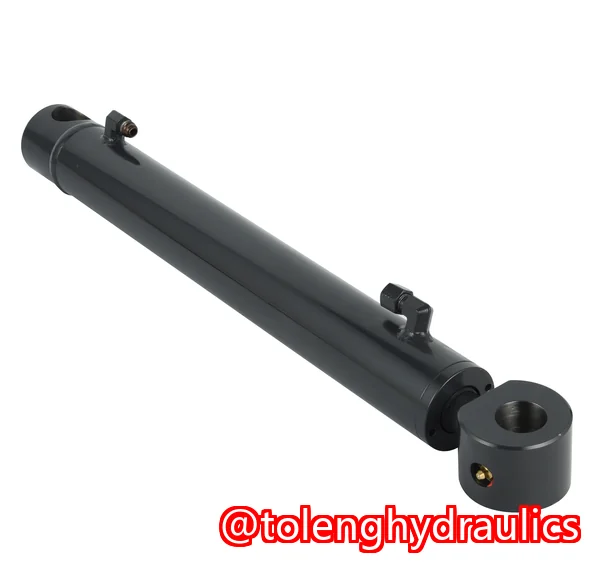
In this guide, I’ll walk you through the key factors to consider when evaluating hydraulic cylinders for your construction, agricultural, or industrial equipment. From identifying cylinder types to inspecting seals, rod finishes, and bore sizes, this post will give you the knowledge you need to make a reliable purchasewhether you’re going for a used or brand-new hydraulic cylinder.
Common Pitfalls in Hydraulic Cylinder Purchases
Hydraulic cylinders are critical components in machinery, used for tasks that require significant force, such as lifting, pushing, or pulling. When sourcing these cylinders, many buyers face the same common problems:
-
Appearance vs. Quality: A cylinder might look brand new on the outside, but its internal quality could be lacking. The outer surface might be shiny, but you can’t always trust that it’s a sign of durability.
-
Seal Failures: Poor-quality seals or the wrong seal material can cause premature leaks. This results in equipment downtime and costly repairs.
-
Rod Damage: Hydraulic cylinders are subjected to extreme stress, and improper rod finishes or poor chrome plating can lead to surface defects, further damaging seals and causing the cylinder to fail prematurely.
-
Bore Finish Inconsistencies: A rough bore finish can accelerate wear and tear on seals and pistons, reducing the cylinder’s lifespan and reliability.
So how can you avoid these issues? By learning how to properly evaluate hydraulic cylinders, you can ensure that your purchasewhether used or newis durable, reliable, and up to the task.
The Importance of Proper Hydraulic Cylinder Inspection
Before you even think about making a purchase, it’s crucial to inspect the hydraulic cylinder carefully. Here’s how you can evaluate its true quality:
1. Cylinder Tube Material and Bore Finish
The cylinder tube is a critical part of the hydraulic cylinder. It’s where the piston moves, so the material and internal finish matter. Look for the following:
-
Material: The material should be made of high-quality steel that’s resistant to wear, corrosion, and fatigue.
-
Bore Finish: The bore should have a smooth finish to avoid damage to the seals. Any inconsistencies, like rough spots, can lead to early seal wear and hydraulic leaks.
Tip: Use a borescope or flashlight to inspect the interior of the cylinder for imperfections.
2. Rod Surface Quality and Chrome Plating
The piston rod should be free of cracks, pitting, or corrosion. Here’s what you need to check:
-
Hardness and Chrome Thickness: A hardened rod with a thick chrome layer will be more durable and resistant to wear.
-
Rod Surface Finish: A polished, smooth finish reduces friction, extending the life of the seals and reducing the risk of rod damage.
Tip: Check for any signs of scoring or scratching along the rod. These defects could damage seals or lead to premature failure.
3. Seals and Materials
The seal is the part of the hydraulic cylinder that prevents hydraulic fluid from leaking. Here’s how to assess seal quality:
-
Seal Type: Ensure the seals are appropriate for the application. For example, construction equipment might need seals that are resistant to higher pressures and temperatures.
-
Seal Material: Different applications call for different seal materials. For instance, nitrile seals work well in lower temperatures, while Viton is better for high temperatures.
Tip: Look for signs of deformation, cracks, or leakage around the seals, as these could indicate that the seals are of poor quality or improperly installed.
4. Mounting Styles and Weld Integrity
The mounting of the cylinder ensures it’s securely fixed to the equipment. It’s essential to check the weld quality on the cylinder ends and mounts. Poor welds can lead to failure under stress.
-
Weld Quality: Look for smooth, consistent welds without cracks or uneven seams. Cracked welds can lead to cylinder failure.
-
Mounting Style: Different machines require different mounting styles, including pin-mounted or clevis-style mounts. Make sure the mounting style matches the application.
Tip: Test the cylinder under load before finalizing the purchase, if possible, to ensure that the mounting is stable and secure.
Used vs New Hydraulic Cylinders: Making the Right Choice
Now that you know how to inspect hydraulic cylinders, the next decision is whether to go for a new or used cylinder. Both options have their pros and cons, but the decision ultimately depends on your needs.
Benefits of New Hydraulic Cylinders
-
Reliability: With a new cylinder, you can be sure it’s free of wear and tear, and all components are fresh.
-
Warranty: New cylinders typically come with a manufacturer’s warranty, offering peace of mind.
-
Latest Technology: New cylinders are likely to have the latest materials and design enhancements, making them more durable.
Benefits of Used Hydraulic Cylinders
-
Cost Savings: Used cylinders can be much cheaper than new ones, which can be a huge benefit for projects with tight budgets.
-
Reconditioning: Many used cylinders can be reconditioned to a near-new condition, so they’re still viable for use.
-
Sustainability: Buying used cylinders can be more environmentally friendly, reducing the need for new manufacturing.
However, buying used comes with a certain level of risk. Make sure to inspect any used hydraulic cylinders carefully, and if possible, request a certification of quality or a reconditioning report.
Key Tips for Purchasing Used Cylinders
If you decide to go for a used hydraulic cylinder, follow these additional tips:
-
Request a Full Inspection History: Make sure the cylinder has been inspected and refurbished (if necessary) before being put back into use.
-
Check the Stroke Length: The stroke length and bore size should still meet your application’s requirements.
-
Ensure Compatibility: Make sure the used cylinder matches the specific design and performance specs needed for your equipment.
Conclusion: Get the Best Quality Hydraulic Cylinder
When purchasing hydraulic cylinderswhether new or usedthe key to ensuring long-term reliability and performance is proper inspection. By following the steps outlined above, you can avoid costly repairs, prevent unexpected failures, and extend the lifespan of your hydraulic systems.
I highly recommend following these inspection guidelines to ensure any hydraulic cylinder purchase delivers long-term reliability and performance. If you’re looking for high-quality hydraulic cylinders, visit 🔗 Toleng Hydraulics to browse our selection today.
Download our complete hydraulic cylinder inspection checklist today to help you make the best decision!
Frequently Asked Questions
1. How can I tell if a hydraulic cylinder has quality seals?
Look for seals that are made of durable materials like polyurethane or nitrile. Quality seals should be free of cracks or deformation and should fit tightly in their grooves.
2. What rod surface finish is best for long seal life?
A polished, smooth rod surface finish with a thick chrome plating is ideal. This reduces friction and wear on the seals, extending their lifespan.
3. How do I measure bore size and stroke length correctly?
Use calipers to measure the cylinder bore. For stroke length, measure the distance the piston travels within the cylinder tube.
4. What are the signs of a poorly manufactured cylinder?
Look for poor welds, rough bore finishes, inconsistent rod plating, or defective seals. These are all signs of a lower-quality cylinder.
5. Which cylinder mounting styles are strongest?
Welded mounting styles are typically the strongest, providing more stability compared to tie-rod mounting cylinders.
6. How do I choose between welded and tie-rod cylinders?
Welded cylinders are stronger and more durable, making them suitable for heavy-duty applications, while tie-rod cylinders are often easier to repair and maintain.
7. What chrome plating thickness should I look for on rods?
For maximum durability, look for chrome plating with a thickness of at least 0.5 mm to ensure long-lasting performance.
Tags: hydraulic cylinder quality, cylinder seals, rod finish, bore size, hydraulic cylinder maintenance, cylinder inspection, welded hydraulic cylinder, tie-rod cylinder, hydraulic cylinder buying guide, cylinder failure prevention, hydraulic cylinder materials.

