
Why Quality Matters When Importing Hydraulic Cylinders
When purchasing hydraulic cylinders for heavy equipment, I’ve learned the hard way that not all cylinders are built to last. In the world of industrial, construction, and agricultural machinery, premature seal failures, rod damage, and leaks can bring operations to a halt, costing both time and money. Having a reliable, high-quality hydraulic cylinder can be the difference between smooth operation and unexpected downtime that no one can afford. So, how can you tell which hydraulic cylinders are truly top-notch? Let’s dive into the essential factors that will help you evaluate cylinder quality and ensure long-term performance.
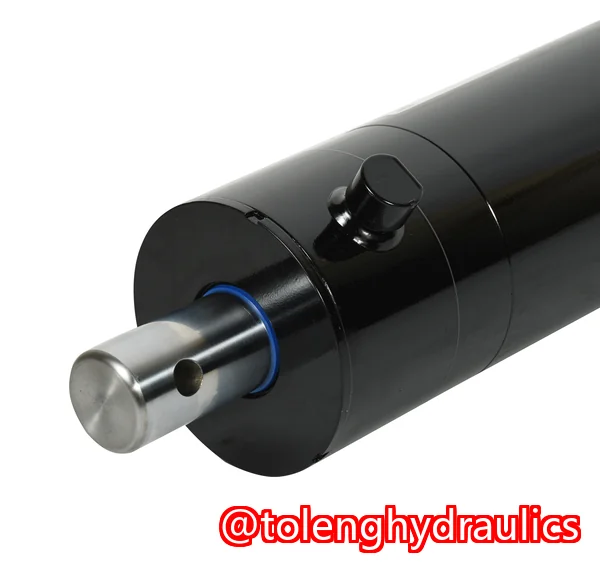
The Hidden Cost of Low-Quality Hydraulic Cylinders
Hydraulic cylinders are fundamental components of heavy machinery, and they work under immense pressure. When sourcing these parts, it’s easy to focus on the price tag and overlook the critical factors that determine performance. However, cutting corners on quality can be incredibly costly in the long run.
Common problems that arise from poor-quality cylinders include:
-
Premature seal failure: This leads to oil leaks, loss of pressure, and compromised performance.
-
Rod damage: Improperly finished or poorly hardened rods can lead to pitting, which damages seals and decreases efficiency.
-
Bore finish issues: If the cylinder’s bore is not finished correctly, it accelerates wear on internal components, reducing the service life.
These issues are not only inconvenient but can also cause severe damage to other machinery parts. That’s why evaluating the quality of hydraulic cylinders before you purchase is essential for preventing breakdowns and saving on long-term repair costs.
How to Spot Quality Hydraulic Cylinders
With so much at stake, how can you tell the difference between a good and bad hydraulic cylinder? Let me walk you through the most important areas to check during the inspection process.
1. Inspect the Cylinder Tube Material and Bore Finish
The first thing to look at is the cylinder tube. It’s the primary housing for the piston and rod, and its material plays a significant role in durability and performance. Quality hydraulic cylinders are typically made from high-strength steel alloys, which provide better resistance to wear, corrosion, and pressure.
-
Bore finish: A smooth, consistent bore finish is essential for minimizing friction between the piston and the cylinder walls. Inconsistent or rough bores lead to excessive wear, resulting in leaks and a shorter cylinder lifespan.
-
Bore size: Always verify the bore size to ensure compatibility with your machinery. It’s easy to assume that all cylinders of the same nominal size are the same, but small discrepancies can cause big issues down the line.
2. Evaluate the Piston Rod
Next, focus on the piston rod. This part of the hydraulic cylinder takes the brunt of the force, so its quality is critical for long-term performance.
-
Hardness: The piston rod must be hardened to resist wear and prevent surface damage. Use a hardness tester or consult the manufacturer’s specifications to confirm that the rod has been properly heat-treated.
-
Chrome plating thickness: A thick layer of chrome plating helps prevent corrosion and wear, especially in harsh environments like construction and agriculture.
-
Surface finish: The rod’s surface finish should be smooth and free from pitting or imperfections. A rough finish can damage seals and lead to leaks.
3. Inspect Seal Types and Materials
The seals are arguably the most crucial components of a hydraulic cylinder, as they prevent leaks and maintain pressure. However, not all seals are created equal.
-
Seal materials: Different materials are suited for different applications. For example, Viton seals are excellent for high-temperature environments, while polyurethane seals are more suited to heavy-duty, abrasive conditions.
-
Seal installation: Look for properly installed, tightly fitting seals. Poor seal placement can cause leaks, even if the seals themselves are of high quality.
4. Check the Weld Quality
Welding is one area where many manufacturers cut corners. Poor welds lead to weak points that can break under pressure, causing catastrophic cylinder failure.
-
Weld integrity: Check for smooth, uniform welds with no signs of cracking, porosity, or excessive spatter.
-
Weld type: Ensure that the welds used to join the cylinder tube to the end caps are of high quality, as these are often stress points.
5. Assess Mounting Styles and Fitting Quality
Cylinder mounting styles (such as welded, tie-rod, or flange mounts) determine the stability and strength of the hydraulic cylinder. Make sure that:
-
The mounting style is appropriate for your machinery and operational needs.
-
Port threads and fittings are clean and precise. Cross-threaded or poorly fitted ports can lead to leaks and system failures.
Practical Tips for Hydraulic Cylinder Inspection
Once you understand the key areas to check, it’s time to apply these principles. Here are some practical tips for performing your own hydraulic cylinder inspection:
-
Measuring bore size: Use a caliper or micrometer to check the bore size and ensure that it matches your machinery’s requirements. Be meticuloussmall deviations can cause major issues.
-
Rod straightness: Use a dial indicator to check for rod straightness. A bent rod can lead to premature seal failure and uneven wear.
-
Checking for defects: Look for any surface defects like pitting, scoring, or rust. These issues can damage seals and cause leaks.
-
Inspecting welds: Run your hands over the welds to check for roughness or irregularities. A high-quality weld should feel smooth and even.
The Importance of Choosing High-Quality Hydraulic Cylinders
Why does all of this matter? The benefits of choosing high-quality hydraulic cylinders are undeniable:
-
Reduced downtime: A well-built hydraulic cylinder is less likely to fail prematurely, keeping your equipment running smoothly and reducing maintenance interruptions.
-
Lower maintenance costs: Identifying potential quality issues before purchase means fewer repairs and replacements, saving your company money over time.
-
Extended service life: Properly inspecting and selecting quality cylinders ensures they perform at peak efficiency for years.
Conclusion: How to Make the Right Choice
In conclusion, I highly recommend following these inspection guidelines to ensure any hydraulic cylinder purchase delivers long-term reliability and performance. Don’t take shortcuts when it comes to equipment quality. By paying attention to detail and choosing cylinders built to last, you can avoid costly downtime and ensure that your machinery operates at its best.
For a reliable selection of high-quality hydraulic cylinders, check out our range at 🔗 Toleng Hydraulics. We offer comprehensive resources, including detailed inspection tools, to help you make informed decisions and protect your equipment.
FAQs
How can I tell if a hydraulic cylinder has quality seals?
Quality seals should fit tightly and be made of durable materials that are appropriate for your application. Look for signs of wear or gaps, which can indicate poor seal quality.
What rod surface finish is best for long seal life?
A smooth, polished surface finish is ideal for reducing friction and extending seal life. Rough or pitted rods cause excessive wear on seals, leading to leaks.
How do I measure bore size and stroke length correctly?
Use a caliper or micrometer to measure the bore size, ensuring it matches your machinery’s specifications. The stroke length can be measured by extending the piston fully and noting the total movement.
What are the signs of a poorly manufactured cylinder?
Signs include inconsistent bore finish, poor welds, pitting or corrosion on the rod, and improperly installed or damaged seals.
Which cylinder mounting styles are strongest?
Welded cylinders are generally the strongest, followed by tie-rod cylinders. However, the best choice depends on your specific application and machinery.
How do I choose between welded and tie-rod cylinders?
Welded cylinders are more durable and suited for heavy-duty applications, while tie-rod cylinders are easier to maintain and repair.
What chrome plating thickness should I look for on rods?
Look for a chrome plating thickness of at least 0.0025 inches (0.0635 mm) for optimal protection against corrosion and wear.
Tags or Keywords
hydraulic cylinder quality, cylinder seals, rod finish, bore size, hydraulic cylinder maintenance, cylinder inspection, welded hydraulic cylinder, tie-rod cylinder, hydraulic cylinder buying guide, cylinder failure prevention, hydraulic cylinder materials

