
Welded Hydraulic Cylinders vs Tie-Rod: Which Lasts Longer?
When you’re on a construction site, overseeing heavy machinery, or managing agricultural equipment, nothing is more frustrating than a hydraulic cylinder failing unexpectedly. I’ve seen it firsthandone moment, a loader arm is lifting tons of material, and the next, a leaking cylinder brings operations to a screeching halt. Premature seal failure, bent rods, and internal leaks aren’t just inconvenientthey can halt production, cost thousands in repairs, and create serious safety hazards. The real challenge? Not all hydraulic cylinders are built the same, and distinguishing a durable, high-quality cylinder from a subpar one isn’t always obvious.
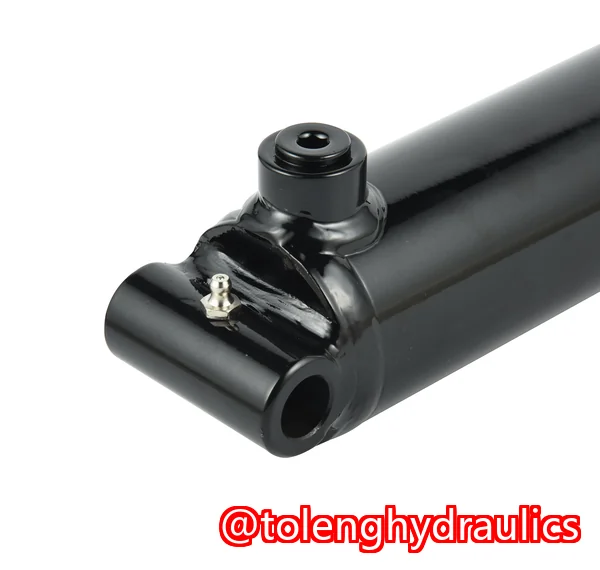
Over the years, I’ve learned that understanding the differences between welded hydraulic cylinders and tie-rod cylindersand knowing what to inspectcan make all the difference in equipment reliability and longevity. Here’s my guide to evaluating cylinder quality, avoiding failures, and making informed purchases.
Common Pain Points When Choosing Hydraulic Cylinders
Even experienced engineers often face uncertainty when sourcing hydraulic cylinders. Here are some recurring issues I’ve encountered:
1. Appearance Can Be Deceptive
A shiny, chrome-plated rod might look impressive, but appearances alone won’t tell you about the internal quality. Cylinders with uneven bore finishes, soft piston rods, or substandard seals can fail even if they look premium on the outside.
2. Uncertainty About Seal Materials and Compatibility
Seals are the lifeline of any cylinder. Using the wrong seal material for your hydraulic fluid or operating temperature can lead to premature leakage. Buyers often struggle to differentiate between high-quality polyurethane, nitrile, or fluorocarbon seals.
3. Inconsistent Bore and Rod Finishes
A cylinder’s internal bore and rod finish directly affect its service life. Poor bore polishing or insufficient rod hardening can lead to scoring, accelerated wear, and leaks. Even minor deviations in chrome plating thickness or surface smoothness can drastically reduce cylinder longevity.
Welded vs Tie-Rod Cylinders: What You Need to Know
Understanding the construction of a cylinder is the first step in predicting durability.
Welded Hydraulic Cylinders are built with the cylinder barrel welded directly to the end caps. This design eliminates external tie rods and creates a compact, robust unit. Welded cylinders excel in applications where space is limited and higher pressure ratings are needed.
Tie-Rod Cylinders use long threaded rods to hold the cylinder end caps in place. They’re easier to repair and disassemble, which is why they’re common in industrial machinery. However, tie-rod cylinders can loosen over time, and the rods themselves are susceptible to corrosion if not properly maintained.
In terms of longevity, a properly manufactured welded cylinder often outlasts a tie-rod model in heavy-duty, high-pressure scenarios. But if maintenance access and serviceability are priorities, tie-rod cylinders have their advantages.
How I Inspect Hydraulic Cylinder Quality
Over the years, I’ve developed a practical, step-by-step approach to evaluate cylinders before purchase or installation. Here’s what I look for:
1. Cylinder Tube and Bore Finish
-
Material: High-quality cylinders use seamless or honed steel tubing, which resists internal wear.
-
Bore Finish: A polished, uniform bore prevents seal abrasion. I always run a finger or soft cloth along the interior (if accessible) to feel for irregularities.
-
Consistency: Any ridge, scratch, or uneven surface can accelerate seal wear.
2. Piston Rod Hardness and Chrome Plating
-
Surface Finish: Smooth rods reduce friction on seals. I look for rods polished to a mirror finish, ideally in the range of 0.20.5 m roughness.
-
Chrome Plating Thickness: Thicker chrome (typically 0.030.05 inches) protects against corrosion and wear. Thin plating may peel or pit, leading to leaks.
-
Straightness: Even slight bends can cause seal failure. I roll rods on a flat surface to check alignment.
3. Seal Selection
-
Material Match: Polyurethane seals are tough and wear-resistant, ideal for high-pressure lifting applications. Nitrile works well for general industrial use, and fluorocarbon (Viton) suits high-temperature environments.
-
Type of Seal: Double-acting cylinders should have rod wipers, piston seals, and guide rings that match the application. Poorly installed or low-quality seals are a primary cause of premature failure.
4. Weld Quality and Mount Integrity
-
Visual Inspection: Look for clean, even welds without cracks, undercuts, or excessive spatter.
-
Load Points: End caps and mounting brackets should be reinforced and properly welded or bolted. I often tap around welds with a small malletsound changes can indicate voids or weak spots.
5. Ports and Fittings
-
Threaded ports should match standard hydraulic fittings without burrs. Poor threading or inconsistent port machining can lead to leaks under pressure.
Practical Tips for Accurate Measurement
Even the best cylinder can fail if you install it incorrectly. Here’s how I verify dimensions and avoid costly mistakes:
-
Bore Size: Measure using a telescoping gauge and micrometer for precise internal diameter. Avoid estimationsfractions of a millimeter matter.
-
Rod Diameter: Use a micrometer to check thickness along the rod’s length; variations may indicate poor manufacturing.
-
Stroke Length: Verify the full travel of the rod to ensure it matches equipment requirements.
-
Seal Inspection: Check for visible nicks, hardening, or discoloration, which indicate age or exposure to incompatible fluids.
Real-World Benefits of Thorough Inspection
Taking the time to inspect cylinders upfront pays off in several ways:
-
Prevent Costly Downtime: Identifying poor bore finishes or substandard rods before installation avoids operational halts.
-
Extend Service Life: Matching seals, rod finishes, and bore tolerances reduces wear and delays maintenance.
-
Reduce Maintenance Costs: Early detection of weak points means fewer emergency replacements and repair calls.
For example, I once supervised the replacement of a set of tie-rod cylinders on a material handler. The new units had inconsistent chrome plating and poorly polished bores. Predictably, two months later, we had seal failures that could have been avoided with pre-installation inspection.
Conclusion
Selecting between welded and tie-rod hydraulic cylinders doesn’t have to be a guessing game. By carefully inspecting cylinder materials, bore finish, rod hardness, seal types, and weld quality, you can confidently choose a cylinder that delivers long-term reliability.
I highly recommend following these inspection guidelines to ensure any hydraulic cylinder purchase delivers consistent performance and minimizes downtime. Don’t leave equipment reliability to chancetake the time to check what’s inside.
Browse our selection of high-quality hydraulic cylinders: 🔗 https://tolenghydraulics.com/contact/
Download our complete hydraulic cylinder inspection checklist today to streamline your evaluation process.
FAQs
Q1: How can I tell if a hydraulic cylinder has quality seals?
Look for consistent color and texture, proper fit in the gland, and seal material matched to your fluid and temperature range. Polyurethane seals usually indicate high durability.
Q2: What rod surface finish is best for long seal life?
A mirror-like finish of 0.20.5 m roughness reduces friction and wear. Avoid rods with scratches, pitting, or dull plating.
Q3: How do I measure bore size and stroke length correctly?
Use telescoping gauges and micrometers for bore measurements, and fully extend/retract the rod to verify stroke length matches specifications.
Q4: What are the signs of a poorly manufactured cylinder?
Look for uneven bore finishes, bent rods, thin chrome plating, low-quality seals, or inconsistent welds. Any of these can indicate reduced lifespan.
Q5: Which cylinder mounting styles are strongest?
Welded end mounts and reinforced trunnion or flange mounts handle higher loads better. Tie-rod cylinders are serviceable but may loosen under repeated stress.
Q6: How do I choose between welded and tie-rod cylinders?
Use welded cylinders for high-pressure, heavy-duty applications where compactness is critical. Choose tie-rod cylinders when serviceability and easy disassembly are priorities.
Q7: What chrome plating thickness should I look for on rods?
Ideally, 0.030.05 inches of hard chrome provides durability and corrosion resistance. Thinner plating risks peeling and premature rod wear.
Keywords/Tags:
hydraulic cylinder quality, cylinder seals, rod finish, bore size, hydraulic cylinder maintenance, cylinder inspection, welded hydraulic cylinder, tie-rod cylinder, hydraulic cylinder buying guide, cylinder failure prevention, hydraulic cylinder materials, hydraulic seal types

