
Choosing the Right Hydraulic Cylinder for Your Application
When it comes to purchasing hydraulic cylinders for heavy equipment, I’ve encountered more than my fair share of challenges. Whether it’s premature seal failure, rod damage, or hydraulic leaks, these issues can bring operations to a halt, costing valuable time and money. As an equipment owner, engineer, or procurement specialist, you’ll want to make sure that the hydraulic cylinders you choose are built to last and perform efficiently. In this guide, I’ll walk you through how to identify high-quality hydraulic cylinders, so you can avoid the headaches of premature failures and enjoy long-term reliability.
Understanding the Importance of Hydraulic Cylinder Quality
Hydraulic cylinders are at the heart of heavy machinerywhether it’s construction equipment, agricultural machinery, or industrial automation systems. They control the movement of various components and allow machines to function as designed. But not all hydraulic cylinders are created equal. A low-quality cylinder can lead to poor performance, downtime, and costly maintenance repairs. So, how do you know you’re getting a high-quality cylinder?
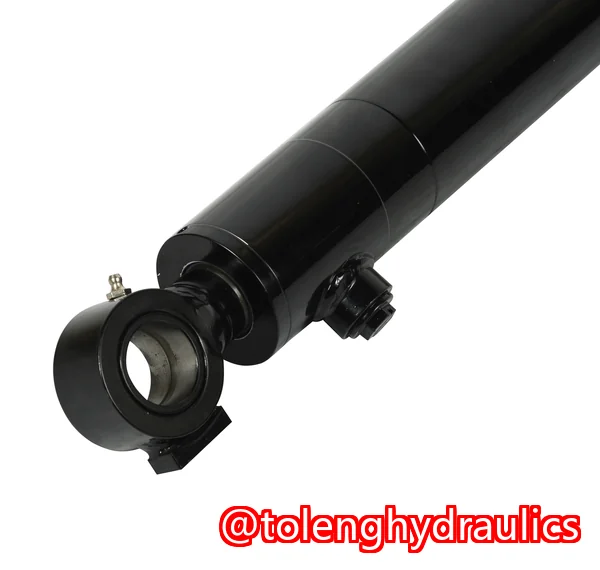
In my years of experience, I’ve learned that proper inspection and attention to key aspects of cylinder design can make all the difference. Let’s dive into some of the common pain points I’ve seen when evaluating hydraulic cylinders and how you can avoid them.
Common Pain Points in Hydraulic Cylinder Selection
1. Difficulty in Identifying Quality Cylinders
One of the biggest challenges I’ve seen is distinguishing between high-quality and low-quality cylinders. Often, the appearance can be misleading. A shiny exterior or glossy finish doesn’t always indicate a well-made product.
2. Uncertainty About Seals and Rod Surface Finishes
Cylinder seals are critical for preventing leakage and maintaining performance. However, many buyers struggle to understand what materials and finishes work best for their applications. The wrong choice here can result in leaks, reduced lifespan, and unnecessary repairs.
3. Premature Wear Due to Poor Bore Finishes
A cylinder’s bore finish is one of its most crucial components. A poor finish can cause excessive wear on the piston, leading to system inefficiencies and costly failures. Unfortunately, this is a common issue that’s difficult to detect without a proper inspection.
How to Inspect and Verify Hydraulic Cylinder Quality
Let’s get into the nitty-gritty of what to look for when inspecting hydraulic cylinders. By following these guidelines, you can ensure that your purchase delivers long-term reliability and performance.
1. Check the Cylinder Tube Material and Internal Bore Finish
The cylinder tube material is the backbone of the cylinder’s structural integrity. A high-quality tube material ensures strength and durability under pressure. Inspecting the internal bore finish is equally important. A smooth, consistent bore finish reduces friction and helps maintain efficient hydraulic flow. If you see any irregularities, such as scoring or rough surfaces, the cylinder could wear out prematurely.
Tip: Use a borescope or flashlight to look inside the cylinder tube for defects. A high-quality cylinder should have a smooth and even finish.
2. Inspect the Piston Rod Quality and Surface Finish
The piston rod is another critical component that requires attention. A well-made piston rod has a high level of hardness, which helps prevent surface damage under high pressure. It should also have a thick chrome plating to resist corrosion and wear.
Tip: Check for any visible signs of surface defects such as rust, pitting, or scratches. These imperfections can compromise the cylinder’s performance and lead to leaks.
3. Examine Seal Types and Materials
Cylinder seals are responsible for keeping hydraulic fluid contained within the cylinder. Different seal materials are suited to different applications, so it’s important to choose the right type for your specific needs. For example, polyurethane seals are often used in low-pressure applications, while PTFE (Teflon) seals are more suitable for high-temperature or high-pressure environments.
Tip: Always ensure the seals match the application requirements. Pay attention to their installation, too, as improper installation can cause immediate leakage and failure.
4. Verify the Weld Quality on Cylinder Ends and Mounts
The welding on the cylinder ends and mounts is another area to inspect carefully. Poor welds can weaken the cylinder and cause premature failure. A high-quality weld should be smooth and consistent, with no visible cracks or gaps.
Tip: Inspect welds closely for smoothness and uniformity. If there are visible signs of poor welding, it’s best to look for another cylinder.
5. Inspect the Mounting Style and Integrity
Hydraulic cylinders come in various mounting styles, such as clevis, flange, or trunnion mounts. Make sure the mounting style is appropriate for your equipment’s requirements. Additionally, check the integrity of the mounting points to ensure they’re free of cracks or damage that could compromise their strength.
Tip: Always confirm the mounting style aligns with your equipment’s design specifications to avoid misalignment or improper fitment.
Benefits of Proper Hydraulic Cylinder Inspection
By following these inspection methods, you can enjoy several benefits:
-
Avoid Costly Downtime: Identifying quality issues before purchase helps reduce the likelihood of equipment breakdowns and unexpected downtime.
-
Extend Cylinder Service Life: A proper inspection ensures that the cylinder is suited for your specific application, which will extend its lifespan and reduce the need for frequent replacements.
-
Lower Maintenance Costs: Preventative inspections can help identify potential failures early, saving you money in the long run by avoiding costly repairs and replacements.
Practical Tips for Hydraulic Cylinder Selection
Here are some quick tips to help you make informed decisions when purchasing hydraulic cylinders:
-
How to Measure Bore Size and Rod Diameter Accurately: Use calipers or micrometers to measure the inner bore diameter and rod diameter accurately. A small deviation can affect performance.
-
Identifying Signs of Poor Seal Quality: Check for soft or worn seals, as they won’t provide proper sealing and can lead to fluid leaks.
-
Inspecting for Rod Straightness: Use a level or a rod tester to check for straightness. A bent rod can lead to uneven wear and performance issues.
-
Checking Port Threads and Fitting Quality: Ensure the port threads are clean and free of burrs. Damaged threads can lead to leaks or poor connection.
Conclusion: Choosing a Reliable Hydraulic Cylinder
In my experience, hydraulic cylinders can make or break your equipment’s performance. By following the inspection methods outlined above, you’ll be in a much better position to choose reliable, high-quality cylinders that will stand the test of time. I highly recommend taking the time to inspect key components like the cylinder tube, piston rod, seals, and welds before making a purchase.
Ready to find the right hydraulic cylinder for your equipment? Browse our selection of high-quality hydraulic cylinders: Toleng Hydraulics.
For a comprehensive step-by-step inspection, download our complete hydraulic cylinder inspection checklist today to ensure you make the best choice for your application.
FAQ
1. How can I tell if a hydraulic cylinder has quality seals?
Look for seals made from durable materials like PTFE or polyurethane. Check for proper installation and ensure they sit snugly without gaps or signs of wear.
2. What rod surface finish is best for long seal life?
A smooth, polished chrome finish on the piston rod reduces friction and minimizes wear on seals, extending their life and preventing leakage.
3. How do I measure bore size and stroke length correctly?
Use a caliper to measure the bore’s inner diameter and a tape measure or ruler to determine stroke length. Ensure measurements align with your equipment’s specifications.
4. What are the signs of a poorly manufactured cylinder?
Poorly manufactured cylinders may have visible surface defects on the rod, welds, or cylinder tube. Look for signs of rust, cracks, or inconsistencies that could lead to premature failure.
5. Which cylinder mounting styles are strongest?
Welded or trunnion mounts are often considered stronger due to their robust design, while clevis and flange mounts are suitable for specific applications.
6. How do I choose between welded and tie-rod cylinders?
Welded cylinders are more durable and compact, making them ideal for high-pressure or high-performance environments. Tie-rod cylinders, on the other hand, are easier to maintain and replace but may not be as robust.
7. What chrome plating thickness should I look for on rods?
Look for a chrome plating thickness of at least 0.0015 inches to ensure proper corrosion resistance and durability under high pressure.
Keywords: hydraulic cylinder quality, cylinder seals, rod finish, bore size, hydraulic cylinder maintenance, cylinder inspection, welded hydraulic cylinder, tie-rod cylinder, hydraulic cylinder buying guide, cylinder failure prevention, hydraulic cylinder materials

