
How to Repack a Hydraulic Cylinder Step-by-Step Guide
When you’re working with heavy machinery, the last thing you want is a hydraulic cylinder failure during a critical operation. Whether it’s in construction, agriculture, or industrial machinery, hydraulic cylinders are essential components that enable smooth, efficient movement. However, if not properly maintained, they can develop issues like seal leaks, rod damage, or premature wear, all of which can lead to costly downtime. That’s why it’s crucial to learn how to inspect and repack your hydraulic cylinders.
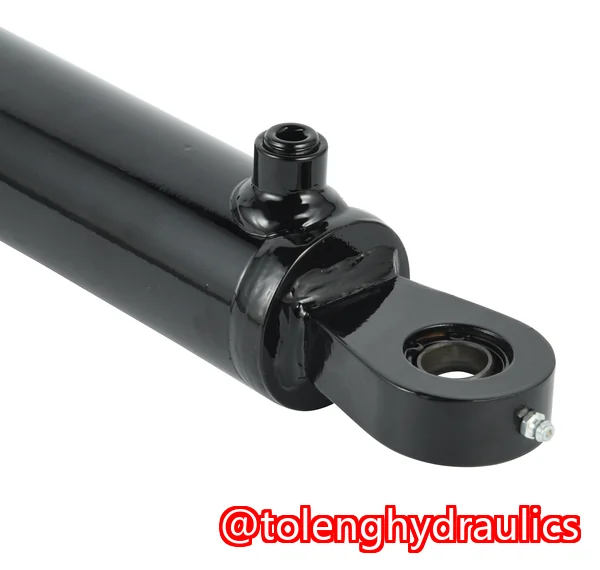
In this guide, I’ll walk you through how to identify high-quality hydraulic cylinders, check for common issues, and repack them to keep your equipment running smoothly. These tips will help you extend the life of your cylinders, reduce maintenance costs, and ultimately ensure that your equipment stays up and running, no matter the job.
Common Hydraulic Cylinder Issues
Before diving into the step-by-step guide, let’s take a look at some common problems that lead to hydraulic cylinder failure. The more familiar you are with these issues, the better equipped you’ll be to prevent them.
-
Seal Failure: One of the most common causes of hydraulic cylinder failure is poor or damaged seals. A compromised seal can lead to leakage, which reduces the cylinder’s efficiency and can damage the surrounding components.
-
Rod Damage: The piston rod is exposed to wear and tear due to constant friction, making it susceptible to corrosion and damage. A damaged rod can lead to poor performance, or worse, total failure.
-
Bore Wear: Over time, the internal bore of the cylinder can experience wear, especially if the hydraulic fluid isn’t properly maintained or if the cylinder is under constant stress. This can lead to reduced seal contact and less efficient movement.
Now, let’s look at how to repack a hydraulic cylinder and perform a quality inspection to prevent these issues.
Step-by-Step Guide to Repacking a Hydraulic Cylinder
Step 1: Inspect the Cylinder’s External Condition
Before opening up the hydraulic cylinder, you should inspect its external condition. Look for any visible signs of damage, such as cracks, dents, or rust. These could indicate more significant internal issues, which might affect the seal integrity or cylinder performance.
Step 2: Remove the Cylinder from the Equipment
Once you’ve assessed the external condition, the next step is to remove the hydraulic cylinder from your equipment. Use proper lifting techniques and tools to safely detach the cylinder. Ensure the hydraulic lines are securely capped to prevent contamination of the fluid.
Step 3: Disassemble the Cylinder
Carefully disassemble the cylinder by removing the gland nut and the cylinder cap. You should also remove the piston from the barrel. Make sure you keep track of the order and orientation of each part. It’s helpful to take a few pictures for reference during reassembly.
Step 4: Inspect the Rod and Piston
This is the time to thoroughly inspect the rod and piston for any signs of damage or wear.
-
Piston Rod: Check the surface of the piston rod for scratches, pits, or any signs of wear. The surface should be smooth and free from corrosion or damage.
-
Piston: Inspect the piston for any signs of scoring, damage, or wear on the sealing surfaces. If you find any issues, replace the piston immediately.
Step 5: Check the Cylinder Bore
Look inside the cylinder barrel. A clean, smooth bore is essential for proper sealing and fluid movement. Any grooves, scratches, or scoring in the bore can lead to seal damage or cylinder failure. If the bore is damaged, it may need to be honed or replaced.
Step 6: Replace Seals and O-Rings
Now that you’ve inspected the internal components, it’s time to replace the seals. Make sure you select the correct seal type for your application. There are many different seal types, such as lip seals, O-rings, and U-cups, each suited to different hydraulic systems.
-
Seal Material: The material of the seal is important. Rubber, polyurethane, and PTFE are common materials used for seals. Select the right one based on the type of hydraulic fluid and the operating conditions of your machinery.
-
Installation: When installing new seals, make sure they are seated properly and are free from any nicks or damage. Lubricate the seals with some of the hydraulic fluid to ensure a smooth installation.
Step 7: Inspect and Repack the Gland and End Caps
The gland and end caps should also be inspected for any signs of damage, wear, or excessive corrosion. If these parts are worn, replace them to ensure the cylinder maintains its integrity. Repack the gland with grease before reassembling the cylinder.
Step 8: Reassemble the Cylinder
Once everything has been inspected and the necessary parts have been replaced, it’s time to reassemble the cylinder. Carefully follow the reverse order of disassembly. Make sure that all parts are properly aligned and seated before tightening.
Step 9: Test the Cylinder
Before reinstalling the cylinder back onto the equipment, perform a functional test. This involves applying hydraulic pressure to the cylinder and ensuring that it operates smoothly without any leaks.
Step 10: Reinstall the Cylinder and Check for Leaks
Once you’ve tested the cylinder and confirmed everything is in working order, you can reinstall the cylinder onto the equipment. Make sure to check for any leaks during the installation. Tighten the hydraulic lines and recheck the seals for proper performance.
Best Practices for Hydraulic Cylinder Maintenance
Proper maintenance is crucial for extending the life of hydraulic cylinders. Here are some best practices to follow:
-
Regular Inspections: Inspect your hydraulic cylinders regularly to catch any potential issues early. Look for signs of seal wear, rod damage, or bore wear.
-
Use Proper Hydraulic Fluids: The type of fluid you use can affect the life of the seals and other internal components. Always use the manufacturer’s recommended fluid and ensure that it is kept clean.
-
Avoid Overloading: Overloading your machinery can put excessive strain on the hydraulic cylinder, leading to premature failure. Make sure to use the equipment within its specified load limits.
Why Proper Inspection and Maintenance Matter
By following these inspection and maintenance steps, you’re not just prolonging the life of your hydraulic cylinders; you’re also reducing the risk of costly downtime and repairs. A small investment in regular inspection and repacking can save you a significant amount of money in the long run.
When it comes to buying hydraulic cylinders, make sure you choose a reliable supplier that prioritizes quality and performance. Toleng Hydraulics is a great option for high-quality hydraulic cylinders that are designed to last and withstand the rigors of heavy-duty applications.
For more details on our full range of hydraulic products, check out our website at 🔗 Toleng Hydraulics.
FAQ
1. How can I tell if a hydraulic cylinder has quality seals?
Inspect the seals for any signs of wear, cracking, or leakage. Quality seals will have a smooth, uniform surface and will be made of durable materials like polyurethane or PTFE.
2. What rod surface finish is best for long seal life?
A smooth, hard chrome-plated surface is ideal for extending the life of seals. Avoid rods with rough surfaces or corrosion, as these can damage the seals.
3. How do I measure bore size and stroke length correctly?
Use a micrometer or caliper to measure the cylinder’s bore size, and a tape measure or caliper to measure the stroke length. Make sure your measurements are accurate to avoid compatibility issues.
4. What are the signs of a poorly manufactured cylinder?
Poorly manufactured cylinders often exhibit issues such as uneven welds, rough rod finishes, or inconsistent bore sizes. Look for signs of corrosion, weak seals, or faulty welds.
5. Which cylinder mounting styles are strongest?
Welded cylinder mounts are generally stronger and more durable than tie-rod mounts, making them ideal for heavy-duty applications. However, tie-rod cylinders are easier to service.
6. How do I choose between welded and tie-rod cylinders?
Welded cylinders are more durable and ideal for heavy applications, while tie-rod cylinders are easier to assemble and service. Consider the application and expected load when choosing between the two.
7. What chrome plating thickness should I look for on rods?
Look for a chrome plating thickness of at least 0.002 inches. A thicker coating can improve wear resistance and help prevent corrosion.
Conclusion
Maintaining hydraulic cylinders is essential for ensuring that your equipment operates at peak performance. By following the steps outlined above, you can repack and inspect your cylinders to prevent common failures, reduce downtime, and save money. And, when it’s time to buy, choose high-quality hydraulic cylinders from trusted manufacturers like Toleng Hydraulics to ensure your equipment stays reliable for years to come.
Ready to improve your hydraulic cylinder maintenance? 🔗 Browse our selection of high-quality hydraulic cylinders today!

