
Hydraulic Cylinder Seal Kits: A Guide to Replacement
When purchasing hydraulic cylinders for heavy machinery, I’ve seen firsthand how frustrating it can be when you end up with a cylinder that fails prematurely. The trouble often starts with something as seemingly simple as a leaking seal or a worn-out rod. In the world of construction, agriculture, or industrial machinery, downtime is costly, and ensuring your equipment stays operational requires quality hydraulic cylinders. That’s why understanding how to choose the right cylinder and properly maintain it can make all the difference between smooth operations and expensive repairs.
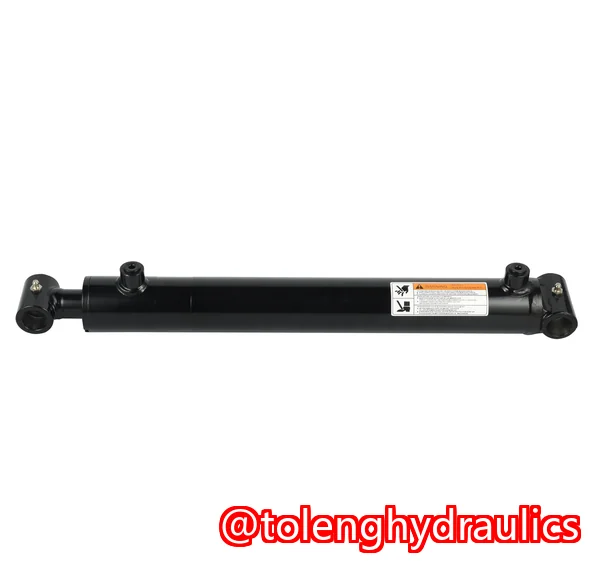
In this guide, I’ll walk you through how to evaluate hydraulic cylinders to avoid these frustrating issues. From inspecting seals to checking bore sizes and rod finishes, this article will give you practical, real-world advice for identifying high-quality cylinders before making your purchase.
Why Cylinder Quality Matters
One of the most common issues I’ve encountered when inspecting hydraulic systems is the premature failure of seals. This often leads to oil leaks, compromised pressure, and ultimately, equipment failure. Seals are critical to a hydraulic cylinder’s performance, so understanding what makes a good seal kit and knowing how to replace it properly can prevent major headaches down the line.
Additionally, the quality of the cylinder’s rod and bore finish play a huge role in the longevity of the system. If the rod surface isn’t smooth or the bore finish is inconsistent, it can cause the seals to wear out prematurely, resulting in higher maintenance costs.
Common Pain Points and Solutions
Here are a few common pain points that I’ve found equipment owners and maintenance teams often face when it comes to hydraulic cylinders:
-
Difficulty Distinguishing Cylinder Quality
It’s easy to be swayed by the outward appearance of a cylinder, but looks aren’t everything. A shiny exterior or a well-painted surface doesn’t necessarily mean the cylinder is of high quality. The real test is in the internal materials, seal design, and manufacturing standards.
Solution:
Always check the internal bore and rod finish. A smooth, even finish is crucial for reducing wear on seals. If possible, inspect the cylinder’s internal components for material defects like pitting or corrosion.
-
Uncertainty about Seal Types and Materials
Not all seals are created equal. Depending on the applicationwhether it’s construction, agriculture, or industrial usethe seals should be suited to the type of fluid being used, pressure levels, and environmental factors like temperature and exposure to chemicals.
Solution:
Understand the materials used in the seals and whether they’re appropriate for the intended use. Some seals are better for high-pressure systems, while others might be better suited for applications where contamination is a concern.
-
Inconsistent Bore Finishes Causing Premature Wear
A rough bore finish can cause rapid wear on the seals, leading to leakage and system failure.
Solution:
Look for cylinders with a honed bore finish. Honing is a process that smooths out the surface, ensuring better performance and a longer lifespan. If you’re uncertain, it’s worth asking the supplier to provide more details about the bore finish and how it’s treated.
Practical Tips for Hydraulic Cylinder Inspection
When it comes to inspecting a hydraulic cylinder, taking a few simple steps can ensure that you’re getting a product that will last. Here are some key things to look out for:
1. Inspect the Cylinder Tube Material
The material used for the cylinder tube should be durable enough to withstand the pressures and forces of the application. The material should also be resistant to corrosion, as this can significantly reduce the lifespan of the cylinder.
2. Check the Piston Rod Hardness and Chrome Plating
The piston rod is one of the most critical parts of the hydraulic cylinder. If the rod is too soft, it can be easily damaged, causing the seals to wear out prematurely. Conversely, if the chrome plating is too thick, it can lead to poor seal performance.
When inspecting the piston rod, measure the rod’s diameter, look for surface defects like pitting or scratches, and check the hardness. A good-quality rod should have a consistent chrome plating thickness, usually around 20 microns or more.
3. Evaluate Seal Types and Materials
Different seal types are designed for different applications. For instance, elastomer seals are often used for lighter-duty applications, while more durable materials like polyurethane or PTFE might be necessary for high-pressure systems or extreme temperatures.
When evaluating seals, make sure to confirm their material compatibility with your equipment’s fluid type and operating environment.
4. Examine Weld Quality
Poor welds can compromise the integrity of the entire hydraulic cylinder. Look for consistent, smooth welds with no signs of cracks or voids. Any defects in the weld could lead to failures under pressure.
5. Inspect Port Threads and Fittings
Improperly machined threads can lead to leaks, which, in turn, can cause loss of pressure and reduced efficiency. Check the port threads and fitting quality to ensure they’re well-machined and that all connections are tight and secure.
6. Measure Bore Size and Stroke Length
It’s crucial to measure the bore size and stroke length accurately. Incorrect measurements can lead to improper cylinder operation and may result in the cylinder not fitting correctly within the system.
7. Look for Rod Straightness
Rod straightness is key to ensuring proper seal function and reducing wear. A bent rod can cause uneven pressure distribution, which increases the risk of seal damage and leakage.
The Importance of Proper Cylinder Maintenance
Proper maintenance of hydraulic cylinders isn’t just about replacing seals when they wear out. It’s about being proactive and identifying potential issues before they become costly problems. Regular inspections, including checking for signs of leaks, corrosion, and wear, can go a long way in extending the life of your equipment and minimizing downtime.
One of the simplest ways to reduce maintenance costs is by selecting high-quality hydraulic cylinders in the first place. By focusing on the factors mentioned aboveseal quality, rod surface finish, bore consistency, and weld integrityyou can ensure that your equipment runs smoothly for years to come.
Conclusion: Don’t Skip the Inspection
From my experience, I highly recommend following these inspection guidelines to ensure any hydraulic cylinder purchase delivers long-term reliability and performance. I know firsthand how costly it can be when something as simple as a leaking seal or damaged rod brings your operations to a halt. By taking the time to inspect these critical components, you’ll avoid costly downtime, extend cylinder life, and ultimately save money on repairs and replacements.
Browse our selection of high-quality hydraulic cylinders at 🔗 Toleng Hydraulics to ensure your next purchase is a smart one. Also, don’t forget to download our complete hydraulic cylinder inspection checklist today!
FAQs
-
How can I tell if a hydraulic cylinder has quality seals?
Quality seals should be made from durable materials like polyurethane or PTFE, designed for the specific application. Inspect the seals for cracks, tears, or any other visible damage.
-
What rod surface finish is best for long seal life?
A smooth, even chrome plating is essential for long seal life. The surface should be free of scratches, pits, or other imperfections.
-
How do I measure bore size and stroke length correctly?
Use a caliper or micrometer to measure the bore size, and a tape measure to check the stroke length. Be sure to measure at both ends of the stroke to ensure consistency.
-
What are the signs of a poorly manufactured cylinder?
Signs include rough or uneven welds, poor-quality threads, inconsistent rod finish, or uneven bore size. Any of these defects can lead to premature failure.
-
Which cylinder mounting styles are strongest?
Welded cylinders tend to be stronger and more durable than tie-rod cylinders, especially in high-pressure applications.
-
How do I choose between welded and tie-rod cylinders?
Welded cylinders are often better for high-pressure and heavy-duty applications, while tie-rod cylinders may be more cost-effective for lighter-duty tasks.
-
What chrome plating thickness should I look for on rods?
A chrome plating thickness of at least 20 microns is ideal for most applications. Thicker plating may be necessary for high-pressure systems.
Tags: hydraulic cylinder quality, cylinder seals, rod finish, bore size, hydraulic cylinder maintenance, cylinder inspection, welded hydraulic cylinder, tie-rod cylinder, hydraulic cylinder buying guide, cylinder failure prevention, hydraulic cylinder materials

