
Signs Your Hydraulic Cylinder Needs Repair or Replacement
When you’re working with heavy machinerywhether it’s in construction, agriculture, or industrial operationshydraulic cylinders play a pivotal role in ensuring smooth functionality. However, even the best cylinders can face wear and tear over time. One of the most frustrating scenarios is when your hydraulic cylinder fails prematurely, leading to costly downtime and repairs. As someone who’s been in the business for a while, I’ve seen firsthand how tricky it can be to tell whether a cylinder needs repair or full replacement. In this post, I’ll walk you through the key signs to look for when evaluating your hydraulic cylinders and offer practical tips on ensuring they continue to perform at their best.
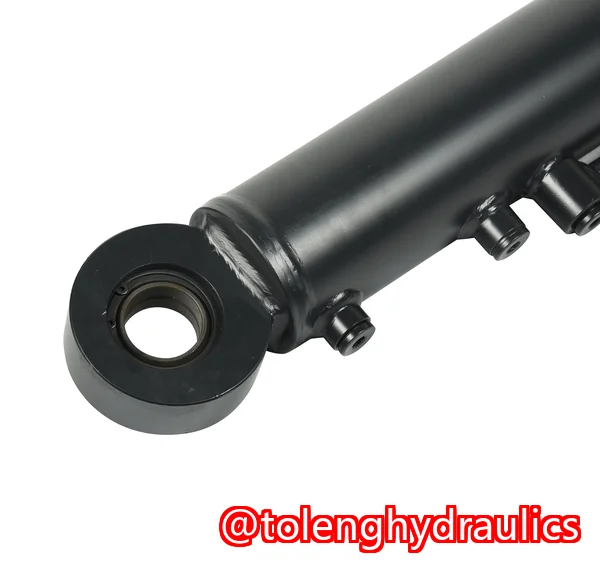
Understanding Hydraulic Cylinder Failures
Hydraulic cylinders are integral to many heavy-duty machinesthink backhoes, excavators, and material handling equipment. They convert fluid energy into mechanical force to move various components. But like any piece of equipment that experiences constant pressure and motion, hydraulic cylinders are vulnerable to wear, especially when they’re not properly maintained or inspected before use.
I’ve personally witnessed operations grind to a halt because of premature seal failures, leaking cylinders, or damaged rods. The stress these failures cause can quickly escalate from an inconvenient issue to a major repair project. And that’s where the importance of identifying quality issues before they become full-blown problems comes in.
Common Hydraulic Cylinder Pain Points
When it comes to hydraulic cylinder quality, there are a few pain points that tend to cause the most trouble:
-
Cylinder Seals Seals are critical for preventing leaks and maintaining pressure within the system. Poor-quality seals can quickly degrade, causing leaks and loss of efficiency.
-
Rod Finish and Damage The piston rod’s surface finish is crucial. A rough or damaged rod can lead to premature seal failure and cylinder malfunction.
-
Inconsistent Bore Finish A smooth internal bore is essential to the performance of the cylinder. Any imperfections or wear can lead to poor sealing and a reduction in the cylinder’s lifespan.
These issues often stem from either low-quality materials or improper manufacturing processes. So how can you ensure you’re getting a high-quality hydraulic cylinder?
Inspecting Hydraulic Cylinders: Step-by-Step
To avoid costly mistakes and ensure the longevity of your hydraulic cylinders, it’s essential to perform a few simple but effective inspections before making a purchase or during routine maintenance. Here’s a breakdown of what to look for when evaluating cylinder quality:
1. Check the Cylinder Tube Material and Bore Finish
A cylinder tube’s material must be able to withstand high-pressure hydraulic fluids. Inspecting the internal bore finish is essential to ensuring long-term performance. Look for:
-
Smoothness: Any roughness can lead to accelerated wear and tear on seals.
-
Surface imperfections: Look for scratches, gouges, or pitting. These imperfections can reduce seal efficiency and lead to leaks.
A quality cylinder, like the ones from Toleng hydraulics, will have a high-quality, smooth bore that’s free from imperfections, increasing its lifespan and reducing maintenance needs.
2. Inspect the Piston Rod’s Hardness and Chrome Plating
The piston rod is one of the most stressed components in a hydraulic cylinder. The surface finish and coating (usually chrome) are critical for ensuring it resists wear and corrosion. When inspecting:
-
Chrome Plating Thickness: Too thin and it can wear off quickly; too thick and it can chip or crack.
-
Surface Finish: A smooth, mirror-like finish is ideal for reducing friction and preventing seal degradation.
A rod that’s poorly finished or made from subpar materials can cause immediate and long-term damage to the cylinder seals, which will shorten the entire unit’s lifespan.
3. Evaluate Seal Types and Materials
Seals are the unsung heroes of hydraulic cylinders. They maintain pressure, prevent leaks, and keep contaminants out. However, not all seals are created equal. When inspecting seals, check for:
-
Material Compatibility: Choose seals that are compatible with the fluid type (e.g., oil, water, etc.) and the operating temperature range.
-
Wear Resistance: Look for seals that have a high resistance to wear and chemical degradation.
-
Installation Integrity: Even the best seals will fail if they’re improperly installed. Ensure they’re positioned correctly and haven’t been damaged during installation.
4. Inspect Weld Quality on Cylinder Ends and Mounts
Welds are essential to the structural integrity of hydraulic cylinders. Inspect for:
-
Cracks or Gaps: Check welds for cracks that might compromise the cylinder’s strength.
-
Uniformity: Uneven welds may indicate poor manufacturing practices and could lead to premature cylinder failure.
5. Verify the Cylinder Mounting Style
Hydraulic cylinders can come with different mounting styleswelded, tie-rod, flange, or others. The mounting style significantly impacts the cylinder’s durability and performance, particularly under heavy load conditions. For added stability and long-term reliability, welded hydraulic cylinders are often the preferred choice for heavy-duty applications. They offer superior strength compared to tie-rod cylinders, which are better suited for lighter applications.
Why Proper Inspection Matters
A thorough inspection process offers several key benefits:
-
Avoiding Costly Downtime: By identifying cylinder issues early, you can avoid the expensive downtime that comes with unexpected failures.
-
Increasing Equipment Lifespan: A quality cylinder, when properly maintained and selected, can last for years, saving you money in the long run.
-
Reducing Maintenance Costs: By selecting high-quality hydraulic cylinders from the start, you reduce the need for frequent repairs and replacements.
Practical Tips for Hydraulic Cylinder Inspections
Here are a few practical tips you can use when inspecting your hydraulic cylinders:
-
Measure Bore Size and Rod Diameter: Accurate measurements are critical. Use a caliper to ensure the bore size and rod diameter match the specifications.
-
Check for Rod Straightness: A bent rod can lead to uneven pressure distribution, causing seals to fail prematurely. Use a straightedge or a micrometer to check for any bending.
-
Inspect Port Threads and Fitting Quality: Poorly machined threads can lead to leaks and other operational issues. Check that threads are clean and free from damage.
Conclusion: Selecting Reliable Hydraulic Cylinders
As you can see, selecting the right hydraulic cylinder requires careful inspection and attention to detail. The last thing you want is to deal with an unexpected cylinder failure that could have been prevented with proper evaluation upfront.
I highly recommend following these inspection guidelines to ensure any hydraulic cylinder purchase delivers long-term reliability and performance. If you’re in the market for high-quality hydraulic cylinders, be sure to check out the Toleng hydraulics selection for products that are designed to withstand tough applications and provide long-lasting value.
For more information, or to browse our collection of premium hydraulic cylinders, visit 🔗 Toleng Hydraulics today.
FAQs
1. How can I tell if a hydraulic cylinder has quality seals?
Look for seals that are made from durable materials like polyurethane or nitrile. High-quality seals will also be properly installed with no signs of deformation, damage, or poor fit.
2. What rod surface finish is best for long seal life?
A smooth, mirror-like finish is ideal for reducing friction and preventing seal damage. This finish helps maintain a proper seal and increases the cylinder’s lifespan.
3. How do I measure bore size and stroke length correctly?
Use a caliper to measure the bore size. Ensure the stroke length matches the specifications for the cylinder’s intended use. Any discrepancies could lead to performance issues.
4. What are the signs of a poorly manufactured cylinder?
Look for visible weld defects, rough rod finishes, inconsistent bore sizes, or faulty seals. Poorly manufactured cylinders are more prone to premature failure and leaks.
5. Which cylinder mounting styles are strongest?
Welded cylinders are typically stronger and more durable than tie-rod cylinders, especially for heavy-duty applications.
6. How do I choose between welded and tie-rod cylinders?
Welded cylinders are best for high-load, heavy-duty applications, while tie-rod cylinders work well for lighter-duty machinery. Consider the cylinder’s application when making a decision.
7. What chrome plating thickness should I look for on rods?
A chrome plating thickness of 0.002 to 0.004 inches is typically ideal for most hydraulic cylinders, offering the right balance of durability and performance.
Tags or Keywords
-
hydraulic cylinder quality, cylinder seals, rod finish, bore size, hydraulic cylinder maintenance, cylinder inspection, welded hydraulic cylinder, tie-rod cylinder, hydraulic cylinder buying guide, cylinder failure prevention, hydraulic cylinder materials

