
How to Bleed Air from a Hydraulic Cylinder
When working with hydraulic systems, one issue that often causes a headache is air trapped inside a hydraulic cylinder. Air can create erratic movements, reduce system efficiency, and cause premature wear on seals and other components. Whether you’re managing heavy equipment on a construction site or maintaining industrial machinery, learning how to properly bleed air from a hydraulic cylinder is crucial for maximizing performance and avoiding costly repairs.
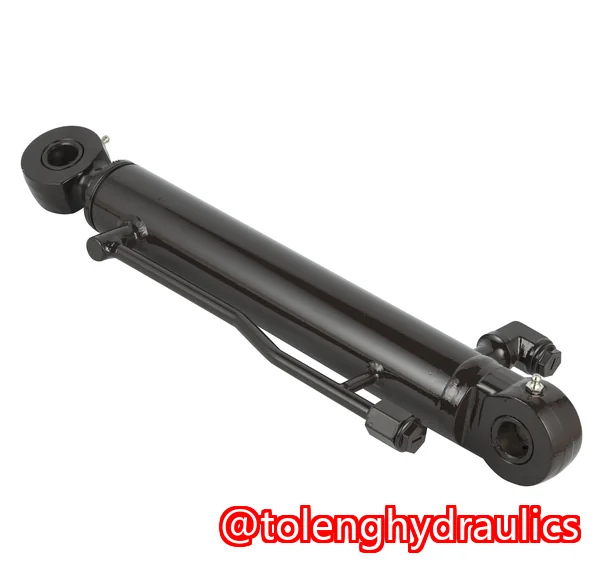
I’ve seen firsthand how air in the system can cause problems, especially when it leads to slow or inconsistent movement. If left unchecked, trapped air can even cause system failure. Luckily, bleeding air from a hydraulic cylinder isn’t as complicated as it sounds. With the right approach and attention to detail, you can keep your machinery running smoothly. Let’s walk through how to do this efficiently, along with some best practices for inspecting and maintaining your hydraulic cylinders to avoid these issues in the first place.
Common Hydraulic Cylinder Problems
Before diving into the step-by-step process of bleeding air, it’s essential to understand why air gets trapped in hydraulic systems in the first place. In my experience, air can enter the system due to several reasons:
-
Incorrect Fluid Levels: If the fluid levels are low, air can get drawn into the system when the hydraulic pump operates.
-
Damaged Seals: Worn-out or damaged seals can allow air to enter, especially around the rod or the cylinder cap.
-
Leaks in the System: Even small leaks around fittings or hose connections can let air in and affect performance.
-
Improper Installation or Maintenance: Sometimes, issues arise when cylinders are incorrectly installed or when maintenance routines aren’t followed properly.
When air enters the hydraulic system, it can result in problems like poor cylinder performance, slow response times, erratic movement, or even complete failure. This is why it’s crucial to not only bleed the air but also identify the root cause to prevent the issue from recurring.
How to Bleed Air from a Hydraulic Cylinder
Bleeding air from a hydraulic cylinder is a straightforward process, but it does require attention to detail. Here’s how to do it:
Step 1: Identify the Bleed Valve Location
Most hydraulic cylinders come with a bleed valve specifically designed for this purpose. If you’re not sure where it is, check your equipment’s manual or consult the manufacturer. For Toleng hydraulic cylinders, the bleed valve is typically located on the cylinder body or near the cylinder head, often close to the cylinder’s rod.
Step 2: Prepare the System
Before starting, make sure the hydraulic system is turned off and the equipment is in a safe position. This will prevent any unexpected movements while you’re working. You should also check the fluid levels and top up if necessary. Low fluid can make bleeding less effective, so it’s essential that the system is filled to the correct level.
Step 3: Open the Bleed Valve
Using the appropriate tool, slowly open the bleed valve on the hydraulic cylinder. At this point, hydraulic fluid (along with any trapped air) should begin to flow out of the valve. Be prepared for fluid to spill, so have a suitable container or cloth to catch any excess fluid. The key is to release the air slowly and gradually, not all at once.
Step 4: Operate the Cylinder
While the valve is open, operate the hydraulic cylinder by extending and retracting it a few times. This allows the trapped air to escape through the valve. Keep an eye on the fluid exiting the valveonce you see a steady stream of fluid without bubbles, you know that the air has been sufficiently bled out.
Step 5: Close the Bleed Valve
Once the air has been expelled and only fluid is flowing, close the bleed valve tightly. Be sure to check for any leaks around the valve or other parts of the cylinder.
Step 6: Check System Performance
With the air bled from the cylinder, check the performance of the hydraulic system. The cylinder should move smoothly, without hesitation or jerking. If the problem persists, you might need to repeat the process or look for underlying issues such as leaks, faulty seals, or low hydraulic fluid.
Practical Tips for Hydraulic Cylinder Maintenance
While bleeding air is an essential maintenance step, it’s not the only thing you need to do to keep your hydraulic cylinders in top shape. Here are some practical tips that I’ve found useful over the years to ensure hydraulic cylinders work effectively and last longer:
-
Inspect Cylinder Seals Regularly: Poor seals are a common cause of air leaks. I recommend checking seals for any visible wear or damage, especially if you notice leaks around the rod or cylinder head.
-
Check Rod Surface Finish: The rod surface finish is critical to seal life. A rough or pitted rod can damage seals and cause leaks, leading to air ingress. Always inspect the rod for smoothness and absence of scratches or corrosion.
-
Verify Bore Finish: An improperly finished cylinder bore can lead to premature wear of the seals and piston. Make sure the cylinder bore is smooth and free from any imperfections.
-
Maintain Proper Fluid Levels: Low fluid levels can not only let air into the system but also cause pump cavitation and increased wear on all hydraulic components. Always ensure that your hydraulic fluid is at the recommended level.
-
Check for Leaks: Small leaks around fittings, hoses, and valves can introduce air into the system. Regularly inspect these areas to avoid issues.
By taking these steps, you’ll be able to spot potential problems before they turn into costly repairs. Regular maintenance will also help extend the service life of your cylinders and reduce downtime.
Why Choose Toleng Hydraulics?
When purchasing hydraulic cylinders, it’s essential to choose high-quality products that are built to last. At Toleng Hydraulics, we take pride in our comprehensive guide and inspection tools that help engineers, maintenance professionals, and equipment buyers evaluate the true quality of hydraulic cylinders.
Our products are designed for durability and high performance, whether you’re using them in construction equipment, agricultural machinery, industrial automation, or mobile hydraulics. Toleng cylinders are rigorously inspected to ensure that materials, seals, rod finishes, and mounting styles are up to the highest standards. By choosing Toleng, you’re investing in reliable, long-lasting hydraulic cylinders that will help you avoid common issues like seal leakage, premature wear, and system downtime.
Visit 🔗 Toleng Hydraulics to browse our selection of high-quality hydraulic cylinders.
FAQ
How can I tell if a hydraulic cylinder has quality seals?
-
Quality seals should be made from durable materials like polyurethane or nitrile rubber. They should fit tightly and be free from cracks or tears. To inspect, check for any signs of leakage around the rod or cylinder head.
What rod surface finish is best for long seal life?
-
A smooth, mirror-like finish is ideal for minimizing wear on seals. A rough or scratched surface can damage seals, leading to leakage and air ingress.
How do I measure bore size and stroke length correctly?
-
To measure the bore size, use a micrometer to measure the internal diameter of the cylinder bore. For stroke length, extend the rod fully and measure the distance from the base of the cylinder to the end of the rod.
What are the signs of a poorly manufactured cylinder?
-
Common signs include uneven welds, poor seal fitment, rough or pitted rod surfaces, and inconsistent bore finishes. These defects can lead to premature failure and reduced performance.
Which cylinder mounting styles are strongest?
-
Welded cylinders are generally more robust and durable, especially in heavy-duty applications. Tie-rod cylinders are versatile and easier to repair but may not handle extreme pressure as well.
How do I choose between welded and tie-rod cylinders?
-
Welded cylinders are better suited for high-pressure and harsh conditions, while tie-rod cylinders are ideal for applications that require flexibility and ease of maintenance.
What chrome plating thickness should I look for on rods?
-
The ideal chrome plating thickness for rods is typically between 0.0015″ to 0.0025″. Thicker plating provides more protection but may increase the risk of chipping or cracking.
Conclusion
Bleeding air from a hydraulic cylinder is just one part of a broader hydraulic maintenance strategy. By taking the time to inspect your cylinders, ensure proper fluid levels, and monitor the condition of seals, rods, and bores, you can significantly improve system performance and avoid costly downtime. I highly recommend following these inspection guidelines to ensure any hydraulic cylinder purchase delivers long-term reliability and performance.
For more information on how to choose and maintain high-quality hydraulic cylinders, browse our selection at 🔗 Toleng Hydraulics or download our complete hydraulic cylinder inspection checklist today.

