
Dealing with Bent Hydraulic Cylinder Rods: Causes and Repairs
When purchasing hydraulic cylinders for heavy machinery, one common issue that engineers and equipment owners frequently face is bent rods. A bent hydraulic cylinder rod may not seem like a major concern at first, but it can lead to more significant issues such as seal damage, leaks, and even total system failure. In my years of experience, I’ve seen firsthand how the cost of repairing or replacing these components can quickly escalate if the problem isn’t caught early. Let’s take a deeper dive into the causes of bent hydraulic cylinder rods and how to prevent and repair this problem to extend the lifespan of your equipment.
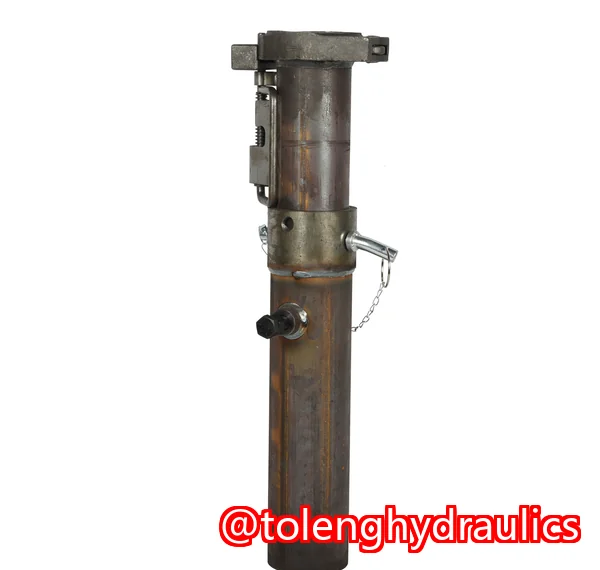
Understanding Hydraulic Cylinder Rods and Their Role
A hydraulic cylinder rod serves as a key component in the function of a hydraulic system. It is designed to transmit the force generated by hydraulic fluid into the machinery, pushing or pulling parts like lifts, arms, and other movable components. The rod must be straight, durable, and resistant to wear, as even the smallest bend or imperfection can compromise the performance of the entire system.
In heavy-duty applications like construction, agriculture, or industrial machinery, where the hydraulic system is subjected to significant stress, ensuring that the cylinder rod remains undamaged is crucial to avoid unexpected failures that can bring operations to a halt.
Causes of Bent Hydraulic Cylinder Rods
-
Improper Handling During Installation
One of the leading causes of bent hydraulic cylinder rods is improper handling during installation. When cylinders are not installed properly, the rod can experience undue stress or force that may cause it to bend. If the cylinder is not aligned correctly with the rest of the system, excessive side loads are placed on the rod, resulting in a bend over time.
-
Excessive Load and Misuse
Another common cause of bent rods is excessive load. When the hydraulic system is subjected to more pressure than it was designed to handle, the cylinder rod can warp or bend. This often happens in situations where the machinery is pushed beyond its capacity, or the load is not evenly distributed. For example, when a construction machine like a backhoe is used to lift objects that exceed its recommended weight limit, the stress on the hydraulic system can cause the rod to bend.
-
Contamination in the Hydraulic Fluid
Contaminants in the hydraulic fluid, such as dirt, debris, or moisture, can cause damage to the cylinder rod. The contaminants create excessive friction, which accelerates wear on the rod. As the surface of the rod becomes rougher, it increases the chances of bending under normal working pressure. Regular maintenance of the hydraulic fluid and filtration system is critical to preventing this issue.
-
Misalignment or Poor Mounting
Hydraulic cylinders are often subjected to misalignment, especially in machinery with multiple moving parts or those that operate in harsh environments. Misalignment causes the cylinder to work unevenly, and the rod may bend as a result. Poor mounting, whether due to worn-out mounting hardware or incorrect installation, can also contribute to misalignment and ultimately cause the rod to bend.
-
External Impact
Lastly, external impact or physical damage can cause a hydraulic cylinder rod to bend. In applications where heavy machinery is moving in tight spaces or working near obstacles, it’s not uncommon for the rod to be impacted by other objects. A hard bump or collision can cause permanent bending, making the rod inefficient or unusable.
The Consequences of Bent Hydraulic Cylinder Rods
While a bent hydraulic cylinder rod might seem like a minor issue at first, it can lead to several costly and disruptive problems. For example:
-
Seal Damage: A bent rod can cause the seals at the end of the cylinder to fail. The misalignment can put unnecessary stress on the seals, leading to leaks or loss of pressure, which affects the overall efficiency of the system.
-
Reduced Performance: A bent rod will affect the performance of the hydraulic system. The equipment might experience jerky movements, uneven lifting, or reduced power output, which can lead to decreased productivity.
-
Increased Maintenance Costs: If left unchecked, a bent rod will likely cause other parts of the system to wear prematurely. This increases the likelihood of frequent breakdowns and expensive repairs down the line.
-
Total System Failure: In the worst-case scenario, a severely bent hydraulic rod can cause the entire hydraulic system to fail, resulting in unscheduled downtime and costly repairs or replacements.
How to Inspect Hydraulic Cylinder Rods
Preventing bent rods starts with proper inspection and maintenance. Below are some practical tips to help you inspect hydraulic cylinder rods effectively:
-
Check the Straightness of the Rod
The first thing you should do when inspecting a hydraulic cylinder is check for any visible signs of a bent rod. To do this, extend the rod fully and visually inspect it. Look for any noticeable deviations or bends along the length of the rod. Even slight imperfections can cause performance issues, so don’t overlook minor bends.
-
Inspect the Rod Surface for Defects
The surface of the rod should be smooth and free of pits, scratches, or rust. Use a magnifying glass to look for small imperfections that may indicate wear. If the surface is damaged, the hydraulic seals may fail prematurely, causing leaks and system inefficiencies.
-
Ensure Proper Alignment
When installing the hydraulic cylinder, make sure the rod is properly aligned with the rest of the system. If it is misaligned, it can cause uneven forces to act on the rod, leading to bending. Double-check the alignment of the cylinder to avoid this issue.
-
Measure the Rod and Bore
Accurate measurements are essential when inspecting hydraulic cylinders. Use a micrometer to measure the diameter of the rod and compare it with the manufacturer’s specifications. Check that the rod diameter is consistent across its length. If the diameter is smaller or larger than it should be, the cylinder might not be able to handle the required load, leading to bending.
-
Check for External Damage
Inspect the area around the hydraulic cylinder for any signs of impact or external damage. Even if the rod appears straight, a sudden external impact might have weakened it, making it prone to bending in the future.
How to Repair a Bent Hydraulic Cylinder Rod
If you find that the hydraulic cylinder rod is bent, here are a few repair options to consider:
-
Rod Straightening
In some cases, it may be possible to straighten a slightly bent rod. However, this should only be done by professionals who have the proper equipment and expertise. Attempting to straighten the rod yourself can cause further damage and may lead to a safety hazard.
-
Rod Replacement
If the rod is severely bent or damaged, the best option may be to replace the rod entirely. This is particularly important if the rod’s performance has been compromised, as continuing to use a damaged rod could lead to further breakdowns or accidents.
-
Seal Replacement
In most cases, a bent rod will have caused seal damage, so it’s essential to replace the seals as part of the repair process. Make sure to choose high-quality seals that are suited for the specific application to prevent future failures.
-
Professional Assessment
If you are unsure about the severity of the damage or how to proceed with repairs, it’s always best to consult a professional. They can assess the situation and provide the right recommendations for repair or replacement.
Conclusion
In conclusion, dealing with bent hydraulic cylinder rods requires prompt action and a keen eye for detail. By regularly inspecting the rod’s straightness, surface condition, and alignment, you can prevent many of the issues that lead to rod damage in the first place. I highly recommend following these inspection guidelines to ensure any hydraulic cylinder purchase delivers long-term reliability and performance.
Browse our selection of high-quality hydraulic cylinders at 🔗 Toleng Hydraulics to ensure your equipment operates efficiently and without unexpected failures. Additionally, download our complete hydraulic cylinder inspection checklist today to stay ahead of potential issues.
FAQ
-
How can I tell if a hydraulic cylinder has quality seals?
Look for seals that are made from durable, high-quality materials such as polyurethane or elastomers. The seals should fit snugly without any visible gaps and should not show signs of cracking or wear.
-
What rod surface finish is best for long seal life?
A smooth, chrome-plated surface is ideal for extending seal life. Chrome plating helps reduce friction and minimizes the risk of seal wear.
-
How do I measure bore size and stroke length correctly?
Use calipers to measure the bore size of the cylinder and a ruler or measuring tape to assess the stroke length. Compare these measurements with the manufacturer’s specifications.
-
What are the signs of a poorly manufactured cylinder?
Look for uneven finishes on the rod, poorly welded ends, or visible defects in the material. Poorly manufactured cylinders often show signs of misalignment or weak seals.
-
Which cylinder mounting styles are strongest?
Welded mounting styles are generally stronger than tie-rod cylinders due to their robust construction. However, tie-rod cylinders are easier to repair and maintain.
-
How do I choose between welded and tie-rod cylinders?
Choose welded cylinders for heavy-duty applications where strength is crucial, and tie-rod cylinders for lighter applications that require easier serviceability.
-
What chrome plating thickness should I look for on rods?
A chrome plating thickness of at least 0.002 inches (50 microns) is recommended for ensuring durability and minimizing wear on the rod.
Tags or Keywords
-
hydraulic cylinder quality, cylinder seals, rod finish, bore size, hydraulic cylinder maintenance, cylinder inspection, welded hydraulic cylinder, tie-rod cylinder, hydraulic cylinder buying guide, cylinder failure prevention, hydraulic cylinder materials

