
Waste Management Hydraulic Cylinders in Balers and Compactors
When it comes to waste management equipment like balers and compactors, hydraulic cylinders are at the heart of the operation. These powerful components help perform the heavy lifting and crushing that makes waste handling efficient. However, not all hydraulic cylinders are created equal, and understanding what makes a high-quality cylinder can mean the difference between smooth, long-term operation and costly downtime due to premature failures.
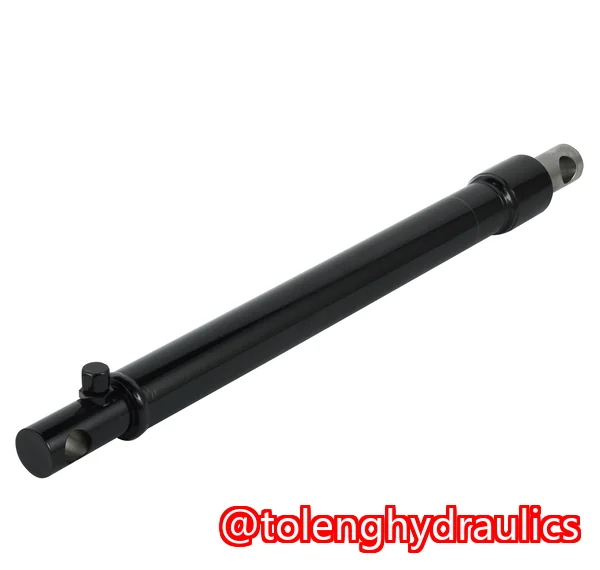
Many people overlook the small details when evaluating hydraulic cylinders, leading to unexpected maintenance issues. In my years working with these systems, I’ve seen how failures like seal leaks, rod damage, and poor material choices can quickly derail operations. Let me guide you through the key aspects of identifying high-quality hydraulic cylinders, so you can avoid these costly mistakes and make informed purchasing decisions.
The Common Pain Points in Hydraulic Cylinder Selection
When sourcing hydraulic cylinders for balers and compactors, it’s easy to get caught up in price and appearance alone. But as many engineers and equipment owners quickly learn, these factors aren’t always indicative of a cylinder’s true quality. Here are a few pain points I’ve come across, which often lead to issues down the line:
-
Appearance Can Be Deceptive
The external look of a hydraulic cylinder can be misleading. A shiny exterior doesn’t always reflect the quality of the internal components, and cylinder performance can still be subpar if the internal bore finish, rod quality, or seal material isn’t up to par.
-
Uncertainty About Seal Materials and Rod Surface Finish
The seal materials used in a cylinder are crucial for preventing leaks and ensuring long-term durability. But with so many options out there, it can be difficult to determine which materials will stand up best to the harsh conditions of waste management operations. Similarly, the surface finish on the piston rod is just as important for preventing damage to seals and ensuring smooth operation.
-
Inconsistent Bore Finishes
The internal bore finish is one of the most important aspects of hydraulic cylinder quality. A poor finish can lead to increased wear, leaks, and failures. Unfortunately, many cylinders fail to meet the necessary standards for bore smoothness, leading to premature breakdowns and higher maintenance costs.
How to Evaluate Hydraulic Cylinder Quality: A Step-by-Step Guide
Fortunately, there are ways to properly evaluate hydraulic cylinders before making a purchase. Below, I’ll walk you through some critical inspection steps that will help you determine if a hydraulic cylinder is built to last. Follow these steps to ensure you’re getting the best quality for your equipment.
1. Check the Cylinder Tube Material and Internal Bore Finish
The material used in the cylinder tube is one of the first things you should look at. High-quality cylinders are usually made from forged steel or other durable metals designed to withstand heavy pressure. To inspect the internal bore finish, you’ll need to check for smoothness and consistency. A good quality finish ensures minimal friction, which in turn prevents wear and tear on seals and other internal components. If the bore has rough patches or irregularities, it’s a sign the cylinder could fail prematurely.
2. Inspect the Piston Rod Hardness, Chrome Plating Thickness, and Surface Finish
The piston rod is exposed to extreme stress, especially in heavy-duty applications like waste management. So, it’s essential that the rod is made from high-strength steel and has a smooth, even chrome plating. The chrome plating thickness plays a big role in protecting the rod from corrosion, wear, and damage. A high-quality hydraulic cylinder will have chrome plating that is at least 0.003 inches thick. The surface finish should also be smooth to prevent damaging the seals, which leads to leaks.
3. Evaluate Seal Types and Materials
Seals are one of the most common failure points in hydraulic cylinders. In waste management applications, where dirt and debris are prevalent, you’ll need seals that are resistant to contamination and can withstand the harsh conditions of the environment. The best seals are made from materials like polyurethane or fluorocarbon, which are durable and offer excellent sealing capabilities. Be sure to ask about the seal material used in the cylinders you’re considering and make sure they’re designed for the specific conditions your equipment will face.
4. Verify Weld Quality on Cylinder Ends and Mounts
Welds are crucial to the structural integrity of hydraulic cylinders. The welds on cylinder ends and mounting points need to be precise and strong to ensure the cylinder can handle heavy loads without failing. Poor welds can lead to cracks, leaks, and total cylinder failure. Inspect the welds for smoothness and uniformity. A good weld should look clean and have no gaps or signs of excessive heat, which can compromise strength.
Benefits of Proper Cylinder Inspection
By taking the time to inspect hydraulic cylinders thoroughly, you can avoid some of the most common failures that affect waste management equipment. Here’s how these inspection steps can benefit you:
-
Avoid Costly Downtime and Failures
Proper inspection ensures that you’re buying cylinders that are built to last. This means fewer breakdowns and less downtime, which ultimately saves you money in repairs and replacements.
-
Extend Cylinder Service Life
Identifying quality cylinders at the outset means they’ll last longer, reducing the frequency of replacements and extending the life of your equipment.
-
Reduce Maintenance Costs
By identifying potential issues early on, you can avoid expensive repairs and maintenance costs in the future. Proper selection also means less frequent maintenance interventions.
Practical Tips for Inspecting Hydraulic Cylinders
-
Measure Bore Size and Rod Diameter
To verify that a cylinder is built to the correct specifications, you should measure the bore size and rod diameter. Use a micrometer to ensure these measurements are within the acceptable tolerance range.
-
Check for Rod Straightness and Surface Defects
Even a small bend in the rod can cause issues, so check the rod for straightness. Also, inspect the surface for any scratches, dents, or other imperfections that could damage seals.
-
Inspect Port Threads and Fitting Quality
The quality of the port threads and fittings is also crucial. Look for any signs of wear or damage, as these could lead to leaks or difficulty with installation.
Conclusion: Selecting the Right Hydraulic Cylinder for Your Equipment
In my experience, taking a little extra time to inspect hydraulic cylinders can make all the difference in the long-term reliability of your waste management equipment. I highly recommend following the inspection guidelines I’ve outlined to ensure that any hydraulic cylinder purchase you make delivers consistent performance and durability.
If you’re looking for high-quality hydraulic cylinders for your balers and compactors, browse our selection at 🔗 Toleng Hydraulics. Our products are designed with durability in mind, and our comprehensive guide helps you evaluate cylinder quality before making a purchase.
For a more in-depth look, download our complete hydraulic cylinder inspection checklist today and ensure your equipment keeps running smoothly for years to come.
FAQ
1. How can I tell if a hydraulic cylinder has quality seals?
Look for seals made from durable materials like polyurethane or fluorocarbon. These materials offer resistance to wear and contamination, which is essential in waste management applications.
2. What rod surface finish is best for long seal life?
A smooth, high-quality chrome-plated surface is best for prolonging the life of seals. The chrome plating should be at least 0.003 inches thick to ensure protection against wear and corrosion.
3. How do I measure bore size and stroke length correctly?
Use a micrometer or caliper to measure the bore size and ensure it matches the manufacturer’s specifications. For stroke length, measure the full range of motion from end to end.
4. What are the signs of a poorly manufactured cylinder?
Look for uneven welds, rough internal bore finishes, and inconsistent rod chrome plating. Any signs of imperfections can lead to premature failure.
5. Which cylinder mounting styles are strongest?
Welded cylinders tend to be stronger and more durable than tie-rod cylinders, especially for heavy-duty applications. However, the choice depends on the specific requirements of your equipment.
6. How do I choose between welded and tie-rod cylinders?
Welded cylinders offer greater strength and durability, while tie-rod cylinders are easier to repair and maintain. Choose based on your equipment’s needs and the severity of use.
7. What chrome plating thickness should I look for on rods?
The chrome plating should be at least 0.003 inches thick to ensure protection against corrosion and wear.
Keywords
hydraulic cylinder quality, cylinder seals, rod finish, bore size, hydraulic cylinder maintenance, cylinder inspection, welded hydraulic cylinder, tie-rod cylinder, hydraulic cylinder buying guide, cylinder failure prevention, hydraulic cylinder materials

