
How to Disassemble a Hydraulic Cylinder Safely
When it comes to hydraulic cylinders, ensuring they operate smoothly is essential to keep heavy machinery running efficiently. Whether it’s construction equipment, agricultural machinery, or industrial automation, hydraulic cylinders play a crucial role in keeping these machines performing at their best. But what happens when a hydraulic cylinder fails? How can you prevent those failures from happening prematurely?
I’ve had firsthand experience with the frustration of dealing with hydraulic cylinder failuresissues like leaking seals, rod damage, and the inability to fix common problems without disassembling the entire unit. If you’ve ever been caught off guard by a malfunctioning hydraulic cylinder, you know the consequencesdowntime, expensive repairs, and the challenge of choosing quality replacement parts.
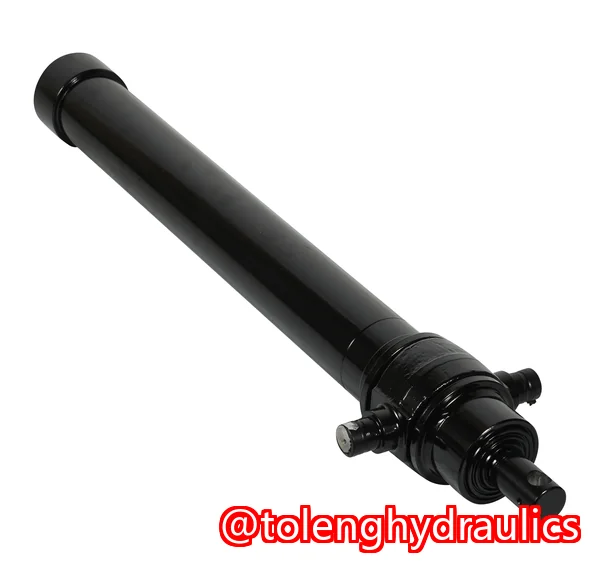
Fortunately, there’s a way to avoid these costly mistakes by understanding how to disassemble and inspect hydraulic cylinders properly. This process not only helps you extend the life of your equipment but also ensures you’re purchasing high-quality hydraulic cylinders for future projects.
The Importance of Safe Hydraulic Cylinder Disassembly
Before we dive into the disassembly process, it’s essential to understand why safety matters. Disassembling hydraulic cylinders incorrectly can lead to accidents, personal injury, and further damage to the cylinder. With the right knowledge and precautions, you can ensure a safe and effective process.
When it comes to hydraulic cylinders, poor maintenance or improper disassembly can lead to:
-
Premature seal failure: If seals aren’t inspected or replaced properly, leaks are inevitable.
-
Rod damage: Failing to handle rods with care can lead to scratches, which can wear down seals and cause internal leaks.
-
Equipment downtime: Without proper disassembly, reassembly could take longer than necessary, further delaying machinery operations.
The Tools You’ll Need
Before starting the disassembly process, ensure you have the proper tools:
-
Safety goggles and gloves for protection against debris and hydraulic fluid.
-
Hydraulic press to disassemble the cylinder components safely.
-
Wrenches for loosening bolts and fittings.
-
Cylinder fixture to secure the cylinder during disassembly.
Having these tools on hand will make the disassembly process safer and more efficient.
Step-by-Step Guide to Disassembling a Hydraulic Cylinder
Now that you understand why disassembly is important, let’s get into the details of how to do it properly.
Step 1: Prepare the Cylinder for Disassembly
Start by removing the hydraulic cylinder from the machine. Drain the fluid and release the pressure from the system. This step is crucial to avoid hydraulic fluid spraying out when you begin disassembling the cylinder.
Tip: If the cylinder has been in use for a while, it’s a good idea to allow it to cool down before handling.
Step 2: Remove End Caps
Most hydraulic cylinders have end caps that are bolted or welded to the body. Using a wrench, remove these end caps. Keep in mind that some cylinders may have retaining rings that need to be carefully removed before you can access the internals.
Step 3: Extract the Piston
Once the end caps are off, you’ll have access to the piston assembly. Use the hydraulic press to slowly extract the piston. Be mindful of the seals as you do this. If you damage the seals, you’ll need to replace them to maintain cylinder integrity.
Tip: Gently inspect the piston for any signs of damage, wear, or corrosion. A rough or damaged piston could indicate a problem that led to cylinder failure.
Step 4: Inspect the Rod and Seals
With the piston removed, take a look at the rod. Check for any scoring or signs of damage. A smooth rod finish is crucial to prevent seal wear and hydraulic leaks. If the rod is damaged, it may need to be reconditioned or replaced.
Inspect the seals carefully. Over time, seals can become brittle or lose their elasticity. Check for any cracks, abrasions, or fluid seepage around the seals.
Step 5: Clean the Internal Parts
Once the components are removed, clean them thoroughly with a lint-free cloth to remove any dirt, debris, or hydraulic fluid. This will ensure that no foreign particles contaminate the new seals when reassembling the cylinder.
Step 6: Reassemble the Cylinder
After inspecting all components and replacing any damaged parts, it’s time to reassemble the hydraulic cylinder. Follow the reverse order of disassembly, making sure to lubricate the seals properly before installing them. Ensure that all bolts are tightened to the manufacturer’s specified torque to prevent leaks or cylinder misalignment.
Key Inspection Points for Hydraulic Cylinders
Disassembling a hydraulic cylinder is just one part of the process. After removing all the internal components, it’s important to inspect each part for quality. Let’s discuss the key points to consider during your inspection.
1. Cylinder Tube Material and Bore Finish
The material used for the cylinder tube plays a significant role in how long it will last. You should check the bore finish as well. A smooth bore finish ensures that the seals will operate effectively and won’t wear prematurely. If you notice any pitting or roughness in the bore, the cylinder may need to be replaced.
2. Piston Rod Quality
The piston rod should be free from any cracks, scoring, or corrosion. If the rod shows signs of wear, it can compromise the cylinder’s functionality, leading to leaks and equipment failure. The rod should also have a consistent chrome plating thickness, as this prevents corrosion and wear.
3. Seal Types and Materials
Different applications require different types of seals. For instance, seals used in high-temperature environments will need to be made of materials that can withstand heat. Inspect the seals for any signs of wear, damage, or degradation. Make sure to choose seals that match the demands of your equipment and the environment.
4. Weld Quality
Check the cylinder for any visible weld defects. Poor weld quality can lead to cylinder failure, especially under high pressure. Look for smooth, even welds without cracks or voids. These flaws can compromise the integrity of the cylinder.
Benefits of Proper Hydraulic Cylinder Inspection
Proper inspection and maintenance of hydraulic cylinders provide multiple benefits:
-
Avoid Downtime: By identifying problems early, you can prevent unexpected failures, keeping equipment up and running.
-
Extend Cylinder Life: Regularly inspecting components like seals, rods, and cylinder tubes helps extend the service life of your equipment.
-
Cost Savings: Identifying quality issues before purchase can save you money on replacements and repairs.
Conclusion: Ensuring Safe Hydraulic Cylinder Disassembly and Inspection
As you can see, disassembling a hydraulic cylinder safely and inspecting it properly can prevent premature failures and costly repairs. By following these guidelines, you’ll ensure that your hydraulic cylinders perform reliably and last longer, minimizing downtime and maximizing efficiency.
If you’re looking for high-quality hydraulic cylinders, I highly recommend browsing our selection at 🔗 Toleng Hydraulics. We offer cylinders with exceptional materials, sealing technology, and a commitment to performance.
Download our complete hydraulic cylinder inspection checklist today to get started on maintaining your equipment like a pro.
FAQ
1. How can I tell if a hydraulic cylinder has quality seals?
Inspect the seals for any signs of cracking, brittleness, or uneven wear. Quality seals should be flexible, durable, and intact without any fluid leakage.
2. What rod surface finish is best for long seal life?
A smooth, polished rod surface finish helps reduce friction between the rod and seals, which extends seal life. Chrome-plated rods are generally the best option for long-lasting performance.
3. How do I measure bore size and stroke length correctly?
Use calipers to measure the inside diameter of the bore and the length of the stroke. Make sure to measure at multiple points to ensure uniformity.
4. What are the signs of a poorly manufactured cylinder?
Signs include inconsistent bore finishes, poor weld quality, and damaged or poorly fitted seals. Always verify the manufacturing standards of the cylinder before purchasing.
5. Which cylinder mounting styles are strongest?
Welded cylinder mounts tend to be stronger than tie-rod mounts, as they offer more robust support and reduce the risk of part failure under high pressure.
6. How do I choose between welded and tie-rod cylinders?
Welded cylinders are generally more durable and better suited for high-pressure applications. Tie-rod cylinders are typically easier to repair and more affordable but may not offer the same strength.
7. What chrome plating thickness should I look for on rods?
A standard chrome plating thickness for most applications is between 0.002″ and 0.005″. This thickness helps protect the rod from corrosion and wear.
Tags or Keywords
-
hydraulic cylinder quality, cylinder seals, rod finish, bore size, hydraulic cylinder maintenance, cylinder inspection, welded hydraulic cylinder, tie-rod cylinder, hydraulic cylinder buying guide, cylinder failure prevention, hydraulic cylinder materials

