
Top Hydraulic Cylinder Manufacturers in 2026: How to Choose Quality Cylinders That Last
Learn how to identify high-quality hydraulic cylinders, inspect seals, rod finish, and bore size to prevent failures and ensure long-term equipment reliability.
When purchasing hydraulic cylinders for heavy equipment, I’ve learned that not all cylinders are built to last. Premature seal failure, rod damage, and hydraulic leaks can bring operations to a grinding haltsometimes at the worst possible moment.
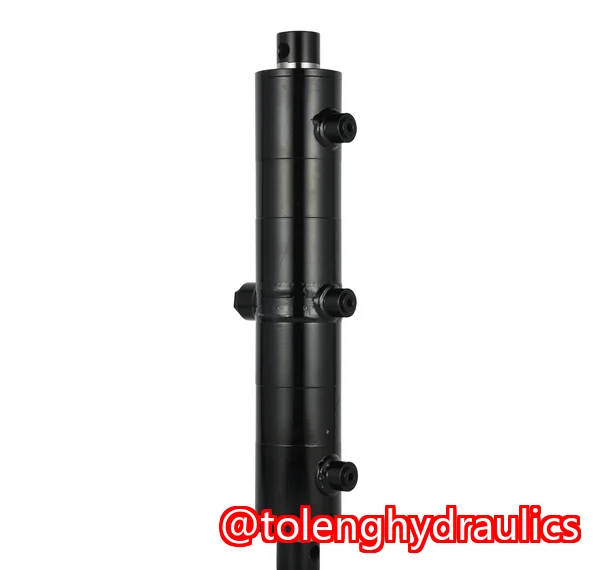
I remember a maintenance manager once telling me about a construction project that stopped for almost two days because a boom cylinder failed unexpectedly. The machine itself was fine. The hydraulic pump was working perfectly. But the cylinder rod developed scoring, the seals failed, and hydraulic oil began pouring out.
That single component failure delayed the entire jobsite.
Situations like this are more common than many equipment owners expect. Whether you’re working with excavators, agricultural machinery, material handling systems, or industrial automation equipment, the quality of your hydraulic cylinders directly affects uptime, safety, and long-term operating costs.
The challenge? At first glance, most cylinders look the same.
The paint is shiny. The welds appear smooth. The dimensions match your specifications.
But the real differencesthe ones that determine whether a cylinder lasts ten years or fails in six monthsare hidden beneath the surface.
That’s why understanding hydraulic cylinder inspection and quality control has become essential for engineers, buyers, and maintenance teams.
Over the years, I’ve found that following a systematic inspection approach makes it much easier to identify reliable products and avoid poorly manufactured cylinders. Resources like Toleng hydraulics provide useful guidance that helps professionals evaluate materials, seal quality, rod finish, and structural integrity before making a purchase decision.
Let’s walk through the most common challenges buyers face and the practical ways to solve them.
The First Challenge: Appearance Doesn’t Reveal True Hydraulic Cylinder Quality
One of the biggest mistakes buyers make is assuming a cylinder’s external appearance reflects its internal quality.
Unfortunately, that’s rarely the case.
Two cylinders may look identical on the outside but perform completely differently in real-world conditions.
The internal bore finish, rod surface quality, seal materials, and machining accuracy are what truly determine performance.
I’ve seen cylinders that looked excellent externally but failed early because the cylinder bore finish was poorly honed. The surface contained microscopic grooves that quickly destroyed the seals.
Within weeks, hydraulic oil leakage began.
How to Check Cylinder Tube Quality
When evaluating a cylinder, start with the tube itself.
A high-quality cylinder tube should have:
Precision internal honing
The bore surface should be smooth and consistent. A proper hone pattern helps retain oil while minimizing seal wear.
Correct cylinder bore finish
If the bore finish is too rough, seals wear rapidly. If it’s too smooth, lubrication suffers.
High-strength material
Most reliable cylinders use high-grade steel tubing designed for hydraulic pressure loads.
Even small inconsistencies in the bore can cause long-term problems. That’s why careful hydraulic cylinder inspection matters before installation.
The Second Challenge: Seal Quality Often Determines Cylinder Lifespan
In many failure cases, the weakest link is the seal system.
Seals must contain hydraulic pressure, prevent contamination, and operate smoothly under constant movement. When seals fail, leaks beginand once that happens, the entire hydraulic system becomes vulnerable.
The difficulty is that buyers rarely know what hydraulic seal types are actually used inside the cylinder.
Low-cost cylinders sometimes include inferior materials that harden, crack, or wear quickly.
Signs of High-Quality Cylinder Seals
When evaluating seal systems, I recommend paying attention to several factors:
Material Compatibility
Different applications require different materials. For example:
Polyurethane seals for abrasion resistance
Nitrile seals for general hydraulic applications
Viton seals for high-temperature environments
Seal Design
A well-designed cylinder includes multiple sealing components:
Rod seals
Wiper seals
Wear rings
Buffer seals
Each component serves a specific purpose.
Contamination Protection
A high-quality wiper seal prevents dirt, sand, and debris from entering the cylinder during operation.
This is especially important in:
Construction equipment
Agricultural machinery
Mining operations
Poor contamination control is a leading cause of cylinder damage.
The Third Challenge: Rod Surface Finish and Chrome Plating
The piston rod may look simple, but it’s one of the most critical parts of the entire cylinder.
A damaged rod surface will quickly destroy seals and cause hydraulic leaks.
That’s why the rod finish and chrome plating quality deserve careful attention.
What to Look For in a Quality Rod
Rod Hardness
Most durable rods are induction hardened before chrome plating. This improves resistance to bending and wear.
Chrome Plating Thickness
High-quality cylinders typically use thick chrome plating to protect against corrosion and surface damage.
Thin plating can wear away quickly, exposing the steel beneath.
Surface Smoothness
The rod finish must be extremely smooth. Rough surfaces cause excessive seal friction and premature failure.
A proper rod finish helps maximize seal life and reduce maintenance.
Checking Weld Integrity and Mounting Strength
Another often overlooked area is the weld quality around cylinder ends and mounting brackets.
These areas carry enormous stress during operation.
If welds are weak or poorly executed, structural failure can occur.
I’ve seen cylinders where the mounting eye actually separated from the barrel under heavy load.
Needless to say, that caused major equipment downtime.
What to Inspect
Look closely at:
End cap welds
Mounting brackets
Reinforcement plates
Cylinder base connections
High-quality welds should appear smooth, uniform, and free of cracks or undercutting.
Reliable manufacturers follow strict cylinder quality control procedures to ensure structural integrity.
Measuring Bore Size and Rod Diameter Correctly
Another practical step during hydraulic cylinder inspection is verifying the dimensions.
Even small deviations can affect performance.
Step-by-Step Measurement Tips
1. Measure the Bore Diameter
Use a bore gauge or internal micrometer to measure the internal cylinder diameter.
Confirm it matches the specified bore size.
2. Measure the Rod Diameter
Use a micrometer to measure rod thickness. Accurate dimensions ensure proper load capacity.
3. Verify Stroke Length
Extend the rod fully and measure the distance from fully retracted to fully extended.
Incorrect stroke length can cause mechanical interference or incomplete movement.
Checking Rod Straightness and Surface Defects
Rod straightness is another critical factor.
A slightly bent rod may still function initially, but it will gradually damage seals and cause internal wear.
Quick Inspection Method
Roll the rod on a flat surface or check it using a dial indicator.
Signs of potential problems include:
Visible wobble during rotation
Surface scratches or pitting
Chrome flaking
Even small surface defects can damage seals during operation.
Inspecting Hydraulic Ports and Thread Quality
Hydraulic ports are where hoses connect to the cylinder.
If these threads are poorly machined, they may leak or fail under pressure.
During inspection, check for:
Clean, accurate threads
No burrs or damage
Proper port alignment
Quality manufacturers carefully machine these ports to ensure secure fittings and reliable sealing.
Welded vs. Tie-Rod Cylinders: Choosing the Right Style
Another decision buyers often face is choosing between welded hydraulic cylinders and tie-rod cylinders.
Both designs have advantages depending on the application.
Welded Cylinders
Compact design
High structural strength
Common in construction and mobile equipment
Tie-Rod Cylinders
Easier to service and rebuild
Often used in industrial applications
More accessible internal components
Understanding these differences helps ensure the right cylinder is selected for the job.
Why Proper Inspection Saves Money
Some buyers assume that a lower-priced cylinder saves money upfront.
In reality, poor-quality cylinders often cost far more over time.
Failures can cause:
Equipment downtime
Lost productivity
Expensive emergency repairs
Hydraulic system contamination
Following a structured hydraulic cylinder inspection process prevents many of these problems.
Tools and resources like those provided by Toleng hydraulics help engineers and buyers evaluate cylinder materials, seal quality, rod finishes, and mounting strength before committing to a purchase.
In my experience, spending a little extra time verifying these details dramatically reduces long-term maintenance costs.
Final Thoughts on Selecting Reliable Hydraulic Cylinders
Choosing the right hydraulic cylinder isn’t just about matching bore size and stroke length.
It requires a deeper look at materials, machining quality, seals, rod finish, and structural strength.
Over the years, I’ve found that the most reliable cylinders consistently share several characteristics:
Properly honed cylinder bore finishes
Durable seal systems suited to the application
Hardened rods with thick chrome plating
High-quality welds and structural mounts
Precision machining throughout the cylinder assembly
When buyers learn to inspect these areas carefully, they dramatically reduce the risk of premature failures.
I highly recommend following these inspection guidelines to ensure any hydraulic cylinder purchase delivers long-term reliability and performance.
If you’re looking for guidance when evaluating hydraulic cylinders, take advantage of the tools and inspection resources available from Toleng hydraulics.
Browse our selection of high-quality hydraulic cylinders:
🔗 https://tolenghydraulics.com/contact/
Download our complete hydraulic cylinder inspection checklist today and start making more confident

