
How to Choose the Right Hydraulic Cylinder for Your Application
Learn how to identify high-quality hydraulic cylinders, inspect seals, rod finish, and bore size to prevent failures and extend equipment life.
Hydraulic systems are the backbone of modern machinery. Whether you’re running an excavator on a construction site, operating an agricultural loader, or maintaining an automated industrial press, a single hydraulic cylinder failure can stop everything in its tracks.
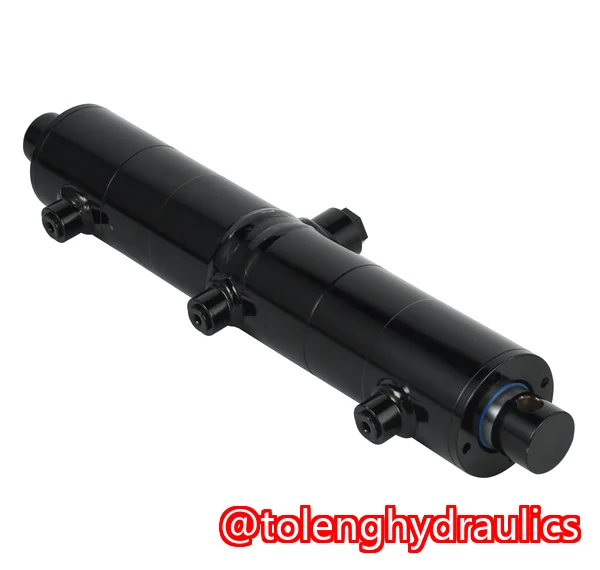
I’ve seen it happen more times than I’d like to admit.
A contractor installs what appears to be a perfectly good replacement cylinder on a loader. The dimensions match, the mounting style looks identical, and the price seems like a good deal. But a few weeks later, oil starts leaking from the rod seal. Soon after, the machine loses lifting power. Production slows down, repair crews are called in, and suddenly the “good deal” turns into expensive downtime.
The reality is simple: not all hydraulic cylinders are built to the same standard.
Premature seal failure, poor rod finish, incorrect bore tolerances, or weak welds can shorten a cylinder’s life dramatically. And unfortunately, many of these issues aren’t obvious just by looking at the outside.
That’s why understanding hydraulic cylinder quality is so important for equipment owners, maintenance engineers, and procurement teams. In this guide, I’ll walk through practical ways to evaluate a hydraulic cylinder before installationusing real-world inspection methods and lessons learned from the field.
Along the way, I’ll also reference insights from Toleng hydraulics, whose inspection resources help engineers verify cylinder quality and avoid costly mistakes.
The Hidden Challenge of Hydraulic Cylinder Quality
At first glance, most hydraulic cylinders look very similar.
They all have a tube, a piston rod, end caps, seals, and mounting points. If the bore size and stroke match your machine’s specifications, it’s tempting to assume they’ll perform the same.
But the truth is that internal manufacturing quality varies widely.
Here are a few common pain points buyers encounter.
1. Appearance Can Be Deceptive
A cylinder may look polished and well-finished on the outside, but internal machining quality is what really determines reliability.
Poor cylinder bore finish can cause seals to wear prematurely. Even slight surface irregularities inside the tube can create friction that gradually damages seals and contaminates hydraulic fluid.
I’ve inspected cylinders that looked perfect externally, yet internally had machining marks that caused seal failures within months.
2. Seal Quality Is Often Unclear
Hydraulic seals are small components with a huge impact.
Cheap or incorrect hydraulic seal types may work briefly but fail under pressure, temperature changes, or contamination. The result is oil leakage, pressure loss, and eventually complete system shutdown.
Many buyers don’t realize that seal material and design must match the specific applicationespecially for heavy equipment or high-cycle industrial machines.
3. Rod Surface Finish and Chrome Quality Matter
The piston rod slides through seals thousands of times per day. If the rod finish is rough or the chrome plating is too thin, seals will quickly deteriorate.
I’ve seen cylinders fail simply because the chrome plating on the rod was uneven or poorly bonded. Once corrosion or scratches appear, seal damage accelerates rapidly.
A Practical Approach to Hydraulic Cylinder Inspection
Over time, I’ve developed a simple rule when evaluating cylinders:
Never rely on appearance alone. Always inspect the critical components.
Resources from Toleng hydraulics emphasize this same approach. Their inspection guide helps engineers verify the materials, machining quality, and seal systems that truly determine cylinder durability.
Below are some of the most useful inspection steps I recommend.
1. Check Cylinder Tube Material and Bore Finish
The cylinder tube is the foundation of the entire assembly. If the internal bore surface is poorly machined, seal wear and pressure loss will follow.
When inspecting a cylinder:
Look for these indicators of good cylinder bore finish:
-
Smooth internal surface with no visible machining grooves
-
Consistent honing pattern inside the tube
-
Uniform wall thickness
-
Proper material grade suitable for high pressure
The honing process is critical. A properly honed bore has a fine crosshatch pattern that helps retain a thin film of hydraulic oil. That oil layer protects seals and reduces friction during operation.
Poorly finished bores, on the other hand, create heat and friction that destroy seals quickly.
In heavy equipment applicationssuch as excavators or hydraulic pressesthis difference can mean the difference between years of service and a failure within months.
2. Inspect the Piston Rod Carefully
The piston rod is the most exposed and heavily stressed component in a hydraulic cylinder.
Any flaw in the rod surface will directly affect seal life and cylinder performance.
When evaluating rod quality, I usually check three things:
Rod Hardness
The rod should be hardened to withstand repeated stress and contact with seals.
A properly hardened rod resists bending, scoring, and deformation under heavy loads.
Chrome Plating Thickness
Chrome plating protects the rod from corrosion and abrasion. Thin or inconsistent plating can lead to rapid wear.
Quality cylinders typically feature thick, evenly applied chrome plating designed to withstand harsh operating environments.
Surface Finish
The rod surface must be extremely smooth.
Even small scratches or pits can tear seals during operation. If you run your finger along the rod and feel imperfections, it’s a red flag.
A polished, mirror-like rod finish is usually a good indicator of proper manufacturing.
3. Evaluate Seal Types and Materials
Seals are often overlooked during purchasing decisions, yet they are the most common source of hydraulic cylinder failure.
Different applications require different seal materials.
For example:
-
Polyurethane seals work well in high-pressure systems
-
Nitrile seals perform well with standard hydraulic fluids
-
PTFE seals are often used for high-temperature or low-friction environments
When reviewing a cylinder, I recommend confirming:
-
Seal material compatibility with your hydraulic fluid
-
Pressure rating of the seals
-
Temperature tolerance
-
Availability of replacement seal kits
High-quality cylinders are designed with serviceable seal systems, making maintenance easier and reducing long-term costs.
4. Verify Weld Quality on Cylinder Ends
Many hydraulic cylindersespecially welded typesrely heavily on structural welds.
Poor welds can fail catastrophically under load.
Look closely at the welds around:
-
End caps
-
Mounting brackets
-
Cylinder bases
-
Clevis mounts
Signs of good welding include:
-
Smooth, consistent weld beads
-
No cracks or porosity
-
Proper penetration
-
Clean finishing
If welds look uneven or poorly finished, it may indicate inconsistent manufacturing quality.
5. Measure Bore Size and Rod Diameter
Accurate measurements are essential when replacing or specifying hydraulic cylinders.
Using proper tools like calipers or micrometers, verify:
Bore Size
Measure the internal diameter of the cylinder tube. This determines the force the cylinder can generate.
Rod Diameter
The rod diameter affects both strength and stability. A rod that’s too thin for the load can bend over time.
Stroke Length
Measure the full extension distance between the rod’s fully retracted and extended positions.
Accurate measurements ensure the replacement cylinder matches the original system design.
6. Check Rod Straightness and Alignment
Rod misalignment is another issue that often goes unnoticed until a cylinder begins to fail.
A bent rod causes uneven seal wear and internal friction.
To check rod straightness:
-
Roll the rod slowly on a flat surface
-
Watch for wobbling or uneven movement
-
Inspect the rod under good lighting for subtle bends
Even small alignment issues can reduce cylinder life dramatically.
7. Inspect Hydraulic Ports and Threads
Hydraulic ports must be machined precisely to prevent leaks and maintain proper flow.
During inspection, verify:
-
Thread accuracy
-
Clean machining
-
No burrs or metal debris
-
Proper sealing surfaces
Poor port machining often leads to fluid leakage or installation problems.
Why Proper Cylinder Inspection Matters
Taking time to inspect a hydraulic cylinder before installation can prevent a wide range of problems.
In my experience, these inspections help achieve several key benefits.
Avoid Costly Downtime
Equipment downtime is expensive. A failed cylinder on a construction site or manufacturing line can halt operations completely.
Extend Equipment Life
High-quality cylinders operate more smoothly and place less stress on other hydraulic components.
Reduce Maintenance Costs
By identifying quality issues before purchase, maintenance teams avoid repeated repairs and seal replacements.
Improve Safety
Hydraulic failures under load can create dangerous conditions. Reliable cylinders reduce safety risks for operators and technicians.
Real-World Applications
These inspection principles apply across many industries.
Construction Equipment
Excavators, loaders, and cranes rely on durable cylinders that can handle heavy loads and harsh environments.
Agricultural Machinery
Tractors, harvesters, and implements require cylinders that resist contamination from dust, dirt, and moisture.
Industrial Automation
Manufacturing equipment depends on precise, repeatable hydraulic movement for reliable operation.
Material Handling
Forklifts and lifting platforms require strong cylinders with dependable seals and rods.
In each of these applications, proper hydraulic cylinder inspection plays a crucial role in maintaining reliability.
Conclusion
Choosing the right hydraulic cylinder isn’t just about matching dimensions or finding the lowest price. True reliability comes from understanding the factors that determine hydraulic cylinder quality.
By inspecting key componentssuch as cylinder bore finish, rod chrome plating, seal materials, weld integrity, and accurate bore sizeyou can identify high-quality cylinders that will perform reliably in demanding environments.
These inspection methods help prevent premature failures, reduce maintenance costs, and keep equipment operating safely.
I highly recommend following these inspection guidelines to ensure any hydraulic cylinder purchase delivers long-term reliability and performance.
If you’re evaluating new cylinders or replacing existing ones, resources from Toleng hydraulics provide valuable guidance for engineers and maintenance professionals.
Browse our selection of high-quality hydraulic cylinders:
🔗 https://tolenghydraulics.com/contact/
Download our complete hydraulic cylinder inspection checklist today and make confident purchasing decisions that protect your equipment and operations.
FAQ
How can I tell if a hydraulic cylinder has quality seals?
Look for cylinders that specify seal material and pressure ratings. High-quality cylinders typically use polyurethane, PTFE, or nitrile seals designed for the intended operating environment. Availability of replacement seal kits is also a good sign.
What rod surface finish is best for long seal life?
A smooth, polished rod with high-quality chrome plating provides the best seal performance. The surface should be free from scratches, pits, or machining marks to prevent seal damage.
How do I measure bore size and stroke length correctly?
Use precision tools such as calipers or internal micrometers. Bore size is the internal diameter of the cylinder tube, while stroke length is the distance the rod travels from fully retracted to fully extended.
What are the signs of a poorly manufactured cylinder?
Common warning signs include rough bore surfaces, uneven chrome plating, weak welds, poorly machined hydraulic ports, and inconsistent rod finish.
Which cylinder mounting styles are strongest?
Mounting strength depends on the application. Clevis mounts allow pivoting motion, while flange mounts provide strong linear support. Trunnion mounts are often used in heavy equipment where alignment flexibility is required.
How do I choose between welded and tie-rod cylinders?
Welded cylinders are more compact and commonly used in mobile equipment. Tie-rod cylinders are easier to service and often found in industrial machinery.
What chrome plating thickness should I look for on rods?
Quality hydraulic cylinders typically use thick, evenly applied chrome plating to resist corrosion and wear. The exact thickness depends on the application, but durability and uniform coverage are key indicators of good manufacturing.
Tags / Keywords
hydraulic cylinder quality, cylinder seals, rod finish, bore size, hydraulic cylinder maintenance, cylinder inspection, welded hydraulic cylinder, tie-rod cylinder, hydraulic cylinder buying guide, cylinder failure prevention, hydraulic cylinder materials

