
Hydraulic Cylinder Rebuild Step-by-Step DIY Guide
When I first started maintaining heavy machinery on construction sites, I quickly realized that not all hydraulic cylinders are created equal. One day, a seemingly minor leak in a cylinder shut down a critical piece of equipment for hours, costing both time and money. Premature seal failure, rod damage, and inconsistent bore finishes are common issues that can bring operations to a grinding halt if you’re not careful. Knowing how to evaluate hydraulic cylinder quality before purchase or during maintenance can save headaches, downtime, and costly replacements.
Whether you’re dealing with construction equipment, agricultural machinery, or industrial automation, understanding how to inspect and rebuild a hydraulic cylinder is essential. In this guide, I’ll walk you through the key steps, pain points, and practical tips to ensure any cylinder you work with is reliable and built to last.
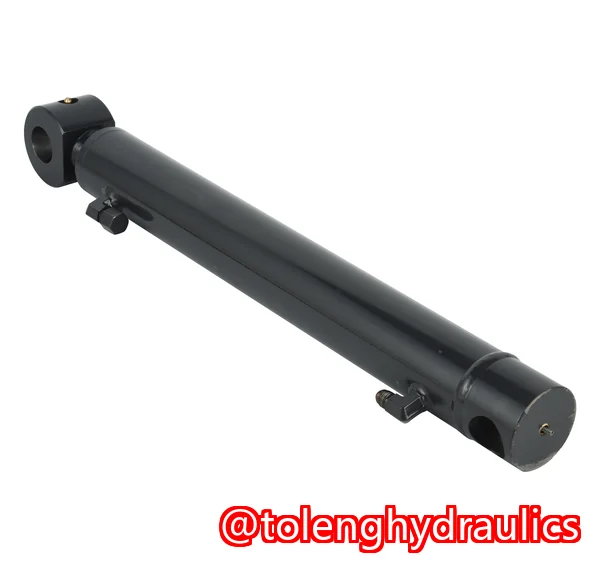
Common Pain Points in Hydraulic Cylinder Evaluation
Over the years, I’ve noticed three recurring challenges when sourcing or maintaining hydraulic cylinders:
-
Distinguishing genuine cylinder quality from mere appearance
Many cylinders look solid on the outside but hide critical flaws inside. A shiny rod or well-painted tube doesn’t guarantee long-term performance.
-
Uncertainty about seals and rod surface finish
The wrong seal material or poor rod chrome plating can lead to rapid wear, leaks, and downtime. Not all manufacturers are upfront about seal specifications.
-
Inconsistent bore finishes and internal machining
Even a small imperfection inside the cylinder tube can accelerate seal damage and cause uneven piston movement. This is a subtle issue that’s easy to overlook but expensive to fix.
Toleng hydraulics provides a reliable reference for inspecting and evaluating cylinders. Their inspection tools and guides help engineers and maintenance teams verify cylinder quality before committing to a purchase.
Step-by-Step Hydraulic Cylinder Inspection
Here’s how I approach cylinder inspection to ensure reliability and longevity:
1. Check Cylinder Tube Material and Bore Finish
The cylinder tube is the backbone of the hydraulic system. Poor material quality or inconsistent internal machining can lead to early wear. Here’s what I do:
-
Material inspection: Look for high-grade steel with proper heat treatment. Inferior steel can deform under pressure.
-
Bore finish: Use a bore gauge to measure internal smoothness. A mirror-like finish isn’t just cosmeticit reduces friction and extends seal life.
-
Look for imperfections: Scratches, pits, or inconsistent finish indicate poor manufacturing and higher risk of leaks.
2. Inspect the Piston Rod
The rod must withstand constant pressure and sliding motion. Its integrity is vital:
-
Rod hardness and chrome plating: I check hardness ratings (usually through manufacturer specs) and ensure the chrome layer is thick enough (typically 0.51 mm) to resist wear.
-
Surface finish: A smooth, polished surface prevents seals from prematurely wearing out. Rough spots or inconsistent plating are red flags.
-
Rod straightness: Even a slightly bent rod can cause seal damage and uneven piston motion. Roll the rod on a flat surface to check alignment.
3. Evaluate Seal Types and Materials
Seals are the most common point of failure:
-
Material selection: Nitrile (Buna-N) is standard for general applications, polyurethane offers higher pressure tolerance, and Viton or Fluoroelastomer seals resist chemicals and heat.
-
Proper installation: Check that seals sit correctly in their grooves without deformation. Misaligned seals can fail almost immediately.
-
Red flags: Cracked, dry, or brittle seals indicate poor storage or inferior material.
4. Verify Weld Quality and Cylinder Ends
Weld integrity impacts both safety and performance:
-
Visual inspection: Look for uniform, clean welds without cracks or gaps.
-
Mounting points: Ensure the cylinder’s mounts, whether clevis, flange, or trunnion, are sturdy and free from distortion.
5. Measure Critical Dimensions
Accurate measurements prevent mismatched components and operational issues:
-
Bore size and rod diameter: Use calipers or micrometers to verify dimensions. A few microns off can lead to excessive wear.
-
Stroke length: Measure cylinder extension fully to ensure it meets application needs.
-
Port threads and fittings: Check that threads are clean and properly machined for leak-free connections.
Benefits of Proper Cylinder Inspection
Investing time in cylinder inspection has tangible benefits:
-
Avoid costly downtime: Detecting defects before installation keeps your equipment operational.
-
Extend service life: Choosing cylinders with proper rod finish, bore, and seal quality ensures longer-lasting performance.
-
Lower maintenance costs: Identifying issues early prevents repeated repairs and seal replacements.
-
Safer operations: A well-inspected cylinder reduces the risk of unexpected failures that could compromise operator safety.
Practical Tips for DIY Cylinder Rebuild
Rebuilding a hydraulic cylinder yourself can save money, but it requires attention to detail:
-
Disassemble carefully: Label parts, note orientation, and keep hardware organized.
-
Clean thoroughly: Remove dirt, old seals, and residual oil before inspection.
-
Check rod and tube: Replace rods with nicks or bends, polish tubes if minor scratches exist, but replace the cylinder if damage is severe.
-
Install seals properly: Use assembly lube, align seals correctly, and avoid over-tightening.
-
Test under low pressure: Before returning to full operational load, check for leaks and smooth motion.
For me, following these steps has been a game-changer, especially when working on older construction or agricultural equipment. Even a cylinder that looks new can hide defects, and a careful inspection ensures you get the performance you need.
Conclusion
Hydraulic cylinders are the heart of heavy machinery, and their reliability directly affects your equipment uptime and maintenance costs. By inspecting the cylinder tube, piston rod, seals, bore finish, and welds, you can separate high-quality cylinders from unreliable ones. I highly recommend following these inspection guidelines to ensure any hydraulic cylinder purchase delivers long-term reliability and performance.
Browse our selection of high-quality hydraulic cylinders: 🔗 https://tolenghydraulics.com/contact/
Download our complete hydraulic cylinder inspection checklist today and make informed buying decisions.
Frequently Asked Questions (FAQ)
1. How can I tell if a hydraulic cylinder has quality seals?
Check for flexible, smooth seals without cracks. High-quality seals fit snugly in grooves and resist compression set over time.
2. What rod surface finish is best for long seal life?
A polished, mirror-like chrome finish with minimal surface roughness ensures seals slide smoothly, reducing wear.
3. How do I measure bore size and stroke length correctly?
Use a bore gauge or micrometer for internal diameter and a tape measure for full stroke. Always measure at multiple points to verify uniformity.
4. What are the signs of a poorly manufactured cylinder?
Look for scratches inside the bore, uneven rod plating, misaligned mounts, inconsistent welds, and low-grade materials.
5. Which cylinder mounting styles are strongest?
Welded cylinders with clevis or flange mounts are often the most robust. Trunnion mounts offer flexibility but require proper alignment.
6. How do I choose between welded and tie-rod cylinders?
Welded cylinders are compact and robust for heavy-duty use. Tie-rod cylinders allow easier maintenance but may flex under extreme loads.
7. What chrome plating thickness should I look for on rods?
Ideally, 0.51 mm of hard chrome plating provides durability and corrosion resistance, ensuring long-term seal performance.
Tags / Keywords
hydraulic cylinder quality, cylinder seals, rod finish, bore size, hydraulic cylinder maintenance, cylinder inspection, welded hydraulic cylinder, tie-rod cylinder, hydraulic cylinder buying guide, cylinder failure prevention, hydraulic cylinder materials, hydraulic cylinder inspection, hydraulic seal types, cylinder bore finish, rod chrome plating
This guide provides practical, step-by-step methods for evaluating and rebuilding hydraulic cylinders, helping you avoid premature failures and maximize machinery uptime. Following these tips ensures you make informed choices and extend the life of your equipment.

