
Hydraulic Cylinder Pin-Eye vs Clevis Mounting Comparison
When I first started overseeing maintenance on heavy construction and agricultural equipment, I quickly realized that not all hydraulic cylinders are created equal. I’ve seen projects grind to a halt because a cylinder failed prematurelyleaking seals, bent rods, or misaligned mounts. One of the trickiest aspects to get right is understanding the differences between pin-eye and clevis mounting styles. The choice isn’t just about how a cylinder attaches; it directly impacts durability, performance, and maintenance. In this post, I’ll walk through practical guidance for evaluating cylinder quality, inspecting materials and finishes, and choosing the right mounting style to avoid downtime and costly repairs.
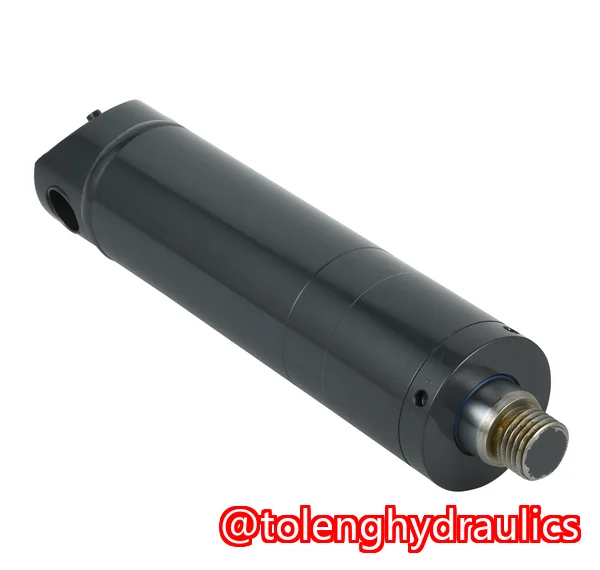
Why Pin-Eye and Clevis Mounts Matter
Hydraulic cylinder mounts aren’t just cosmeticthey define how force is transmitted from the cylinder to the machine. Pin-eye mounts are commonly found on heavy machinery where the cylinder is aligned in a fixed pivot, allowing for some angular movement. Clevis mounts, on the other hand, provide a fork-like attachment with a pin passing through both the cylinder and the equipment, offering more flexibility in certain applications. Choosing the wrong mount can accelerate rod wear, stress the seals, or even damage the bore over time.
Common Pain Points When Evaluating Hydraulic Cylinders
Even experienced engineers often face challenges when selecting reliable cylinders:
-
Appearance vs. Performance: Some cylinders look solid on the outside but hide subpar bore finishes or low-quality rod plating. A shiny rod doesn’t always mean durable performance.
-
Seal Materials and Rod Surface: Improper seal selection or poor rod surface finish can lead to leaks in weeks, not years. Many buyers struggle to confirm whether a cylinder’s seals are suitable for their application.
-
Bore Finish Inconsistencies: A rough or uneven cylinder bore will wear seals quickly, leading to frequent downtime and costly replacements.
This is where Toleng hydraulics comes in. Their inspection guide helps engineers and maintenance teams verify cylinder quality step by step, ensuring every component meets the demands of industrial, construction, or agricultural applications.
How to Inspect and Verify Hydraulic Cylinder Quality
Evaluating a cylinder goes beyond trusting a brand name or supplier claims. Here’s how I approach it:
1. Check Cylinder Tube Material and Bore Finish
The cylinder tube is the heart of any hydraulic cylinder. Look for:
-
High-strength steel or alloy tubing resistant to internal pressure.
-
Smooth, uniform internal bore finishany scratches or unevenness will quickly damage seals.
-
Bore roundness and consistent diameter across the stroke length.
2. Inspect Piston Rod Hardness and Chrome Plating
The rod endures tremendous forces and harsh environments:
-
Confirm rod hardness using manufacturer specshard rods resist bending and wear.
-
Chrome plating thickness is crucial; I usually look for at least 0.0250.05 mm for industrial cylinders.
-
Check rod surface finishideally 0.20.4 m Ra for optimal seal life.
-
Verify rod straightness and look for any surface defects like pits, scratches, or dents.
3. Evaluate Seals and Materials
Seals are the first line of defense against leaks:
-
Identify the type of sealpolyurethane, nitrile, or Viton, depending on application temperature and fluid.
-
Check for proper installation and no signs of pre-compression or deformation.
-
Ensure the seal groove matches manufacturer specifications to avoid extrusion or premature wear.
4. Verify Weld Quality on Cylinder Ends and Mounts
Welds hold everything togetherespecially on welded hydraulic cylinders:
-
Look for consistent, clean weld beads without cracks or porosity.
-
Examine mounting areas for proper alignment and reinforcement.
-
For clevis and pin-eye mounts, ensure holes are drilled accurately and pins fit snugly without excess play.
Benefits of Thorough Cylinder Inspection
Taking the time to inspect cylinders pays off immediately:
-
Avoid unexpected failures: Prevent leaks, bent rods, and premature wear.
-
Extend service life: A well-chosen cylinder with proper finishes and seals can last years under heavy use.
-
Reduce maintenance costs: Identifying low-quality components before installation avoids expensive downtime and emergency replacements.
Practical Tips for Evaluating Cylinders
Here are some hands-on techniques I use daily:
-
Measuring bore size and rod diameter accurately: Use a micrometer or bore gauge for precise measurements. Verify these against manufacturer specifications.
-
Identifying poor seal quality: Look for cracks, brittle edges, or incorrect groove placement. A poorly seated seal is a ticking time bomb.
-
Checking rod straightness: Roll the rod on a flat surfaceany wobble indicates bending.
-
Inspecting port threads and fittings: Threads should be clean, free from burrs, and compatible with your hydraulic system.
Pin-Eye vs Clevis: Choosing the Right Mount
Understanding the functional differences helps avoid application-specific issues:
-
Pin-Eye Mounts:
-
Best for fixed pivot points with minimal lateral movement.
-
Simpler installation on heavy equipment like excavators or loaders.
-
Reduced side loading, but angular misalignment must be avoided.
-
-
Clevis Mounts:
-
Offers some angular flexibilityideal for material handling or agricultural implements.
-
Requires careful pin sizing to prevent side play.
-
Slightly more complex to inspect due to the forked attachment.
-
In my experience, aligning cylinder mounting style with the specific machine application is often the most overlooked factor in preventing early failures.
Conclusion
Selecting a hydraulic cylinder isn’t just about rod diameter or stroke lengthit’s about understanding materials, finishes, seals, and mounting integrity. By following these inspection steps: checking cylinder tube quality, evaluating rod hardness and chrome plating, verifying seal types, and confirming proper mount alignment, you can make confident, informed decisions.
I highly recommend following these inspection guidelines to ensure any hydraulic cylinder purchase delivers long-term reliability and performance. Avoid unnecessary downtime and reduce maintenance costs by taking a few extra minutes to evaluate each cylinder thoroughly.
Browse our selection of high-quality hydraulic cylinders: 🔗 https://tolenghydraulics.com/contact/
Download our complete hydraulic cylinder inspection checklist today and protect your equipment investment.
FAQ
Q1: How can I tell if a hydraulic cylinder has quality seals?
Look for consistent material, proper installation in the groove, and compatibility with the operating temperature and hydraulic fluid. Avoid brittle or cracked seals.
Q2: What rod surface finish is best for long seal life?
A surface finish of 0.20.4 m Ra is ideal, providing a smooth surface that minimizes wear on seals.
Q3: How do I measure bore size and stroke length correctly?
Use a micrometer for rod diameter, a bore gauge for cylinder bores, and a measuring tape or caliper for stroke length. Verify against manufacturer specifications.
Q4: What are the signs of a poorly manufactured cylinder?
Watch for uneven bore finishes, scratches on the rod, inconsistent welds, bent rods, or low-quality seals. Any of these increase failure risk.
Q5: Which cylinder mounting styles are strongest?
Pin-eye mounts are robust for fixed pivot points, while clevis mounts allow angular movement but must be carefully sized to avoid side play.
Q6: How do I choose between welded and tie-rod cylinders?
Welded cylinders are stronger and more compact, ideal for high-pressure or heavy-duty applications. Tie-rod cylinders are easier to service and common in industrial automation.
Q7: What chrome plating thickness should I look for on rods?
A minimum of 0.025 mm to 0.05 mm is standard for industrial and construction equipment rods. Thicker plating increases wear resistance and longevity.
Tags/Keywords: hydraulic cylinder quality, cylinder seals, rod finish, bore size, hydraulic cylinder maintenance, cylinder inspection, welded hydraulic cylinder, tie-rod cylinder, hydraulic cylinder buying guide, cylinder failure prevention, hydraulic cylinder materials, hydraulic seal types

