
Hydraulic Cylinder for Press Machines Selection Guide: Quality, Seals, Rod Finish & Bore Size Tips
Learn how to identify high-quality hydraulic cylinders, inspect seals and rod finish, verify bore size, and prevent costly failures in press machine applications.
A few years ago, I walked into a maintenance workshop where a press machine had been sitting idle for two days. Production was halted, operators were frustrated, and management was asking the same question everyone eventually asks: “How did this happen?”
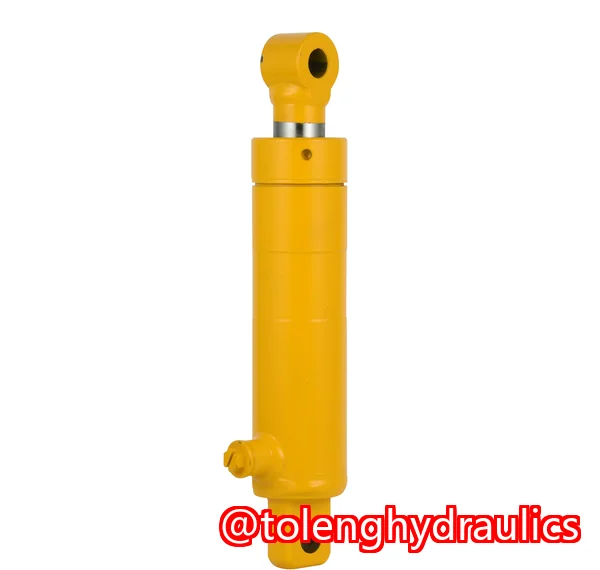
The culprit was a hydraulic cylinder that looked perfectly fine from the outside. The paint was clean. The welds appeared solid. But inside, the bore finish was rough, the rod chrome plating was thin, and the seals had already begun to degrade. Within months, the cylinder began leaking. Eventually, the press machine stopped mid-cycle.
Situations like this are surprisingly common.
When purchasing hydraulic cylinders for heavy equipment or press machines, I’ve learned that not all cylinders are built to last. Premature seal failure, rod scoring, and internal leakage can bring an entire operation to a halt. And unfortunately, many of these problems originate long before the cylinder is ever installed.
The good news is that identifying true hydraulic cylinder quality isn’t impossible. With the right inspection habits and a few practical checks, engineers, maintenance teams, and equipment buyers can avoid most of these failures before they ever reach the factory floor.
Over the years, I’ve relied on structured inspection guides like those developed by Toleng hydraulics to evaluate cylinder construction, materials, and performance characteristics. In this guide, I’ll walk you through the same real-world checks that help prevent downtime and ensure long service life in demanding press machine applications.
Why Hydraulic Cylinder Quality Matters More Than You Think
Press machines depend on hydraulic cylinders to deliver consistent force, precise movement, and repeatable performance. When a cylinder fails, the impact goes beyond a simple component replacement.
Common consequences include:
-
Unexpected production shutdowns
-
Hydraulic oil contamination
-
Damage to press tooling
-
Safety hazards for operators
-
Expensive maintenance repairs
The frustrating part is that many failures start with issues that could have been identified during a basic hydraulic cylinder inspection.
In my experience, the most common problems fall into three categories: hidden manufacturing defects, incorrect materials, and poor quality control during assembly.
Let’s break those down.
Common Pain Point #1: Appearance Doesn’t Equal Quality
One of the biggest mistakes buyers make is judging a cylinder by its appearance.
A freshly painted cylinder with smooth welds may look impressive. But cosmetic quality doesn’t guarantee performance.
I’ve seen cylinders that looked excellent externally but had:
-
Poor cylinder bore finish
-
Inconsistent internal diameter tolerances
-
Thin rod chrome plating
-
Low-quality seals
These hidden issues often lead to early wear, leakage, and pressure loss.
What I Check First
Whenever I evaluate a cylinder for a press machine, I start with the internal components.
Key areas include:
Cylinder tube material
A quality cylinder tube should be made from high-strength steel with consistent wall thickness. Poor-quality tubes often have uneven hardness or inconsistent machining.
Internal bore finish
The bore finish plays a major role in seal life.
A properly honed cylinder bore should feel smooth and uniform. If the surface is too rough, seals wear quickly. If it’s too polished, lubrication may be insufficient.
Dimensional accuracy
Press machines require precise movement. Even small variations in bore size can affect performance.
Common Pain Point #2: Seal Quality and Material Confusion
Another major issue I see is confusion around hydraulic seal types.
Many buyers simply assume seals are standard components. In reality, seal materials must match the operating conditions.
Press machines often operate under:
-
High pressure
-
Repetitive cycles
-
Elevated temperatures
-
Heavy side loads
Using the wrong seals leads to rapid failure.
What to Look For in Cylinder Seals
During inspection, I always verify:
Seal material compatibility
Common seal materials include:
-
Nitrile rubber (NBR)
-
Polyurethane (PU)
-
PTFE-based compounds
Each performs differently under pressure, heat, and speed.
Seal design
High-quality cylinders typically use multiple sealing elements, such as:
-
Primary pressure seals
-
Wear rings
-
Rod wipers
-
Backup rings
These components protect the rod and prevent contamination.
Installation quality
Improperly installed seals are another hidden problem.
Signs of poor installation include:
-
Twisted seal lips
-
Uneven compression
-
Visible damage inside the gland
If the seals are compromised before installation, failure is inevitable.
Common Pain Point #3: Piston Rod Damage and Weak Chrome Plating
The piston rod is the most visible component of a hydraulic cylinder, and it’s also one of the most critical.
Press machines place enormous stress on rods. Poor rod quality quickly leads to:
-
Scoring
-
Corrosion
-
Seal failure
-
Oil leakage
Rod Inspection Tips I Always Use
When evaluating rod quality, I check three things.
Rod straightness
Even a slight bend can cause uneven seal wear.
A quick roll test on a flat surface can reveal whether the rod is perfectly straight.
Surface finish
A proper rod finish should be smooth enough to protect seals but not overly polished.
Microscopic surface defects can damage seals during operation.
Chrome plating thickness
Chrome plating protects the rod from wear and corrosion.
For demanding industrial applications, plating thickness typically ranges between:
-
2030 microns for light duty
-
3050 microns for heavy industrial use
Thin plating is a common shortcut used in low-cost cylinders.
Unfortunately, it doesn’t last.
Step-by-Step Hydraulic Cylinder Inspection Process
Over the years, I’ve developed a simple inspection routine that works for almost any cylinder used in construction equipment, agricultural machinery, or industrial presses.
Here’s the process I recommend.
1. Measure Bore Size Carefully
The bore size determines the force the cylinder can generate.
To measure it accurately:
-
Use an internal micrometer or bore gauge
-
Take measurements at several points along the tube
-
Check for taper or ovality
Inconsistent bore dimensions indicate poor machining.
2. Verify Rod Diameter
Rod diameter directly affects strength and resistance to bending.
When checking rod diameter:
-
Use a calibrated micrometer
-
Measure at multiple points
-
Inspect for surface scratches
If the rod diameter varies, machining tolerances may be unreliable.
3. Inspect Rod Surface Quality
Look for:
-
Scratches
-
Pitting
-
Chrome peeling
-
Surface discoloration
Any of these defects will shorten seal life.
4. Evaluate Weld Integrity
Press machine cylinders often experience extreme loads.
Welds at the cylinder ends must be strong and uniform.
Things I examine include:
-
Weld penetration
-
Consistent bead pattern
-
Absence of cracks or voids
Poor welding is one of the fastest ways for a cylinder to fail.
5. Check Hydraulic Ports and Threads
This step is often overlooked.
Improperly machined ports can lead to leaks and installation problems.
Verify that:
-
Threads are clean and precise
-
Ports match the specified fitting type
-
No metal debris is present
Contaminated ports can introduce particles into the hydraulic system.
Choosing Between Welded and Tie-Rod Cylinders
Press machines typically use welded hydraulic cylinders, but some applications still rely on tie-rod designs.
Each has advantages.
Welded cylinders
-
Compact design
-
Higher structural strength
-
Better suited for heavy-duty equipment
Tie-rod cylinders
-
Easier to disassemble for maintenance
-
Common in industrial automation
-
Often used in lower-pressure systems
Choosing the right design depends on your operating environment and maintenance strategy.
Real-World Example: Preventing a Press Machine Failure
One maintenance engineer I worked with implemented a simple cylinder inspection program across his facility.
Before purchasing replacement cylinders, his team checked:
-
Bore finish
-
Rod chrome plating
-
Seal materials
-
Mounting welds
Within a year, hydraulic cylinder failures dropped by nearly 40%.
More importantly, unplanned press machine downtime became extremely rare.
Sometimes the biggest improvements come from simply asking better questions before purchasing equipment.
Why Inspection Saves Money in the Long Run
It’s tempting to choose cylinders based solely on price.
But when evaluating long-term costs, cheap cylinders often become the most expensive option.
High-quality cylinders deliver:
-
Longer seal life
-
Reduced oil leakage
-
Improved machine reliability
-
Lower maintenance costs
Most importantly, they protect your production schedule.
Downtime is always more expensive than prevention.
A Reliable Resource for Cylinder Evaluation
For engineers and buyers who need a structured approach, the inspection resources from Toleng hydraulics provide a practical framework for evaluating cylinder construction and materials.
Their guide walks users through:
-
Identifying cylinder types
-
Understanding hydraulic seal types
-
Checking cylinder bore finish
-
Verifying rod chrome plating
-
Assessing mounting styles and weld quality
These steps make it much easier to distinguish high-quality cylinders from poorly manufactured alternatives.
Final Thoughts
After working with hydraulic systems for many years, one lesson stands out above all others: the reliability of a press machine often comes down to the quality of its hydraulic cylinders.
By focusing on a few key inspection pointsbore finish, rod quality, seal materials, and weld integrityyou can dramatically reduce the risk of premature cylinder failure.
These checks don’t require specialized laboratories or expensive testing equipment. Just careful observation, accurate measurements, and a commitment to quality control.
I highly recommend following these inspection guidelines to ensure any hydraulic cylinder purchase delivers long-term reliability and performance.
If you’re evaluating cylinders for press machines or other heavy equipment, take advantage of professional guidance and proven inspection methods.
Browse our selection of high-quality hydraulic cylinders:
🔗 https://tolenghydraulics.com/contact/
You can also download our complete hydraulic cylinder inspection checklist today and start making more confident purchasing decisions.
FAQ
How can I tell if a hydraulic cylinder has quality seals?
Quality seals are made from durable materials such as polyurethane or PTFE-based compounds. Inspect the seal lips for uniform shape, check for backup rings or wear rings, and verify that seals are installed correctly without twisting or damage.
What rod surface finish is best for long seal life?
A smooth but not overly polished rod surface is ideal. The finish should prevent abrasion while maintaining sufficient lubrication for seal operation. Visible scratches or pits will quickly destroy seals.
How do I measure bore size and stroke length correctly?
Use an internal micrometer or bore gauge to measure the cylinder bore at multiple points. Stroke length can be determined by measuring the distance the rod travels between fully retracted and fully extended positions.
What are the signs of a poorly manufactured cylinder?
Warning signs include uneven welds, rough bore finishes, thin chrome plating, inconsistent rod diameter, and low-quality seals. Leakage or excessive friction during operation also indicates poor construction.
Which cylinder mounting styles are strongest?
Welded mounts such as clevis mounts and trunnion mounts generally provide high strength for heavy equipment and press machine applications.
How do I choose between welded and tie-rod cylinders?
Welded cylinders are stronger and more compact, making them ideal for mobile equipment and heavy-duty machinery. Tie-rod cylinders are easier to maintain and commonly used in industrial automation systems.
What chrome plating thickness should I look for on rods?
For demanding industrial applications, rod chrome plating should typically be between 30 and 50 microns. Thicker plating improves wear resistance and corrosion protection.
Tags
hydraulic cylinder quality, cylinder seals, rod finish, bore size, hydraulic cylinder maintenance, cylinder inspection, welded hydraulic cylinder, tie-rod cylinder, hydraulic cylinder buying guide, cylinder failure prevention, hydraulic cylinder materials, rod chrome plating

