
Best Hydraulic Cylinder for Snow Plows 202Reviews: Quality, Seals, Rod Finish & Maintenance Guide
Learn how to identify high-quality hydraulic cylinders for snow plows and heavy equipment by inspecting seals, rod finish, bore size, and build quality to prevent costly failures.
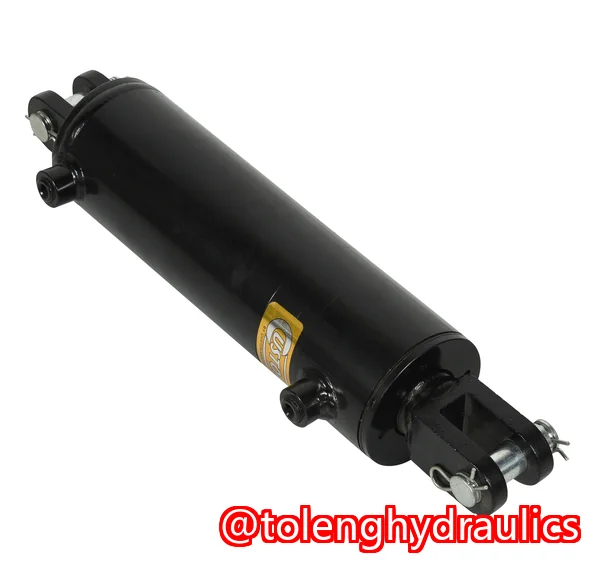
Every winter, snow removal crews depend on equipment that simply cannot fail. A plow truck stuck with a leaking hydraulic cylinder in the middle of a snowstorm isn’t just inconvenientit can shut down an entire route. I’ve seen it happen more than once. A truck pulls up ready for a long shift, the operator lifts the blade, and suddenly hydraulic oil begins dripping from the cylinder seals. Within minutes, the system loses pressure, and the plow stops working.
Moments like this reveal a harsh truth: not all hydraulic cylinders are built to last.
Over the years, working with equipment owners, maintenance engineers, and procurement teams, I’ve learned that premature cylinder failure is often preventable. Seal leakage, rod scoring, and poor bore finishes usually trace back to one thingquality. Unfortunately, distinguishing high-quality hydraulic cylinders from poorly manufactured ones isn’t always easy.
In this guide, I’ll walk through the practical inspection steps I use to evaluate hydraulic cylinders, especially for demanding applications like snow plows, construction machinery, agricultural equipment, and industrial hydraulics. Using the insights from Toleng hydraulics, we’ll break down how to inspect cylinder materials, seals, rod finish, bore size, and mounting integrity so you can make confident purchasing decisions and avoid costly downtime.
The Hidden Problems Buyers Face When Evaluating Hydraulic Cylinders
When sourcing cylinders for snow plows or other mobile hydraulics, buyers often face the same frustrating challenges.
The first issue is appearance versus actual quality. At first glance, most cylinders look identical. The paint is shiny, the welds appear smooth, and the rod looks polished. But internal qualitythings like bore finish, seal material, and rod hardnessis what determines whether the cylinder will last five years or fail in five months.
Another common pain point is uncertainty around seal quality. Hydraulic seal types vary widely. Some manufacturers use durable polyurethane or high-grade nitrile seals designed for cold temperatures and heavy loads. Others cut costs with lower-grade materials that harden, crack, or leak under pressure. For snow plow cylinders, cold-weather performance is critical, and seal quality can make or break reliability.
A third challenge involves inconsistent bore finishes and rod surfaces. Even small imperfections inside the cylinder tube can cause accelerated seal wear. If the piston rod chrome plating is too thin or poorly finished, it may begin to pit or scratch, which quickly damages seals and leads to leaks.
These are exactly the issues that experienced maintenance teams look for during hydraulic cylinder inspection. Fortunately, there are several straightforward ways to verify cylinder quality before buying.
Why Snow Plow Cylinders Demand Higher Quality
Snow plow systems place unique stress on hydraulic components. Unlike many stationary hydraulic systems, plow cylinders operate in extreme conditions.
Temperatures drop below freezing. Moisture, salt, and road debris constantly hit exposed rods. The cylinder must extend and retract rapidly as operators adjust blade angles and lift heights while driving.
These conditions make several design elements critical:
-
Cold-resistant hydraulic seal types
-
High-quality rod chrome plating
-
Durable welded mounting points
-
Precision cylinder bore finish
A cylinder that performs well in a warehouse application might fail quickly on a snow plow truck if these factors aren’t considered.
How I Inspect Hydraulic Cylinder Quality Before Purchase
When evaluating a hydraulic cylinder, I always start with a systematic inspection. It doesn’t require advanced equipmentjust careful observation and a few measuring tools.
Here are the most important checks.
Check the Cylinder Tube and Bore Finish
The cylinder tube forms the internal surface where the piston seals move back and forth. If the bore finish is too rough or uneven, seals will wear out quickly.
High-quality cylinders typically use precision-honed tubes. The honing process creates a smooth, cross-hatched surface that retains a thin oil film while minimizing seal friction.
When inspecting the cylinder tube:
-
Look inside the bore if possible.
-
The finish should appear uniform and smooth, not scratched or dull.
-
Ask the supplier about the cylinder bore finish specification.
-
Confirm the material grade used for the tube.
Poorly finished bores often lead to premature leaks, even when good seals are installed.
Inspect the Piston Rod and Chrome Plating
The piston rod is the most exposed component of any hydraulic cylinder. On snow plows, it faces road salt, snow, ice, and gravel every day.
A high-quality rod should have:
-
Hard chrome plating
-
Consistent mirror-like rod finish
-
Adequate plating thickness
-
High surface hardness
Thin or poorly applied chrome plating will wear away quickly. Once the underlying steel becomes exposed, corrosion begins, damaging seals and reducing cylinder life.
When inspecting the rod:
-
Look for pitting, scratches, or discoloration.
-
Check for uniform chrome plating across the rod.
-
Run a clean cloth along the rod surface to feel imperfections.
One important tip I always share: even tiny scratches can destroy seals over time.
Evaluate Seal Types and Materials
Hydraulic seals are often overlooked during purchasing decisions, but they play a massive role in cylinder reliability.
In cold environments like snow removal operations, seal materials must remain flexible and resilient.
Common hydraulic seal types include:
-
Polyurethane seals for durability and abrasion resistance
-
Nitrile seals for general hydraulic applications
-
PTFE-based seals for low friction and high performance
When evaluating seals, I recommend asking suppliers about:
-
Seal material compatibility
-
Temperature range
-
Pressure ratings
-
Replacement availability
High-quality seals extend service life and reduce the frequency of hydraulic cylinder maintenance.
Verify Weld Quality on Cylinder Ends and Mounts
The mounting points on a hydraulic cylinder absorb enormous forces. On snow plows, cylinders constantly experience impact loads as blades push through heavy snow.
Poor welding can lead to catastrophic failure.
When inspecting welds:
-
Look for smooth, even weld beads
-
Avoid cylinders with porous or uneven weld lines
-
Check for signs of overheating or distortion
Quality welded hydraulic cylinders use controlled welding processes that ensure structural integrity.
Measure Bore Size and Rod Diameter Accurately
Proper sizing is essential when replacing or upgrading hydraulic cylinders.
Incorrect bore size or rod diameter can cause performance problems, including reduced lifting force or excessive stress on seals.
To measure cylinder bore size:
-
Use a caliper or bore gauge
-
Measure the inside diameter of the cylinder tube
-
Verify against manufacturer specifications
For rod diameter:
-
Measure the chrome rod using a digital caliper
-
Confirm tolerance and roundness
Accurate measurement helps maintain proper system pressure and performance.
Check Rod Straightness
A bent rod is one of the most common reasons cylinders fail prematurely.
Even slight misalignment can cause uneven seal wear and internal scoring.
To check rod straightness:
-
Extend the rod fully
-
Roll it slowly while observing alignment
-
Look for visible wobbling or uneven movement
Professional shops often use dial indicators, but even a basic visual inspection can reveal problems.
Inspect Hydraulic Ports and Threads
Hydraulic ports connect the cylinder to the hydraulic system, so thread quality matters.
During inspection:
-
Ensure threads are clean and well-machined
-
Check for burrs or cross-threading
-
Confirm the correct thread standard (NPT, BSP, etc.)
Poor port machining can cause leaks and installation difficulties.
How Quality Inspection Prevents Expensive Failures
Following a thorough inspection process delivers several major benefits.
First, it helps prevent unexpected equipment downtime. When snow removal trucks or construction machines fail, repairs can halt entire operations.
Second, quality inspection helps reduce maintenance costs. Identifying weak cylinders before purchase avoids frequent seal replacements and hydraulic fluid loss.
Third, it improves equipment safety. Hydraulic failures can lead to uncontrolled movements, especially in heavy machinery.
That’s why guides like the inspection resources provided by Toleng hydraulics are so valuable. They help engineers and equipment owners understand exactly what separates reliable hydraulic cylinders from low-quality alternatives.
Real-World Example: Snow Plow Cylinder Failure
A municipal fleet I worked with once replaced dozens of snow plow cylinders from a low-cost supplier. Initially, everything seemed fine.
But after the first winter storm, problems started appearing.
Seal leaks developed within weeks. Several rods showed corrosion where chrome plating had worn away. Eventually, multiple trucks had to be pulled from service during peak snow events.
After switching to higher-quality cylinders with better rod finish, thicker chrome plating, and improved seals, those issues disappeared.
The difference wasn’t visible in the catalog photosbut it made all the difference in the field.
Making a Smarter Hydraulic Cylinder Purchase
Whether you’re sourcing cylinders for snow plows, excavators, agricultural tractors, or industrial automation systems, the purchasing approach should always include careful inspection.
Here’s the simple checklist I recommend:
-
Verify cylinder tube material and bore finish
-
Inspect rod chrome plating and surface quality
-
Confirm seal material and temperature compatibility
-
Check weld integrity on mounts
-
Measure bore size and rod diameter
-
Inspect port threads and machining
-
Verify rod straightness
Taking these steps dramatically reduces the risk of premature cylinder failure.
Final Thoughts
Hydraulic cylinders might seem like simple components, but their reliability depends heavily on manufacturing quality. Small detailslike bore finish, rod chrome plating, and seal materialshave enormous impacts on performance.
From my experience, the best way to avoid downtime and costly repairs is to perform a thorough hydraulic cylinder inspection before purchasing. Understanding what to look for gives equipment owners and maintenance teams the confidence to choose cylinders that will perform reliably in demanding environments.
I highly recommend following these inspection guidelines to ensure any hydraulic cylinder purchase delivers long-term reliability and performance.
If you’re looking for guidance or high-quality cylinder options, explore the inspection resources and solutions from Toleng hydraulics.
Browse our selection of high-quality hydraulic cylinders:
🔗 https://tolenghydraulics.com/contact/
And don’t forget to download our complete hydraulic cylinder inspection checklist today.
Frequently Asked Questions
How can I tell if a hydraulic cylinder has quality seals?
Quality seals are typically made from durable materials like polyurethane or high-grade nitrile. Ask suppliers about pressure ratings, temperature limits, and seal compatibility with hydraulic fluids. Visual inspection for uniform seal edges and proper installation also helps identify good seal quality.
What rod surface finish is best for long seal life?
A smooth, mirror-like rod finish with hard chrome plating provides the best performance. The chrome layer should be thick enough to resist wear and corrosion while maintaining low friction against the seals.
How do I measure bore size and stroke length correctly?
Bore size is measured by checking the inside diameter of the cylinder tube using a bore gauge or caliper. Stroke length is the distance the piston rod travels from fully retracted to fully extended.
What are the signs of a poorly manufactured cylinder?
Common warning signs include uneven welds, rough bore finishes, thin chrome plating, scratched rods, poorly machined threads, and inconsistent seal installation.
Which cylinder mounting styles are strongest?
Heavy-duty applications often use clevis mounts, trunnion mounts, or flange mounts. The best mounting style depends on the load direction and machine design.
How do I choose between welded and tie-rod cylinders?
Welded hydraulic cylinders are compact and commonly used in mobile equipment like snow plows and construction machinery. Tie-rod cylinders are easier to service and are often used in industrial machinery.
What chrome plating thickness should I look for on rods?
High-quality hydraulic cylinders typically use thick hard chrome plating designed to resist corrosion and wear. While specifications vary, thicker plating generally provides better durability in harsh environments.
Tags / Keywords
hydraulic cylinder quality, cylinder seals, rod finish, bore size, hydraulic cylinder maintenance, cylinder inspection, welded hydraulic cylinder, tie-rod cylinder, hydraulic cylinder buying guide, cylinder failure prevention, hydraulic cylinder materials, rod chrome plating

