
How to Prevent Hydraulic Cylinder Side Loading and Extend Seal Life
Meta Description:
Learn how to identify hydraulic cylinder quality and prevent side loading with practical inspection tips for seals, rod finish, bore size, and cylinder maintenance.
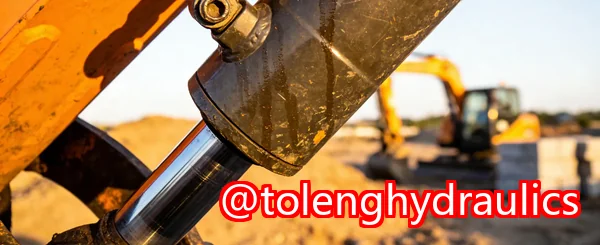
Anyone who works around heavy equipment has seen it happen.
A machine that ran perfectly yesterday suddenly starts leaking hydraulic oil. The operator notices the cylinder rod isn’t retracting smoothly. Maintenance pulls the cylinder, only to find damaged seals, uneven rod wear, and scoring inside the tube. Production stops. Deadlines slip. Costs climb.
I’ve encountered this situation more times than I’d like to admitespecially on construction equipment, agricultural machinery, and industrial automation systems. In many of those cases, the root cause wasn’t simply poor maintenance. It was something far more common and often overlooked: hydraulic cylinder side loading.
Side loading places uneven force on the cylinder rod and seals. Over time, this misalignment damages internal components, accelerates wear, and causes premature cylinder failure. Unfortunately, it’s not always obvious until the damage has already occurred.
Preventing this type of failure starts with understanding hydraulic cylinder quality and knowing what to inspect before installation or purchase. Through experience working with maintenance teams and procurement specialists, I’ve learned that a structured inspection approach can dramatically improve cylinder reliability.
That’s exactly where Toleng hydraulics becomes a helpful reference point. Their hydraulic cylinder inspection guide breaks down the evaluation process into practical steps engineers and buyers can use in the real world.
Let’s walk through how to prevent side loadingand how proper cylinder inspection can save both downtime and money.
Why Hydraulic Cylinder Side Loading Causes Early Failures
Before we talk about inspection methods, it’s important to understand the problem.
A hydraulic cylinder is designed to handle axial loads, meaning force that moves directly along the rod’s centerline. When external forces push the rod sidewaysdue to misalignment, poor mounting, or structural flexthose forces create side loading.
The results are rarely subtle.
I’ve seen side loading cause:
-
Rapid seal wear and leakage
-
Bent or scratched piston rods
-
Uneven chrome plating wear
-
Internal tube scoring
-
Excessive friction during operation
-
Premature cylinder replacement
Even a small misalignment can dramatically shorten the life of seals and internal components.
The tricky part? Many buyers focus only on cylinder size or price when sourcing new components. The internal quality of the cylindermaterials, machining, and mounting designoften determines whether the cylinder can tolerate real-world stresses.
That’s why proper hydraulic cylinder inspection matters.
Common Challenges When Evaluating Hydraulic Cylinder Quality
Over the years, I’ve noticed a few recurring challenges that equipment buyers and maintenance teams face.
1. Appearance Doesn’t Always Reflect Quality
At first glance, most cylinders look nearly identical.
A polished rod. Painted housing. Clean welds.
But external appearance can be misleading. Two cylinders that look similar may have completely different internal machining quality, seal materials, or chrome plating thickness.
For example, one agricultural loader I worked on used replacement cylinders sourced from a low-cost supplier. They looked fine out of the crate. But within six months, operators began reporting oil leaks and rough movement. When we disassembled the unit, the bore finish was inconsistent and the rod chrome plating was extremely thin.
Those issues dramatically accelerated seal wear.
Without a proper inspection process, it’s almost impossible to spot those differences.
2. Uncertainty About Seal Materials
Hydraulic seals do most of the hard work inside a cylinder.
They must withstand:
-
High pressure
-
Temperature changes
-
Abrasion
-
Contamination
-
Constant motion
Not all seal materials perform equally well in every application.
In construction equipment, for instance, cylinders may experience heavy shock loads and dusty environments. Agricultural machinery faces moisture, fertilizer exposure, and long duty cycles.
If the seal material isn’t designed for those conditions, failure happens quickly.
Understanding hydraulic seal typesand verifying what’s actually installed in the cylinderis essential.
3. Inconsistent Bore Finishing
The internal surface of the cylinder tube plays a critical role in seal life.
A proper cylinder bore finish allows seals to maintain lubrication and glide smoothly during operation. If the bore is rough or uneven, seals wear faster and internal leakage increases.
I’ve inspected cylinders where poor honing left visible machining marks inside the tube. That type of surface can destroy seals in a matter of months.
Quality manufacturers pay close attention to this step because it directly affects reliability.
Practical Steps to Prevent Side Loading and Verify Cylinder Quality
The good news is that preventing side loadingand selecting reliable cylindersis very achievable when you know what to check.
Below are some of the inspection practices I recommend to maintenance teams and procurement specialists.
Check Cylinder Tube Material and Bore Finish
The cylinder tube is the backbone of the entire assembly.
When inspecting a cylinder:
Look for these indicators of quality:
-
Smooth internal honing pattern
-
Uniform bore diameter
-
No visible scratches or pits
-
Consistent wall thickness
A properly honed bore helps seals retain lubrication and reduces friction.
If the bore finish is inconsistent, seals will wear prematurely, increasing the likelihood of leakage and downtime.
Inspect Piston Rod Hardness and Chrome Plating
The piston rod experiences constant sliding contact with the seals.
A high-quality rod typically features:
-
Hardened steel construction
-
Thick chrome plating
-
Fine surface finish
-
High resistance to corrosion
Chrome plating thickness is particularly important.
Thin plating wears quickly, exposing the underlying steel. Once corrosion begins, seal damage usually follows.
When evaluating rods, I recommend checking for:
-
Surface scratches
-
Chrome peeling
-
Rust spots
-
Uneven wear patterns
These are often early warning signs of poor rod quality or side loading.
Evaluate Seal Design and Materials
Seal systems vary widely between manufacturers.
High-quality cylinders often use specialized seal combinations designed for different pressure and contamination levels.
During inspection, pay attention to:
-
Seal material compatibility with hydraulic fluid
-
Dust wipers to keep contaminants out
-
Backup rings to support pressure loads
-
Proper seal installation
If seals appear damaged, brittle, or improperly installed, the cylinder may fail sooner than expected.
Inspect Weld Quality on Cylinder Ends
Many hydraulic cylindersespecially welded designsrely on strong end-cap welds to maintain structural integrity.
Poor welding can lead to:
-
Misalignment
-
Structural weakness
-
Leaks under pressure
During inspection, look for:
-
Smooth weld beads
-
Uniform penetration
-
No visible cracks or porosity
Quality welding ensures the cylinder maintains alignment during heavy loads.
Verify Mounting Style and Alignment
Mounting design plays a major role in preventing side loading.
Some mounts allow natural alignment during operation, while others require precise positioning.
Common mounting types include:
-
Clevis mounts
-
Trunnion mounts
-
Flange mounts
-
Foot mounts
If a cylinder is installed in a position that doesn’t allow slight pivoting or alignment correction, side loading can occur during operation.
When selecting cylinders, always confirm the mounting style matches the equipment’s mechanical design.
How to Measure Bore Size and Rod Diameter Correctly
Accurate measurement is critical when replacing or specifying cylinders.
Here’s the process I typically follow.
To measure bore size:
-
Remove the cylinder from the machine.
-
Use an internal micrometer or bore gauge.
-
Measure the diameter at multiple points along the tube.
-
Compare readings to ensure uniformity.
To measure rod diameter:
-
Clean the rod surface thoroughly.
-
Use a calibrated micrometer.
-
Measure several locations to confirm consistency.
Even small deviations can indicate wear or manufacturing defects.
Identifying Signs of Side Loading in Operating Equipment
Many side loading problems can be spotted before catastrophic failure occurs.
Watch for these warning signs:
-
Uneven rod wear
-
Oil leakage around seals
-
Jerky cylinder movement
-
Rod scoring or scratches
-
Excessive seal replacement frequency
If these symptoms appear repeatedly, alignment or mounting issues may be the underlying cause.
Why Proper Hydraulic Cylinder Inspection Matters
When equipment owners take the time to evaluate cylinder quality, the benefits are significant.
Improved uptime
Reliable cylinders reduce unexpected shutdowns.
Lower maintenance costs
Better materials and seals last longer.
Safer operation
Structural failures are far less likely.
Smarter purchasing decisions
Buyers avoid low-quality components that cause repeated repairs.
That’s why inspection guideslike those provided by Toleng hydraulicsare so valuable. They help maintenance teams move beyond guesswork and make informed decisions.
Real-World Example: Preventing Cylinder Failures on Excavators
A construction contractor I worked with was experiencing frequent cylinder leaks on excavator boom cylinders.
Initially, they assumed the seals were defective.
After inspection, we discovered the real problem: slight misalignment in the mounting brackets created constant side loading on the rods.
Once the brackets were corrected and higher-quality cylinders installed, seal life improved dramatically.
The lesson? Cylinder quality and proper installation go hand in hand.
Final Thoughts
Hydraulic cylinders are often taken for granteduntil they fail.
But many failures aren’t random. They’re the result of preventable issues like poor manufacturing quality, improper seal selection, or hydraulic cylinder side loading.
Over the years, I’ve learned that a structured inspection process makes all the difference. By carefully evaluating cylinder materials, bore finish, rod chrome plating, seals, and mounting styles, equipment owners can dramatically improve reliability.
I highly recommend following these inspection guidelines to ensure any hydraulic cylinder purchase delivers long-term reliability and performance.
If you’re sourcing new cylinders or want to evaluate your current equipment, take the next step.
Browse our selection of high-quality hydraulic cylinders:
🔗 https://tolenghydraulics.com/contact/
You can also download our complete hydraulic cylinder inspection checklist today and start preventing costly failures before they happen.
FAQ
How can I tell if a hydraulic cylinder has quality seals?
Quality seals should be made from durable materials compatible with your hydraulic fluid and operating temperature. Look for seals that include dust wipers, backup rings, and proper installation. Excessive leakage or rapid wear often indicates poor seal quality.
What rod surface finish is best for long seal life?
A smooth, finely polished rod surface with thick chrome plating is ideal. The finish should be free from scratches, pits, or rust. A consistent surface finish helps seals glide smoothly and reduces friction.
How do I measure bore size and stroke length correctly?
Use an internal bore gauge or micrometer to measure the cylinder tube diameter at several locations. Stroke length is measured by extending the rod fully and measuring the distance between fully retracted and fully extended positions.
What are the signs of a poorly manufactured cylinder?
Common indicators include rough bore finishing, thin chrome plating on rods, inconsistent welds, poorly installed seals, and rough surface machining. These issues often lead to premature cylinder failure.
Which cylinder mounting styles are strongest?
Strength depends on the application. Trunnion and clevis mounts often provide better alignment and reduce side loading in dynamic equipment. Proper mounting selection is essential for long-term performance.
How do I choose between welded and tie-rod cylinders?
Welded cylinders are typically more compact and used in mobile equipment, while tie-rod cylinders are easier to service and common in industrial machinery. The best choice depends on application requirements.
What chrome plating thickness should I look for on rods?
High-quality piston rods usually feature thick chrome plating that resists wear and corrosion. Thicker plating generally provides better durability and longer seal life.
Tags / Keywords
hydraulic cylinder quality, cylinder seals, rod finish, bore size, hydraulic cylinder maintenance, hydraulic cylinder inspection, welded hydraulic cylinder, tie-rod cylinder, hydraulic cylinder buying guide, cylinder failure prevention, hydraulic cylinder materials, rod chrome plating

