Hero Section
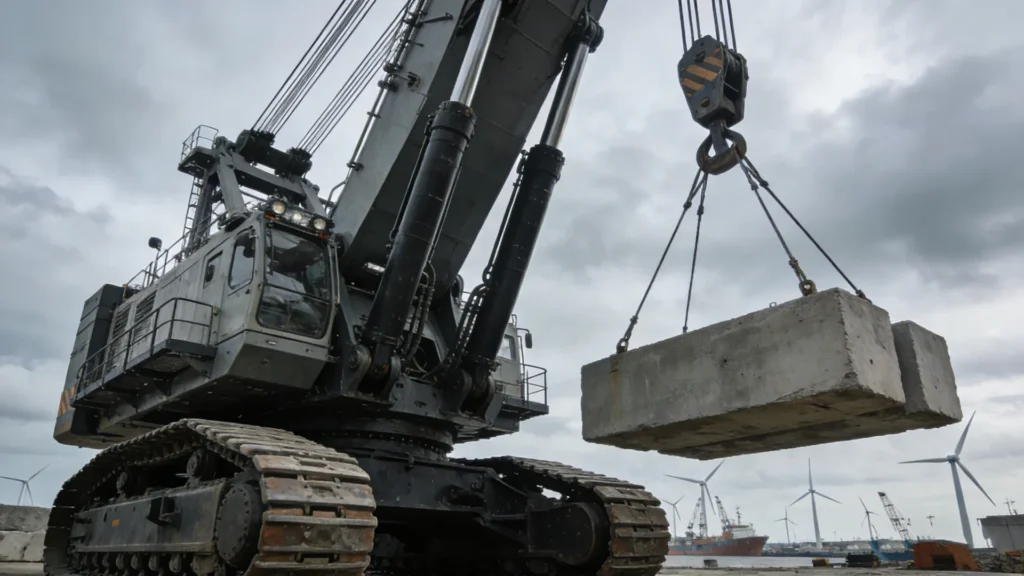
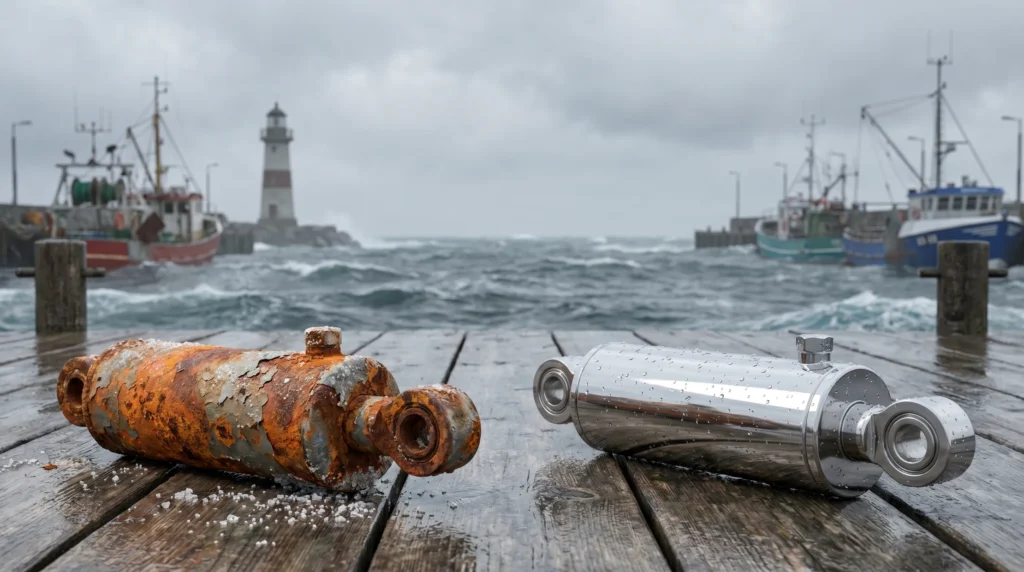
Fire truck hydraulic cylinders convert hydraulic pressure into controlled mechanical movement for aerial ladders, outriggers, rescue platforms, stabilizers, equipment compartments, and rescue tools. Because emergency vehicles operate under extreme conditions, these cylinders require high reliability, corrosion resistance, leak-free sealing, and long service life.
-
ISO Certified Manufacturing
-
OEM & Custom Design
-
Pressure Tested
-
Fast Prototype
-
Global Export
Table of Contents
-
What Is a Fire Truck Hydraulic Cylinder?
-
How Fire Truck Hydraulic Cylinders Work
-
Types of Hydraulic Cylinders Used on Fire Trucks
-
Common Applications
-
Key Design Requirements
-
Materials & Corrosion Protection
-
Hydraulic Cylinder Specifications
-
Common Problems & Troubleshooting
-
Maintenance Guide
-
How to Choose the Right Fire Truck Cylinder
-
OEM Manufacturing Process
-
Why Choose Toleng
-
FAQ
1. What Is a Fire Truck Hydraulic Cylinder?
A fire truck hydraulic cylinder is a precision-engineered actuator that converts hydraulic fluid pressure into linear mechanical force and motion. These cylinders are the muscle behind every moving component on a modern fire apparatus.
Primary functions include:
-
Lifting aerial ladders and platforms
-
Extending ladder sections
-
Stabilizing the vehicle with outriggers
-
Positioning rescue platforms
-
Operating hose reels and water cannons
-
Opening and closing equipment compartments
-
Powering hydraulic rescue tools
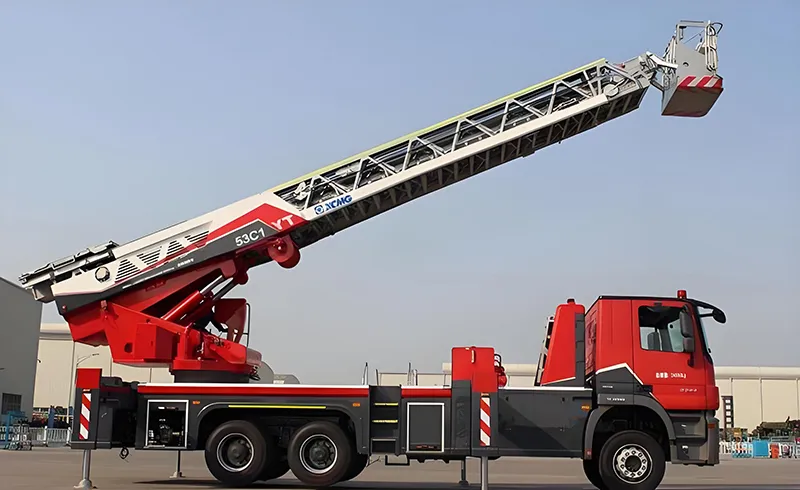
Key applications:
| Application | Cylinder Role |
|---|---|
| Aerial Ladder | Lift and extend the ladder assembly |
| Rescue Platform | Raise, lower, and position the platform |
| Outriggers | Stabilize the vehicle during aerial operations |
| Hose Reel | Extend and retract hose storage |
| Water Cannon | Position and aim the monitor |
| Compartment Doors | Open and close equipment storage |
| Rescue Tools | Power cutters, spreaders, and rams |
2. How Do Fire Truck Hydraulic Cylinders Work?
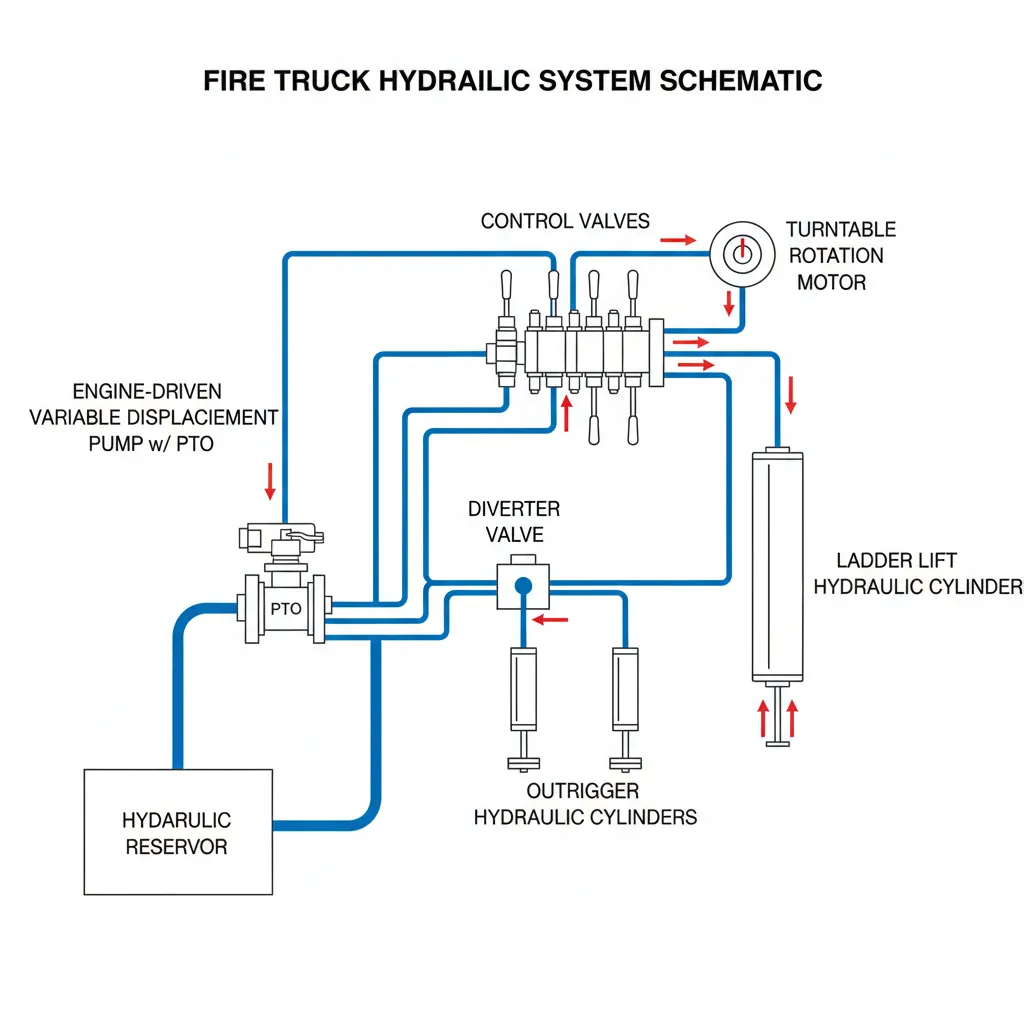
Fire truck hydraulic systems operate on a fundamental principle: Pascal’s Law – pressure applied to a confined fluid is transmitted equally throughout the fluid.
Hydraulic System Flow
Hydraulic Pump → Control Valves → Hydraulic Cylinder → Mechanical Motion → Firefighting Equipment
The Process:
-
Hydraulic Pump – Driven by the truck’s engine or PTO (power take-off), the pump draws hydraulic fluid from the reservoir and pressurizes it.
-
Control Valves – The operator directs pressurized fluid to specific cylinders using manual or electronic valve controls.
-
Hydraulic Cylinder – Pressurized fluid enters the cylinder, acting on the piston surface. This force generates linear movement that is harnessed to perform specific tasks.
-
Mechanical Motion – The piston rod extends or retracts, moving the attached firefighting equipment.
-
Firefighting Equipment – Ladders rise, outriggers deploy, platforms position.
Critical System Components
-
Flow Control – Regulates cylinder speed for smooth operation
-
Load Holding Valve – Prevents accidental lowering if pressure is lost
-
Safety Lock – Mechanically locks cylinders in position during emergency operations
-
Velocity Fuse – Shuts off flow if a hose ruptures, preventing uncontrolled descent
3. Types of Hydraulic Cylinders Used on Fire Trucks
Fire trucks utilize various cylinder types, each designed for specific applications and performance requirements.
| Cylinder Type | Application | Key Feature |
|---|---|---|
| Welded Cylinder | Ladder lift, stabilizers | Compact design, high pressure rating, no leak paths |
| Telescopic Cylinder | Ladder extension, outriggers | Long stroke in a compact retracted length |
| Double-Acting Cylinder | Stabilizers, platform positioning | Bidirectional force – extends and retracts under power |
| Single-Acting Cylinder | Hatch doors, light compartments | Simple construction, extends under pressure, retracts by gravity or spring |
| Locking Cylinder | Rescue platform, aerial devices | Integrated mechanical safety lock prevents unintended movement |
| Compact Cylinder | Equipment compartments, tight spaces | Small installation footprint |
Welded Cylinders
High-pressure welded hydraulic cylinders use a welded construction method that provides enhanced strength and durability. Advantages include:
-
Higher pressure ratings than tie-rod designs
-
Space-saving compact design
-
Reduced moving parts for lower maintenance
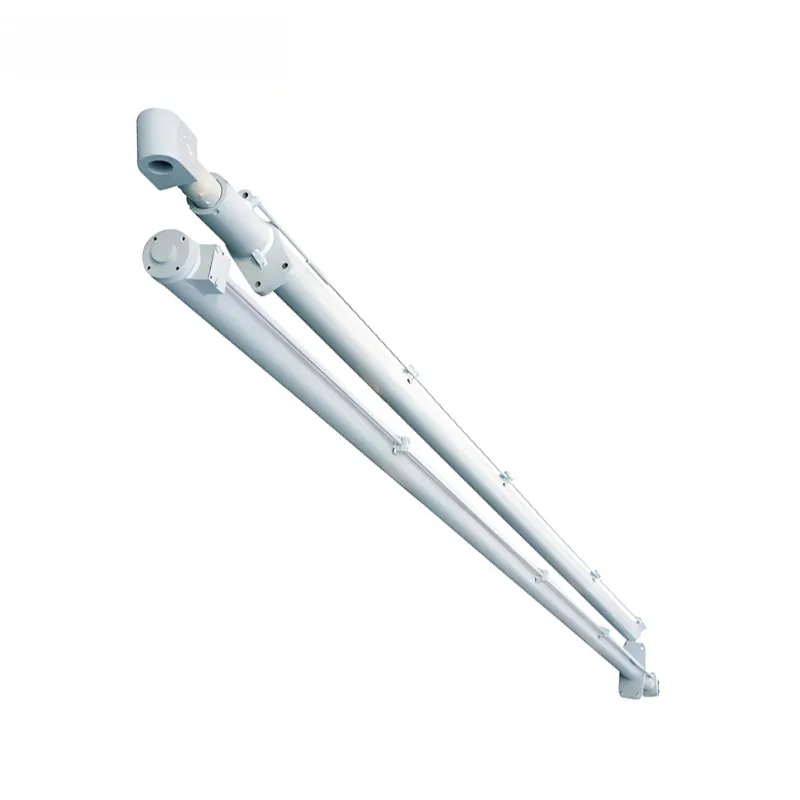
Telescopic Cylinders
Telescopic cylinders feature multiple nested stages that extend sequentially, providing exceptionally long stroke lengths from a compact retracted package. These are ideal for ladder extensions and outrigger deployments where space is limited. Common configurations include single-acting, double-acting, and multistage telescopic cylinders.
4. Common Fire Truck Applications
Ladder Lift Cylinder
Function: Raises and lowers the entire aerial ladder assembly from its stowed position.
Key Features:
-
High lifting capacity to support ladder weight plus firefighter and equipment loads
-
Smooth, controlled motion for operator safety
-
Load-holding valves to prevent sudden descent
Typical Working Pressure: 16–25 MPa (2,300–3,600 psi)
Ladder Extension Cylinder
Function: Extends and retracts individual ladder sections to achieve required reach height.
Key Features:
-
Long stroke (often telescopic design)
-
Extremely smooth movement to prevent ladder vibration
-
Precise positioning capability

Outrigger Cylinder
Function: Deploys stabilizer legs to lift the truck chassis off its tires, providing a rigid, level foundation for aerial operations.
Critical Importance: Before a single ladder section can be elevated, the fire truck must deploy its stabilization system. Outrigger cylinders lift the entire chassis of a thirty-ton fire engine off its pneumatic tires, transferring the immense weight of the vehicle and the dynamic forces of the aerial ladder directly to the ground.
Key Features:
-
Massive load capacity (supports 30+ ton vehicles)
-
Precise leveling capability on uneven terrain
-
Integrated safety locks to prevent unintended retraction
-
Corrosion-resistant construction for harsh environments
Operating Environment: Fire trucks must frequently set up on steep hills, uneven curbs, rain-slicked asphalt, or debris-covered streets.
Rescue Platform Cylinder
Function: Raises, lowers, and positions the rescue platform at the end of the aerial device.
Key Features:
-
Precise positioning for safe personnel access
-
High stability to prevent platform sway
-
Redundant safety systems
Water Cannon Positioning Cylinder
Function: Aims and adjusts the water monitor or foam cannon.
Key Features:
-
Remote control operation
-
High precision for accurate water stream placement
-
Smooth, responsive movement
Equipment Compartment Cylinder
Function: Opens and closes storage compartment doors.
Key Features:
-
Compact design for limited space
-
Maintenance-free operation
-
Reliable in all weather conditions
5. Key Design Requirements
Fire truck hydraulic cylinders must meet exceptionally demanding design requirements due to the critical nature of emergency operations.
High Reliability
Emergency vehicles must operate 24/7/365. Cylinders cannot fail during a life-saving operation. Every component must be engineered for maximum reliability.
Corrosion Resistance
Fire trucks operate in brutal environments:
-
Rain, snow, and ice
-
Road salt and deicing chemicals
-
Firefighting foam and AFFF (aqueous film-forming foam)
-
Chemical agents
-
High humidity and temperature extremes
Leak-Free Sealing
Hydraulic leaks are unacceptable on fire apparatus:
-
Long-life seals from premium suppliers (Hallite, Parker, NOK)
-
High-pressure sealing capability
-
Resistance to temperature extremes (-40°C to 120°C)
Smooth Motion
Cylinders must operate without:
-
Vibration that could destabilize the ladder
-
Stick-slip motion that could startle operators
-
Jerky movements that could endanger firefighters
Safety Locking
Every cylinder that supports a load must incorporate safety features:
-
Load-holding valves
-
Mechanical locking mechanisms
-
Velocity fuses to prevent uncontrolled descent
Compact Installation
Fire trucks have extremely limited space. Cylinders must deliver maximum performance in minimum package size.
Long Service Life
Fire truck cylinders must withstand:
-
100,000+ cycles
-
Years of service with proper maintenance
-
Emergency operation at maximum capacity
6. Materials & Corrosion Protection
Component Materials
| Component | Typical Material | Properties |
|---|---|---|
| Cylinder Tube | ST52 / E355 seamless steel | High strength, weldable, wear-resistant |
| Piston Rod | Induction Hardened Chrome Steel | Surface hardness 60+ HRC, wear resistance |
| Piston | Alloy Steel | Strength, dimensional stability |
| Gland / Head | High Strength Steel | Durability, thread strength |
| Seals | Hallite / Parker / NOK | Leak resistance, temperature tolerance |
| Wear Ring | PTFE / Bronze-filled | Low friction, wear resistance |
Surface Protection Options
Chrome Plating – Standard hard chrome on piston rods provides excellent wear resistance and corrosion protection.
Nickel Plating – Electroless nickel offers superior corrosion resistance in salt and chemical environments.
Stainless Steel – Full stainless steel construction for extreme corrosion resistance (piston rods, tubes, all components).
Marine Coating – Specialized paint and coating systems for coastal and marine environments.
Corrosion Testing Standards
NFPA and military standards require rigorous corrosion testing:
-
ISO 9227 / ASTM G85 – Neutral Salt Spray Test: Minimum 96 hours, base material corrosion prohibited
-
Ni/Cr 60/40 – Nickel/chrome plating systems must meet manufacturer-approved test procedures
Burst Pressure Requirements
Cylinders must be designed for a bursting pressure of not less than 4 times the maximum allowable working pressure.
7. Hydraulic Cylinder Specifications
Typical Specification Ranges
| Parameter | Range |
|---|---|
| Working Pressure | 16 MPa, 21 MPa, 25 MPa, 31.5 MPa (2,300–4,500 psi) |
| Stroke Length | 200 mm – 6,000 mm |
| Bore Diameter | 40 mm – 250 mm |
| Rod Diameter | 20 mm – 180 mm |
| Temperature Range | -40°C to +120°C |
Fire and Rescue Cylinder Example
Typical fire and rescue hydraulic cylinder specifications:
| Specification | Typical Value |
|---|---|
| Bore | 38.1 mm (1.50 in) |
| Stroke | 200–460 mm |
| Max Working Pressure | 344.7 bar (5,000 psi) |
| Ports | 1/8-27 NPTF or #4 SAE ORB |
| Acting Type | Single or Double |
Customization Options
OEM customers can specify:
-
Custom bore diameters (60mm–450mm)
-
Custom rod diameters (40mm–350mm)
-
Custom stroke lengths (80mm–400mm and beyond)
-
Custom mounting configurations
-
Special seal materials for specific fluids
-
Enhanced corrosion protection systems
8. Common Problems & Troubleshooting
| Problem | Cause | Solution |
|---|---|---|
| Oil Leak | Seal damage or wear | Replace seals; inspect rod surface |
| Slow / Erratic Movement | Air in system | Purge system by cycling cylinder full travel several times |
| Cylinder Drift / Retracts Under Load | Defective check valve or leaking piston seals | Replace check valve; replace piston seals |
| Corrosion on Rod | Poor coating or plating damage | Replace rod; upgrade to better corrosion protection |
| Bent Rod | Overload or side loading | Replace rod; inspect mounting alignment |
| Pump Noise / Cavitation | Low oil level or plugged filter | Check oil level; replace return line filter |
| Loss of Power | Internal piston seal failure | Replace piston seals |
Troubleshooting Procedure
-
Check hydraulic oil level – Fill system to proper level
-
Check for air in system – Purge by extending and retracting cylinder to full travel limits several times
-
Check for defective check valves – Replace as needed
-
Check for leaking piston seals – Refer to maintenance for seal replacement
-
Check for plugged return line filter – Replace filter
Critical Note: Using the wrong hydraulic fluid can corrode seals and cause catastrophic failure. One documented case involved incorrect fluid that corroded seals on multiple cylinders, with estimated repair costs exceeding $70,000 and the ladder truck out of service for an extended period.
9. Maintenance Guide
Daily / Pre-Use Checks
-
Visual inspection for fluid leaks around cylinders, hoses, and fittings
-
Check hydraulic reservoir oil level
-
Inspect piston rods for scoring, pitting, or corrosion
-
Functional test of stabilizers, outriggers, and basic aerial movement
Weekly Checks
-
Detailed hydraulic system review – hoses, cylinders, reservoirs
-
Check hoses and fittings for wear or corrosion
-
Test pressure relief valves
-
Check fluid quality (contamination degrades performance)
-
Verification of safety interlocks and load-limiting systems
Monthly Checks
-
Structural integrity assessment – ladder rails, welds
-
Inspect all pivot points and lubricate grease fittings
-
Complete inspection of ladder components, cables, and adjustments
Annual / Professional Inspection
-
Load testing (125% of rated capacity)
-
Non-destructive testing (magnetic particle, ultrasonic)
-
Certification by qualified technicians
-
Full inspection of hydraulic system – both pressure and operation
-
NFPA 1911 compliant inspection for aerial fire apparatus
Best Practices
-
Use digital checklists – Track history and flag recurring issues
-
Document everything – Maintain logs with photos, test results, and repair records
-
Train personnel – Ensure technicians understand NFPA 1911 and OEM guidelines
-
Address critical faults immediately – Ground the apparatus if safety is compromised
10. How to Choose a Fire Truck Hydraulic Cylinder
Buyer Selection Checklist
| Step | Consideration |
|---|---|
| 1. Application | What equipment will the cylinder operate? (ladder, outrigger, platform, etc.) |
| 2. Load Requirements | What is the maximum load the cylinder must support? |
| 3. Stroke Length | How far must the cylinder extend? |
| 4. Working Pressure | What is your hydraulic system pressure? |
| 5. Mounting Configuration | How will the cylinder mount to the equipment? |
| 6. Seal Material | What fluids and temperatures will the cylinder encounter? |
| 7. Corrosion Protection | What environment will the cylinder operate in? |
| 8. OEM Manufacturer | Does the manufacturer have fire truck experience and certifications? |
Questions to Ask Your Supplier
-
Do you have experience manufacturing cylinders for fire apparatus?
-
Are your cylinders pressure-tested to 4× working pressure?
-
What corrosion protection options do you offer?
-
What seal brands do you use?
-
Can you provide custom designs for OEM applications?
-
What certifications do you hold? (ISO 9001, ISO 14001)
-
What is your typical lead time?
-
Do you offer engineering support for custom designs?
11. How Toleng Manufactures Fire Truck Hydraulic Cylinders
Manufacturing Process
Raw Material Inspection
        ↓
    CNC Machining
        ↓
    Tube Honing
        ↓
  Rod Hardening (Induction)
        ↓
   Chrome/Nickel Plating
        ↓
      Grinding
        ↓
      Welding
        ↓
      Assembly
        ↓
   Pressure Testing (100%)
        ↓
      Painting
        ↓
      Packing
Quality Control
-
Raw Material Inspection – All incoming materials verified to specifications
-
In-Process Inspection – Dimensional checks at every manufacturing stage
-
100% Pressure Testing – Every cylinder tested to ensure leak-free operation
-
Final Inspection – Comprehensive quality check before shipment
12. Why Choose Toleng
-
✅ ISO 9001 – Quality management system certified
-
✅ ISO 14001 – Environmental management system certified
-
✅ OEM Manufacturer – Specializing in custom fire truck cylinders
-
✅ 20+ Years Experience – Proven track record in hydraulic cylinder manufacturing
-
✅ CNC Production – Precision machining for consistent quality
-
✅ 100% Pressure Testing – Every cylinder verified before shipment
-
✅ Fast Delivery – Efficient production and logistics
-
✅ Engineering Support – Design optimization for your specific application
-
✅ Worldwide Export – Serving fire apparatus manufacturers globally
13. FAQ
What hydraulic cylinders are used on fire trucks?
Fire trucks use multiple cylinder types including welded cylinders for ladder lifts, telescopic cylinders for ladder extensions, double-acting cylinders for stabilizers and outriggers, single-acting cylinders for compartments, and locking cylinders with integrated safety mechanisms for rescue platforms.
What pressure do fire truck hydraulic cylinders operate at?
Fire truck hydraulic cylinders typically operate at working pressures of 16–31.5 MPa (2,300–4,500 psi), with burst pressure requirements of at least 4 times the maximum allowable working pressure.
What is the difference between ladder cylinders and outrigger cylinders?
Ladder cylinders are designed for lifting and extending the aerial ladder assembly with smooth, controlled motion and precise positioning. Outrigger cylinders are massive actuators that lift the entire 30+ ton vehicle chassis off its tires to provide a rigid, level foundation for aerial operations.
How long do fire truck hydraulic cylinders last?
With proper maintenance, fire truck hydraulic cylinders can last 10–20 years or more. They are designed for 100,000+ operating cycles under normal conditions. Regular inspection and maintenance significantly extend service life.
How often should hydraulic cylinders be inspected?
Daily visual inspections for leaks and damage; weekly detailed hydraulic system reviews; monthly structural and component inspections; and annual professional certification inspections per NFPA 1911 standards.
Can fire truck hydraulic cylinders be rebuilt?
Yes, hydraulic cylinders can be rebuilt by replacing seals, wear rings, and damaged components. However, cylinders with bent rods, severe corrosion, or tube damage may require full replacement. Rebuilding should only be performed by qualified technicians.
What seals are best for fire truck applications?
Premium seal brands such as Hallite, Parker, and NOK are recommended for fire truck applications. Seals must resist extreme temperatures (-40°C to 120°C), high pressures, and exposure to hydraulic fluids, firefighting foam, and chemicals.
Can hydraulic cylinders be customized for OEM fire trucks?
Yes, hydraulic cylinders can be fully customized for OEM fire truck applications including custom bore diameters (60mm–450mm), rod diameters (40mm–350mm), stroke lengths (80mm–400mm and beyond), mounting configurations, seal materials, and corrosion protection systems.
What standards should fire truck hydraulic cylinders meet?
Fire truck hydraulic cylinders should meet NFPA 1901 (Standard for Automotive Fire Apparatus), NFPA 1911 for inspection and testing, and applicable ISO standards for corrosion testing (ISO 9227) and welding (ISO 15614-1).
How do I choose a fire truck hydraulic cylinder manufacturer?
Choose a manufacturer with ISO 9001 and ISO 14001 certifications, proven experience in fire apparatus applications, 100% pressure testing, engineering support for custom designs, and a track record of global export to fire truck OEMs. Review their quality control processes and material certifications.
Fire Truck Hydraulic System Overview
A complete fire truck hydraulic system consists of:
-
Hydraulic Pump – Driven by the engine or PTO, pressurizes the fluid
-
Control Valves – Direct fluid flow to specific cylinders
-
Hydraulic Cylinders – Convert fluid pressure to mechanical motion
-
Hydraulic Reservoir – Stores fluid and allows air to escape
-
Hoses and Fittings – Transport fluid between components
-
Filters – Remove contaminants from the fluid
-
Coolers – Maintain optimal fluid temperature
All components work together to provide reliable, responsive power for emergency operations.
Safety Standards & Certifications
Toleng hydraulic cylinders for fire trucks comply with:
-
ISO 9001 – Quality Management System
-
ISO 14001 – Environmental Management System
-
NFPA 1901 – Standard for Automotive Fire Apparatus
-
NFPA 1911 – Standard for Inspection, Maintenance, Testing, and Retirement of In-Service Automotive Fire Apparatus
-
ASME BPVC Section VIII – Welding and pressure vessel requirements (as applicable)
-
ISO 15614-1 – Welding procedure specification
-
ISO 9227 / ASTM G85 – Corrosion testing standards
-
46 CFR § 58.30-30 – Fluid power cylinder requirements (burst pressure 4× working pressure, corrosion-resistant rods)
Custom Fire Truck Hydraulic Cylinder Design
Toleng offers complete customization for OEM fire truck manufacturers:
Customizable Parameters:
-
Bore diameter: 40mm–450mm
-
Rod diameter: 20mm–350mm
-
Stroke length: 100mm–6,000mm
-
Working pressure: Up to 35 MPa (5,000 psi)
-
Mounting configurations: Flange, clevis, trunnion, custom
-
Seal materials: Customized for specific hydraulic fluids
-
Corrosion protection: Chrome, nickel, stainless steel, marine coatings
-
Safety features: Load-holding valves, mechanical locks, velocity fuses
Case Study: OEM Fire Truck Ladder Lift Cylinder Project
Client: International fire apparatus manufacturer
Challenge: Develop a high-reliability ladder lift cylinder for a new 100-foot aerial platform truck. Requirements included 25 MPa working pressure, 1,200 mm stroke, compact installation envelope, and 100,000-cycle service life.
Solution: Toleng engineered a custom welded hydraulic cylinder with:
-
ST52 steel tube with precision-honed bore
-
Induction-hardened chrome-plated piston rod (60+ HRC)
-
Parker polyurethane seals for extreme temperature performance
-
Integrated load-holding valve for safety
-
100% pressure tested to 4× working pressure
-
Marine-grade corrosion protection system
Results: Cylinders passed all performance tests, achieved 120,000 cycles without seal replacement, and received OEM approval for production. Delivery: 6 weeks from design approval.